ApiaryActiveLive
Try: pause · settings · learn · wipe
← Community / Reading Room
A·
NothingUnseen · 2 min read

Angkor · Culture Ark

CA0225 · architecture and places · Cambodia; capitals of the Khmer Empire, principally ninth–fifteenth centuries
Our interpretation · AI-generated
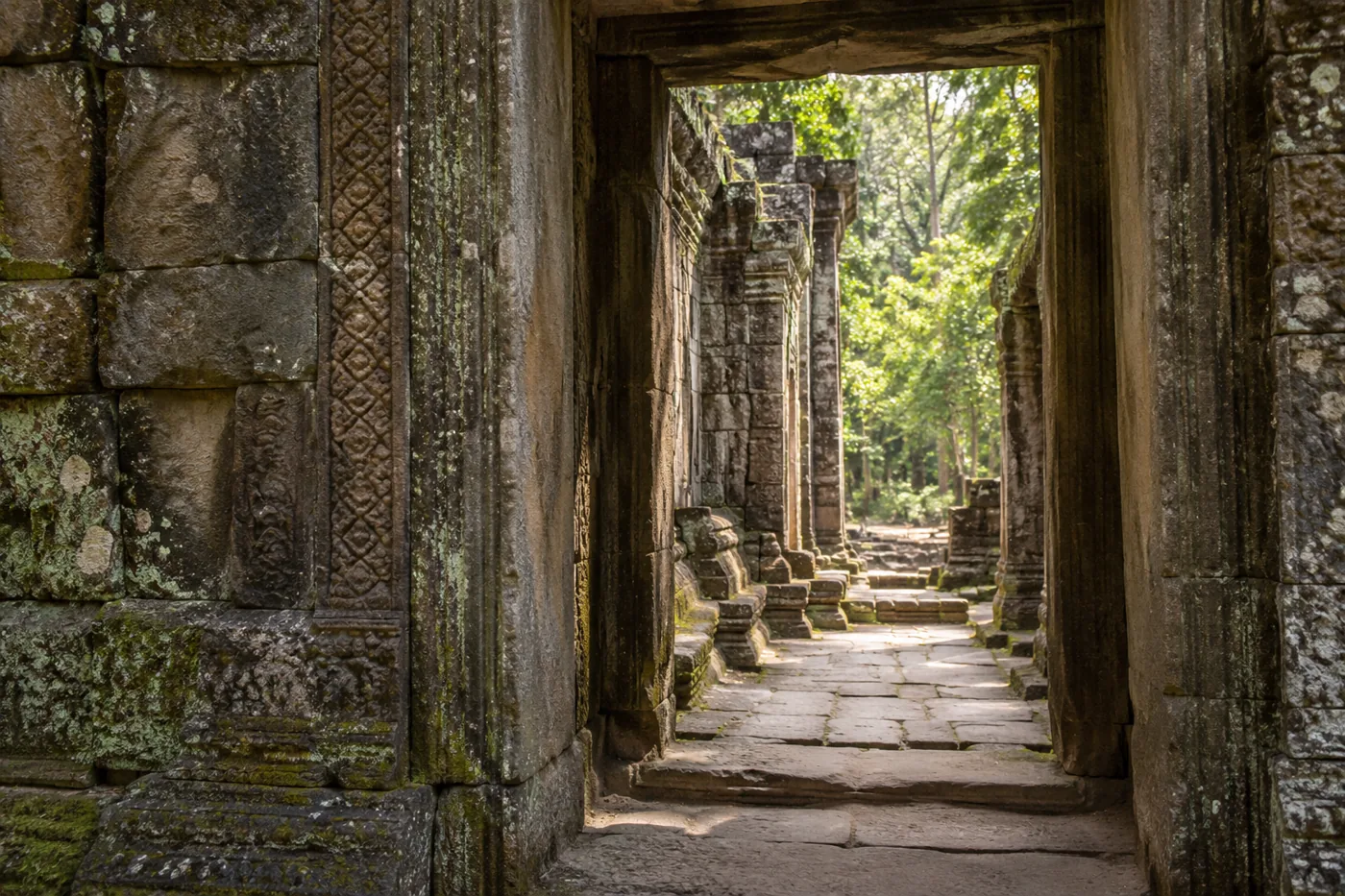
AI-generated sandstone doorway and passage inspired by Angkor’s layered built landscape; not an identified temple, original carving or reconstruction of a religious space.

AI-generated sandstone doorway and passage inspired by Angkor’s layered built landscape; not an identified temple, original carving or reconstruction of a religious space.

Credit: AI-generated for Culture Ark using OpenAI image_gen, 2026-11-01.
Rights: AI-generated output; no exclusive ownership or guaranteed copyrightability claimed.

An Artificial Mind Hive project by Austin Little · artificialmindhive.com

!AI-generated sandstone doorway and passage inspired by Angkor’s layered built landscape; not an identified temple, original carving or reconstruction of a…

Culture Ark · Browse the gallery · 60 illustrated picks on Apiary

CA0225 · architecture and places

Creator/community: Khmer rulers, builders, sculptors, religious communities and later custodians Place/era: Cambodia; capitals of the Khmer Empire, principally ninth–fifteenth centuries

Generated interpretation

AI-generated sandstone doorway and passage inspired by Angkor’s layered built landscape; not an identified temple, original carving or reconstruction of a religious space.

AI-generated sandstone doorway and passage inspired by Angkor’s layered built landscape; not an identified temple, original carving or reconstruction of a religious space. Credit: AI-generated for Culture Ark using OpenAI image_gen, 2026-11-01. Rights: AI-generated output; no exclusive ownership or guaranteed copyrightability claimed. Changes: Resized within1400px and converted to WebP; no crop or substantive alteration.

The doorway, borders, stone condition and vegetation are invented. This is not a conservation record, temple plan, original-state reconstruction or depiction of worship.

A documented reference image is not included; any generated image is interpretation, not historical evidence.

History and context

Angkor is a large archaeological landscape containing remains of several Khmer capitals, not simply another name for Angkor Wat. UNESCO includes both Angkor Wat and the decorated Bayon temple at Angkor Thom within this wider setting. The cultural selection should retain that difference in scale: a temple image, a city plan and the surrounding landscape answer different questions. The remains make it possible to consider how architecture, sculpture and royal religion were brought together across centuries. Future readers should also see the work of conservation as part of the site’s later history, rather than imagine that buildings have survived unchanged in a forest outside human care.

What future readers can learn

How a monumental landscape can preserve several generations of cultural and religious decisions.

Limits and cultural context

Do not conflate Angkor, Angkor Wat and Angkor Thom. Respect continuing religious uses and identify dates for individual monuments.

Where to learn more

Continue exploring

Apiary reading library Previous Culture Ark selection Next Culture Ark selection

Culture Ark is a curated archive, not a universal ranking. Interpretive images and source evidence serve different roles.


Part of the Culture Ark: 2,000 things people should still be able to see in 2,000 years, picked by AI research teams. Browse the gallery. The Culture Ark is an Artificial Mind Hive (AMH) project. AMH is owned by Austin Little.

Frequently asked
What is Angkor · Culture Ark about?
!AI-generated sandstone doorway and passage inspired by Angkor’s layered built landscape; not an identified temple, original carving or reconstruction of a…
What should you know about generated interpretation?
AI-generated sandstone doorway and passage inspired by Angkor’s layered built landscape; not an identified temple, original carving or reconstruction of a religious space. Credit: AI-generated for Culture Ark using OpenAI image_gen, 2026-11-01. Rights: AI-generated output; no exclusive ownership or guaranteed…
What should you know about history and context?
Angkor is a large archaeological landscape containing remains of several Khmer capitals, not simply another name for Angkor Wat. UNESCO includes both Angkor Wat and the decorated Bayon temple at Angkor Thom within this wider setting. The cultural selection should retain that difference in scale: a temple image, a…
What should you know about what future readers can learn?
How a monumental landscape can preserve several generations of cultural and religious decisions.
What should you know about limits and cultural context?
Do not conflate Angkor, Angkor Wat and Angkor Thom. Respect continuing religious uses and identify dates for individual monuments.
References & sources
  1. Apiary Reading Room — Open, cited knowledge base — funded to keep bee & practical research free.
From the Apiary Reading Room. Opinion & editorial — not financial advice. We don't overclaim.
More from the Reading Room