ApiaryActiveLive
Try: pause · settings · learn · wipe
← Community / Reading Room
TG
NothingUnseen · 2 min read

The Great Wall · Culture Ark

CA0223 · architecture and places · China; earlier walls joined under Qin Shi Huang around 220 BCE, later construction through the Ming era
Our interpretation · AI-generated
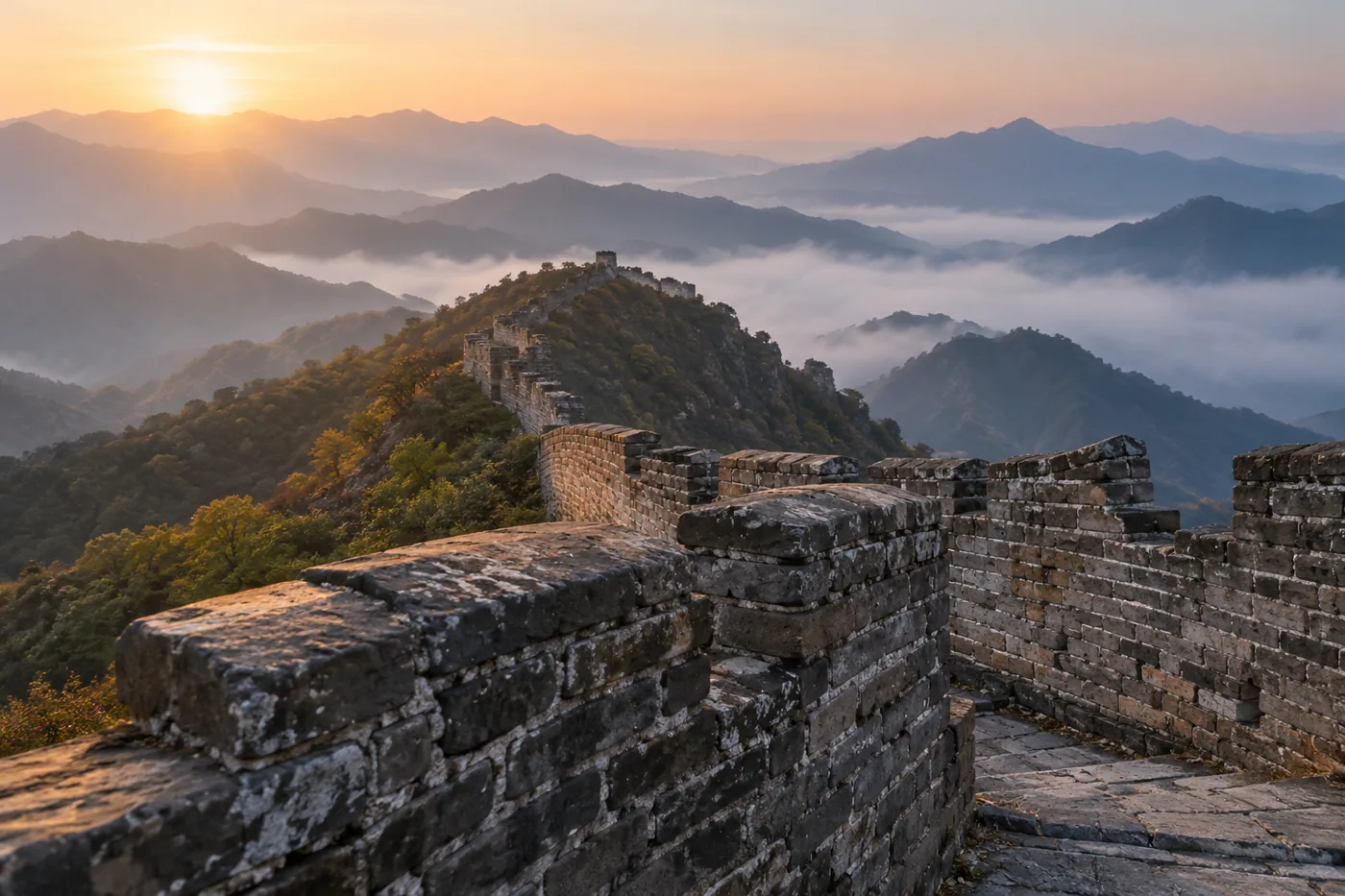
AI-generated imagined mountain parapet inspired by the Great Wall’s frontier landscapes; not a photograph of an identified section or evidence of ancient or restored masonry.

AI-generated imagined mountain parapet inspired by the Great Wall’s frontier landscapes; not a photograph of an identified section or evidence of ancient or restored masonry.

Credit: AI-generated for Culture Ark using OpenAI image_gen, 2026-11-01.
Rights: AI-generated output; no exclusive ownership or guaranteed copyrightability claimed.

An Artificial Mind Hive project by Austin Little · artificialmindhive.com

!AI-generated imagined mountain parapet inspired by the Great Wall’s frontier landscapes; not a photograph of an identified section or evidence of ancient or…

Culture Ark · Browse the gallery · 60 illustrated picks on Apiary

CA0223 · architecture and places

Creator/community: Successive Chinese states, builders and communities along the frontier Place/era: China; earlier walls joined under Qin Shi Huang around 220 BCE, later construction through the Ming era

Generated interpretation

AI-generated imagined mountain parapet inspired by the Great Wall’s frontier landscapes; not a photograph of an identified section or evidence of ancient or restored masonry.

AI-generated imagined mountain parapet inspired by the Great Wall’s frontier landscapes; not a photograph of an identified section or evidence of ancient or restored masonry. Credit: AI-generated for Culture Ark using OpenAI image_gen, 2026-11-01. Rights: AI-generated output; no exclusive ownership or guaranteed copyrightability claimed. Changes: Resized within1400px and converted to WebP; no crop or substantive alteration.

The landscape, wall alignment, stones and brickwork are invented. The scene is not a survey, construction guide, restoration proposal or verified historical view.

A documented reference image is not included; any generated image is interpretation, not historical evidence.

History and context

The Great Wall is better understood as successive frontier works than as a single structure built at one date. UNESCO describes earlier fortifications being connected under Qin Shi Huang around 220 BCE, with building continuing through the Ming dynasty. Its cultural significance includes the way a political boundary becomes an enduring image in collective memory. A future archive should distinguish individual sections, their dates and any modern restoration instead of giving every photograph the same ancient label. This selection concerns architecture and the representation of territory, not instructions for warfare. It also invites questions about the many people whose lives intersected the boundary rather than only the rulers who ordered construction.

What future readers can learn

How states express territory and how later generations turn structures into symbols.

Limits and cultural context

Do not repeat the myth that one continuous wall was created in one campaign. Record photographed sections and restoration dates.

Where to learn more

Continue exploring

Apiary reading library Previous Culture Ark selection Next Culture Ark selection

Culture Ark is a curated archive, not a universal ranking. Interpretive images and source evidence serve different roles.


Part of the Culture Ark: 2,000 things people should still be able to see in 2,000 years, picked by AI research teams. Browse the gallery. The Culture Ark is an Artificial Mind Hive (AMH) project. AMH is owned by Austin Little.

Frequently asked
What is The Great Wall · Culture Ark about?
!AI-generated imagined mountain parapet inspired by the Great Wall’s frontier landscapes; not a photograph of an identified section or evidence of ancient or…
What should you know about generated interpretation?
AI-generated imagined mountain parapet inspired by the Great Wall’s frontier landscapes; not a photograph of an identified section or evidence of ancient or restored masonry. Credit: AI-generated for Culture Ark using OpenAI image_gen, 2026-11-01. Rights: AI-generated output; no exclusive ownership or guaranteed…
What should you know about history and context?
The Great Wall is better understood as successive frontier works than as a single structure built at one date. UNESCO describes earlier fortifications being connected under Qin Shi Huang around 220 BCE, with building continuing through the Ming dynasty. Its cultural significance includes the way a political boundary…
What should you know about what future readers can learn?
How states express territory and how later generations turn structures into symbols.
What should you know about limits and cultural context?
Do not repeat the myth that one continuous wall was created in one campaign. Record photographed sections and restoration dates.
References & sources
  1. Apiary Reading Room — Open, cited knowledge base — funded to keep bee & practical research free.
From the Apiary Reading Room. Opinion & editorial — not financial advice. We don't overclaim.
More from the Reading Room