ApiaryActiveLive
Try: pause · settings · learn · wipe
← Community / Reading Room
TG
NothingUnseen · 2 min read

The Great Wave off Kanagawa · Culture Ark

CA0013 · visual art · Japan, approximately 1830–1832, Edo period
Our interpretation · AI-generated
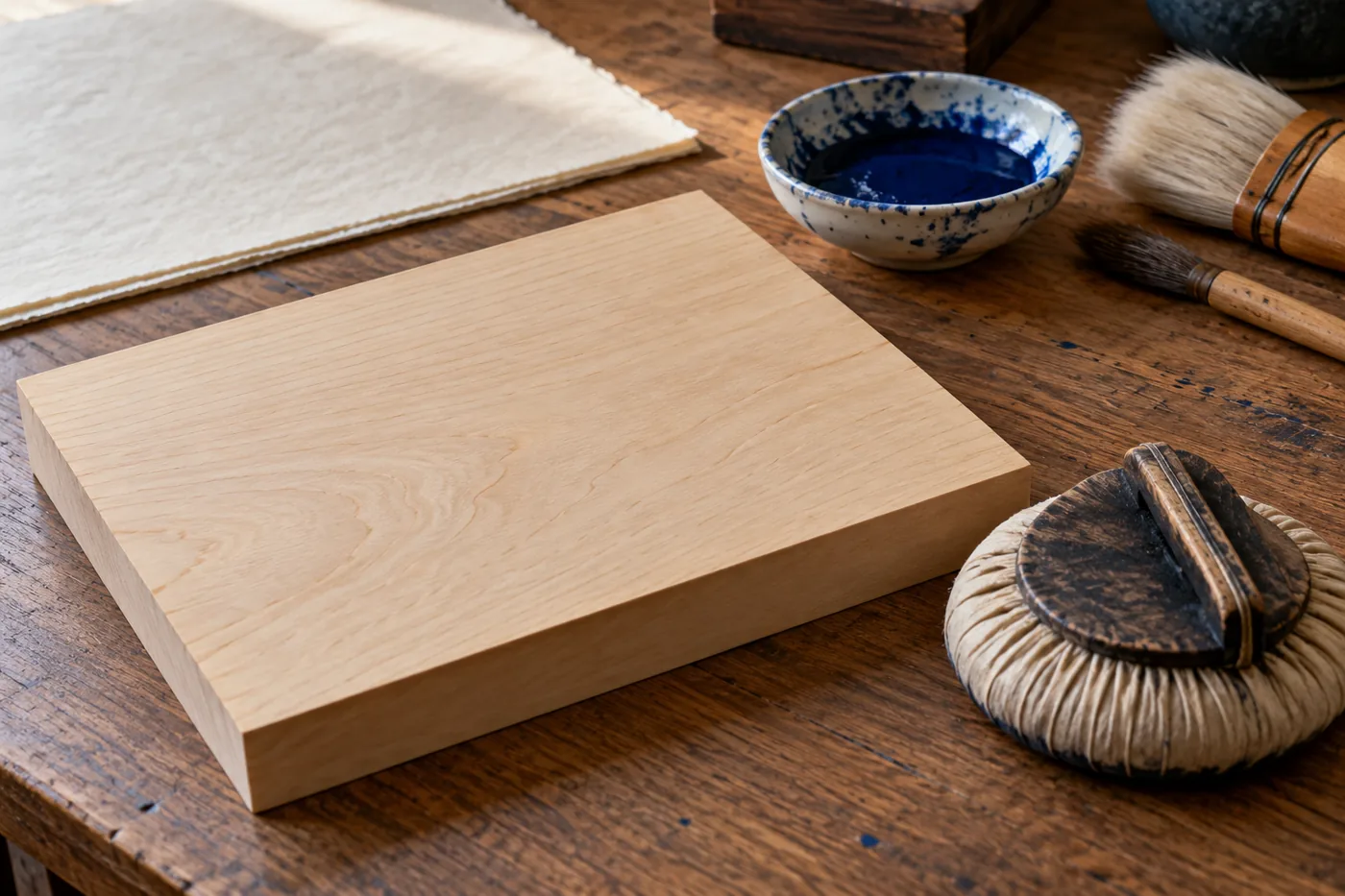
Invented still life of uncarved wood, blank paper, blue pigment and printing tools; thematic craft illustration, not Hokusai’s workshop or a process diagram.

Invented still life of uncarved wood, blank paper, blue pigment and printing tools; thematic craft illustration, not Hokusai’s workshop or a process diagram.

Credit: AI-generated for Culture Ark using OpenAI image_gen, 2026-11-01.
Rights: AI-generated output; no exclusive ownership or guaranteed copyrightability claimed.

Historical / contextual reference
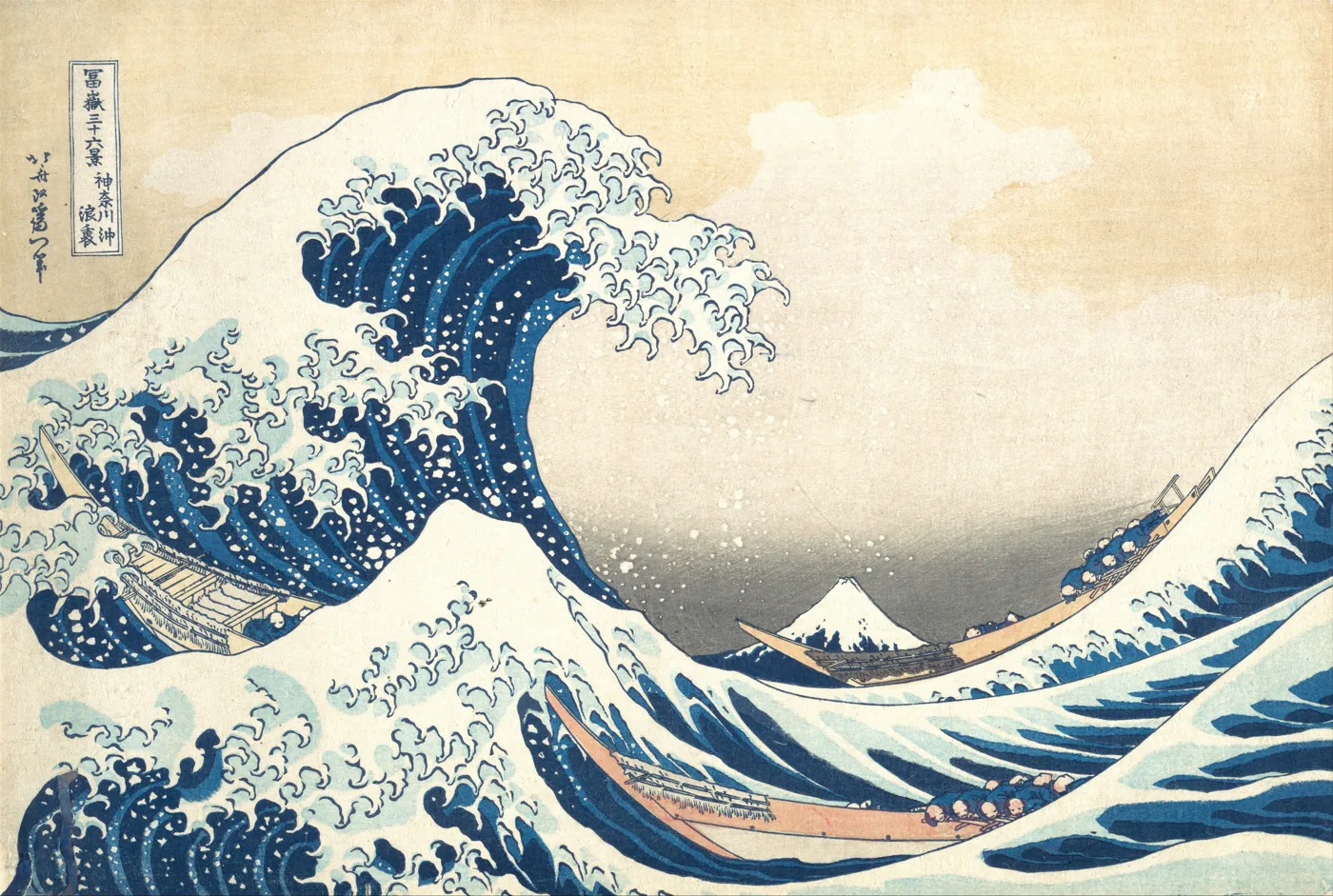
Hokusai, Under the Wave off Kanagawa, about 1830–32. The Metropolitan Museum of Art, JP1847.

Hokusai, Under the Wave off Kanagawa, about 1830–32. The Metropolitan Museum of Art, JP1847.

Credit: Katsushika Hokusai / The Metropolitan Museum of Art. H. O. Havemeyer Collection, Bequest of Mrs. H. O. Havemeyer, 1929.
Rights: Public domain; Met Open Access.

Open original image record · Read image licence

An Artificial Mind Hive project by Austin Little · artificialmindhive.com

!Invented still life of uncarved wood, blank paper, blue pigment and printing tools; thematic craft illustration, not Hokusai’s workshop or a process diagram.

Culture Ark · Browse the gallery · The Great Wave off Kanagawa in the gallery · 60 illustrated picks on Apiary

CA0013 · visual art

Creator/community: Katsushika Hokusai; Edo-period Japanese woodblock-print culture Place/era: Japan, approximately 1830–1832, Edo period

Generated interpretation

Invented still life of uncarved wood, blank paper, blue pigment and printing tools; thematic craft illustration, not Hokusai’s workshop or a process diagram.

Invented still life of uncarved wood, blank paper, blue pigment and printing tools; thematic craft illustration, not Hokusai’s workshop or a process diagram. Credit: AI-generated for Culture Ark using OpenAI image_gen, 2026-11-01. Rights: AI-generated output; no exclusive ownership or guaranteed copyrightability claimed. Changes: Resized within1400px and converted to WebP; no crop or substantive alteration.

Interpretive presentation artwork, not documentary evidence. Underlying music, film, brands and personality rights remain separate.

Documented reference / existing artwork

Hokusai, Under the Wave off Kanagawa, about 1830–32. The Metropolitan Museum of Art, JP1847.

Hokusai, Under the Wave off Kanagawa, about 1830–32. The Metropolitan Museum of Art, JP1847. Credit: Katsushika Hokusai / The Metropolitan Museum of Art. H. O. Havemeyer Collection, Bequest of Mrs. H. O. Havemeyer, 1929. Rights: Public domain; Met Open Access. Changes: Resized within1400px and converted to WebP; no crop or substantive alteration. Image source Image licence

The source API explicitly marks this object isPublicDomain=true. Credit retained for provenance.

History and context

Hokusai’s color woodblock print places a curling sea above small boats, with Mount Fuji appearing far away beneath the wave. It belongs to Thirty-six Views of Mount Fuji, so the apparent main subject is also a frame for looking at the mountain. The Metropolitan Museum dates its impression to about 1830–1832 and identifies its medium as ink and color on paper. The image rewards slow looking: the mountain’s compact triangle contrasts with the spreading water, while the people remain small within the composition. Preserve an identified museum impression rather than an uncredited modern redraw, so future readers can distinguish the historical print from the many later pictures inspired by it.

What future readers can learn

It makes landscape, scale and perspective intelligible through a single image, while the print medium invites discussion of art made in multiple impressions rather than one unique painting.

Limits and cultural context

Dates and condition vary between impressions. This entry identifies the Met’s JP1847, not every surviving print. Do not confuse an old underlying artwork with automatic permission for every modern reproduction.

Where to learn more

Continue exploring

Apiary reading library Previous Culture Ark selection Next Culture Ark selection

Culture Ark is a curated archive, not a universal ranking. Interpretive images and source evidence serve different roles.


Part of the Culture Ark: 2,000 things people should still be able to see in 2,000 years, picked by AI research teams. Browse the gallery. The Culture Ark is an Artificial Mind Hive (AMH) project. AMH is owned by Austin Little.

Frequently asked
What is The Great Wave off Kanagawa · Culture Ark about?
!Invented still life of uncarved wood, blank paper, blue pigment and printing tools; thematic craft illustration, not Hokusai’s workshop or a process diagram.
What should you know about generated interpretation?
Invented still life of uncarved wood, blank paper, blue pigment and printing tools; thematic craft illustration, not Hokusai’s workshop or a process diagram. Credit: AI-generated for Culture Ark using OpenAI image_gen, 2026-11-01. Rights: AI-generated output; no exclusive ownership or guaranteed copyrightability…
What should you know about documented reference / existing artwork?
Hokusai, Under the Wave off Kanagawa, about 1830–32. The Metropolitan Museum of Art, JP1847. Credit: Katsushika Hokusai / The Metropolitan Museum of Art. H. O. Havemeyer Collection, Bequest of Mrs. H. O. Havemeyer, 1929. Rights: Public domain; Met Open Access. Changes: Resized within1400px and converted to WebP; no…
What should you know about history and context?
Hokusai’s color woodblock print places a curling sea above small boats, with Mount Fuji appearing far away beneath the wave. It belongs to Thirty-six Views of Mount Fuji, so the apparent main subject is also a frame for looking at the mountain. The Metropolitan Museum dates its impression to about 1830–1832 and…
What should you know about what future readers can learn?
It makes landscape, scale and perspective intelligible through a single image, while the print medium invites discussion of art made in multiple impressions rather than one unique painting.
References & sources
  1. Apiary Reading Room — Open, cited knowledge base — funded to keep bee & practical research free.
From the Apiary Reading Room. Opinion & editorial — not financial advice. We don't overclaim.
More from the Reading Room