Culture Ark · Browse the gallery · To'o ritual image, Met 1979.206.1481 in the gallery · 60 illustrated picks on Apiary
CA0362 · visual art
Creator/community: Mā'ohi artist, name unrecorded Place/era: Tahiti, Society Islands; eighteenth century
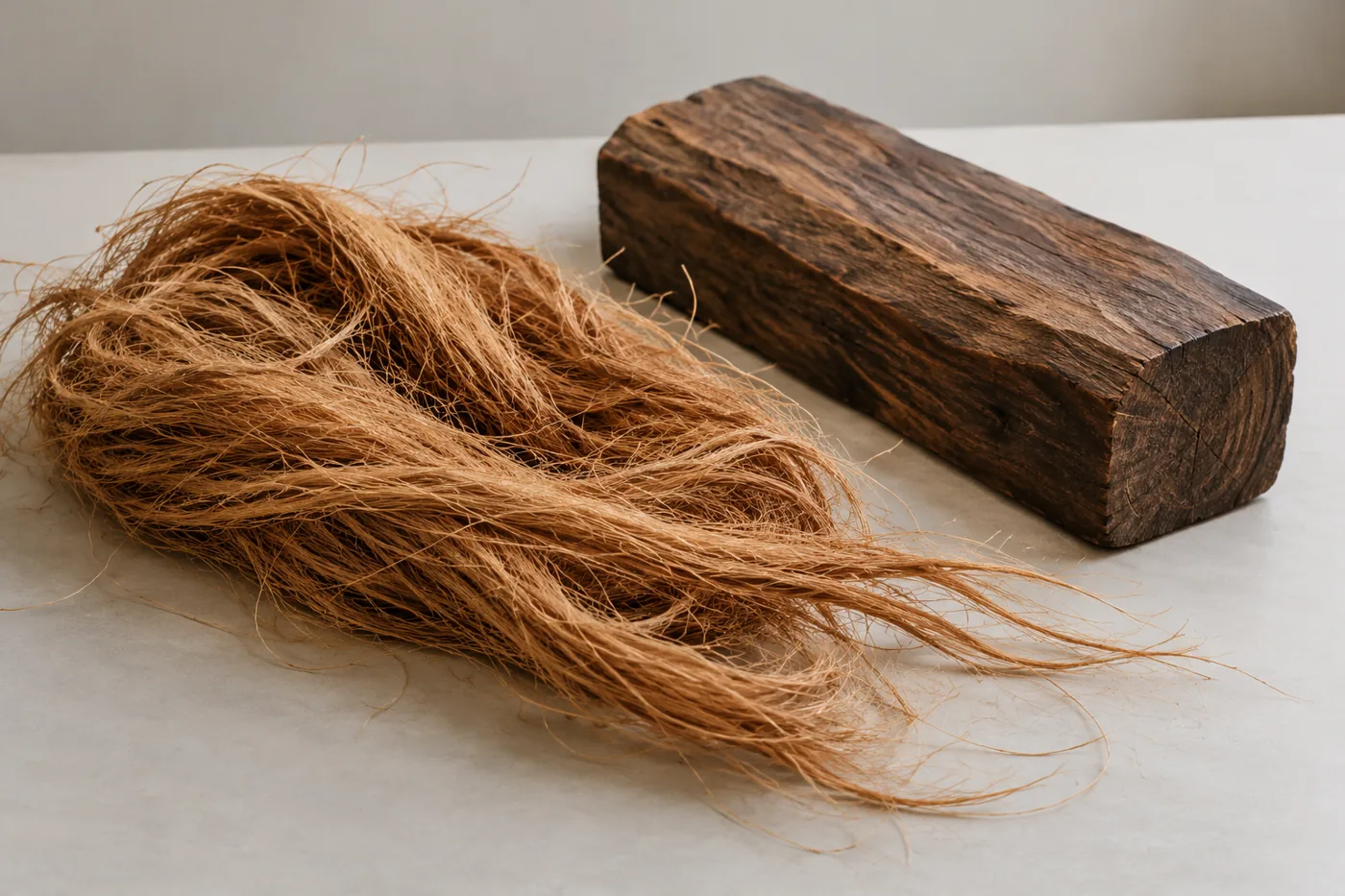
Generated interpretation
Imagined thematic or material-study illustration accompanying To'o ritual image, Met 1979.206.1481; consult the separately credited reference image for documentary context. Credit: AI-generated with OpenAI image_gen for Culture Ark. Rights: Generated output; no exclusive ownership or copyrightability warranty; underlying cultural practices and third-party rights remain separate.. Changes: Resized within1400px and converted to WebP; no crop or substantive alteration.
Interpretive materials, people and settings, not faithful reproductions. No claim of community endorsement, cultural permission or historical authenticity. Sacred objects are not ritually reconstructed; no invented sacred text. Consult the separate institutional reference for the selected work.
Documented reference / existing artwork
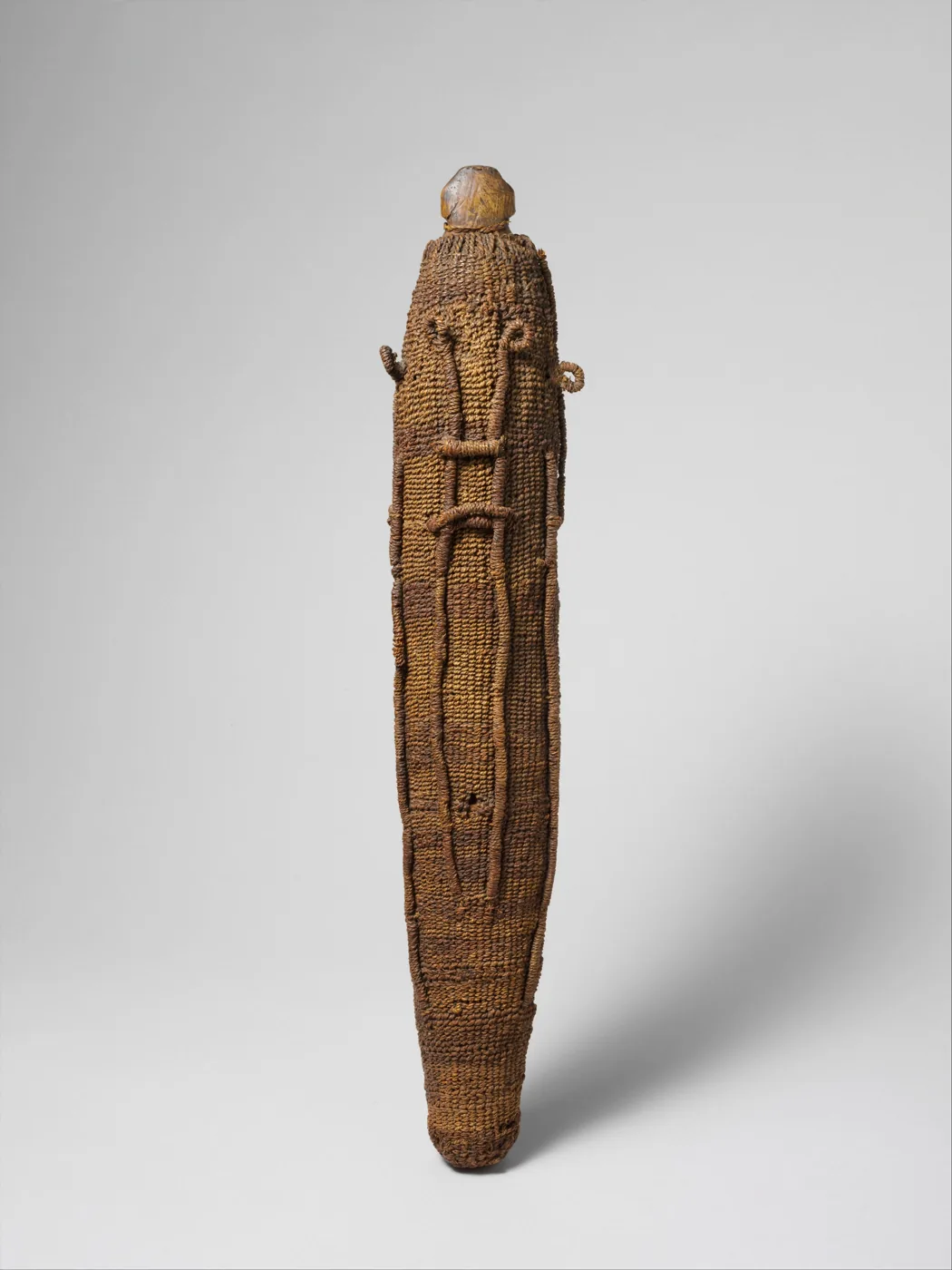
To'o (ritual image). 18th century. The Metropolitan Museum of Art, 1979.206.1481. Credit: Mā'ohi artist / The Metropolitan Museum of Art. The Michael C. Rockefeller Memorial Collection, Bequest of Nelson A. Rockefeller, 1979. Rights: Public domain; Met Open Access. Changes: Resized within1400px and converted to WebP; no crop or substantive alteration. Image source Image licence
Met API explicitly marks isPublicDomain=true. Image reuse permission does not transfer ownership of the object or resolve cultural permissions, sacred significance, provenance or restitution questions. Retain the catalog context.
History and context
A wrapped wooden form presents a body through tightly worked coconut fibre rather than anatomical modelling. The Metropolitan Museum identifies loops that suggest facial features and a depression associated with the navel. Its explanation connects the binding process, accompanied by words and actions, with making a temporary dwelling for a deity. Wood, fibre and feathers therefore belong to a meaningful material relationship, not merely to a list of ingredients. Future viewers can learn from the work's restraint without stripping away its religious significance. The selection challenges an archive to preserve what an object was understood to do as well as what a modern photograph makes visible, especially when the original ceremonial setting is absent.
What future readers can learn
Curatorial interpretation: It shows that a minimally described body can carry dense religious and material meaning.
Limits and cultural context
This is one eighteenth-century Tahitian object, not a universal Pacific deity image. Do not claim restricted ritual knowledge or treat it only as a precursor of modern abstraction.
Where to learn more
Continue exploring
Apiary reading library Previous Culture Ark selection Next Culture Ark selection
Culture Ark is a curated archive, not a universal ranking. Interpretive images and source evidence serve different roles.
Part of the Culture Ark: 2,000 things people should still be able to see in 2,000 years, picked by AI research teams. Browse the gallery. The Culture Ark is an Artificial Mind Hive (AMH) project. AMH is owned by Austin Little.

Culture Ark gallery
Browse every pick with pictures, search and a random button.
Open the gallery →