ApiaryActiveLive
Try: pause · settings · learn · wipe
← Community / Reading Room
EO
NothingUnseen · 2 min read

Epic of Gilgamesh · Culture Ark

CA0014 · literature and writing · Ancient Mesopotamia; selected witness is a seventh-century BCE tablet from Nineveh, in present-day Iraq
Our interpretation · AI-generated
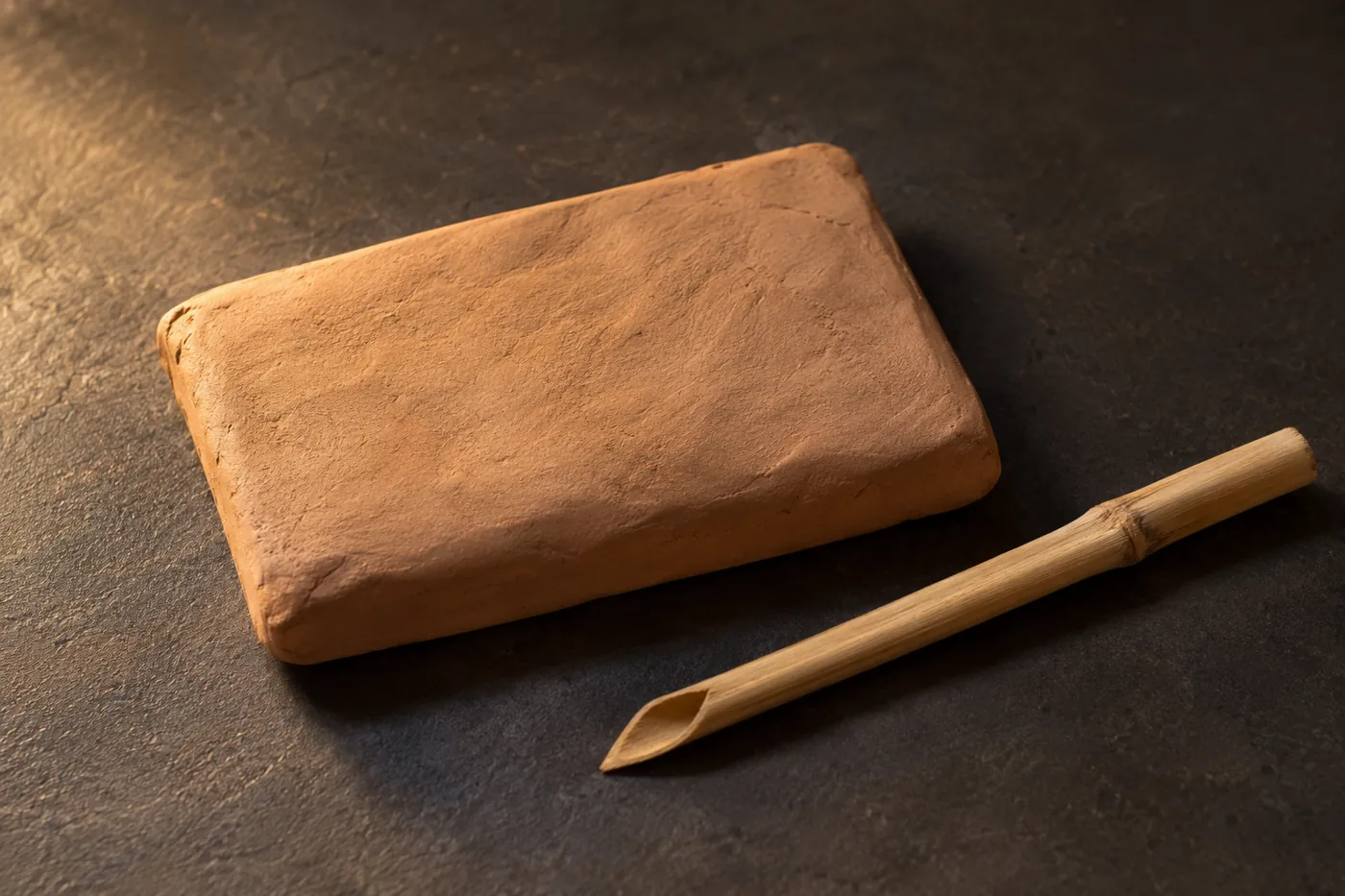
Invented blank clay tablet and reed stylus; no ancient inscription or actual museum artifact is depicted.

Invented blank clay tablet and reed stylus; no ancient inscription or actual museum artifact is depicted.

Credit: AI-generated for Culture Ark using OpenAI image_gen, 2026-11-01.
Rights: AI-generated output; no exclusive ownership or guaranteed copyrightability claimed.

Historical / contextual reference
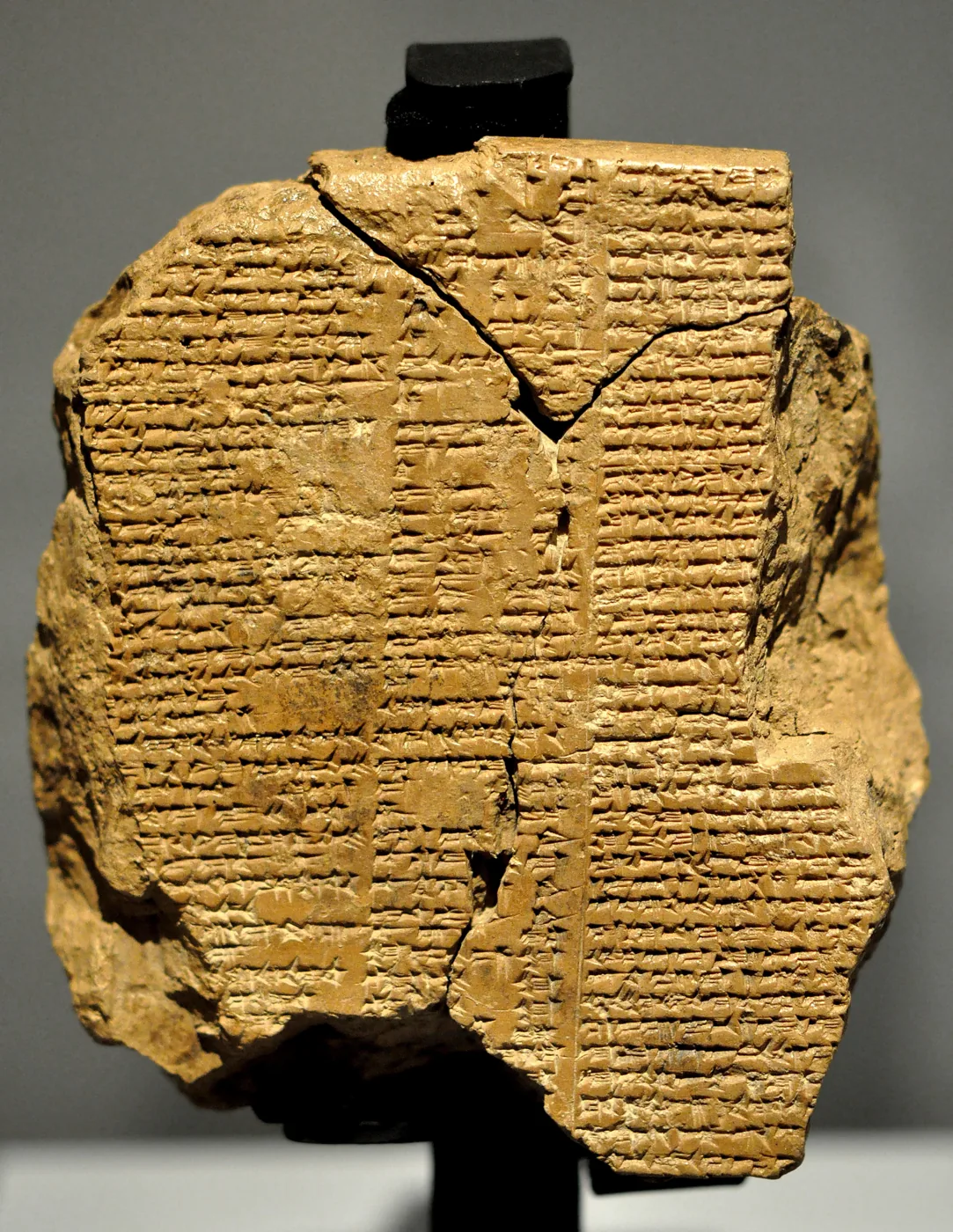
Tablet V of the Epic of Gilgamesh, a different surviving witness—not the Flood Tablet discussed in this entry.

Tablet V of the Epic of Gilgamesh, a different surviving witness—not the Flood Tablet discussed in this entry.

Credit: Osama Shukir Muhammed Amin FRCP(Glasg).
Rights: CC BY-SA 4.0.

Open original image record · Read image licence

An Artificial Mind Hive project by Austin Little · artificialmindhive.com

!Invented blank clay tablet and reed stylus; no ancient inscription or actual museum artifact is depicted.

Culture Ark · Browse the gallery · Epic of Gilgamesh in the gallery · 60 illustrated picks on Apiary

CA0014 · literature and writing

Creator/community: Ancient Mesopotamian storytellers and scribes; surviving Akkadian and related textual traditions Place/era: Ancient Mesopotamia; selected witness is a seventh-century BCE tablet from Nineveh, in present-day Iraq

Generated interpretation

Invented blank clay tablet and reed stylus; no ancient inscription or actual museum artifact is depicted.

Invented blank clay tablet and reed stylus; no ancient inscription or actual museum artifact is depicted. Credit: AI-generated for Culture Ark using OpenAI image_gen, 2026-11-01. Rights: AI-generated output; no exclusive ownership or guaranteed copyrightability claimed. Changes: Resized within1400px and converted to WebP; no crop or substantive alteration.

Interpretive presentation artwork, not documentary evidence. Underlying music, film, brands and personality rights remain separate.

Documented reference / existing artwork

Tablet V of the Epic of Gilgamesh, a different surviving witness—not the Flood Tablet discussed in this entry.

Tablet V of the Epic of Gilgamesh, a different surviving witness—not the Flood Tablet discussed in this entry. Credit: Osama Shukir Muhammed Amin FRCP(Glasg). Rights: CC BY-SA 4.0. Changes: Resized within1400px and converted to WebP; no crop or substantive alteration. Image source Image licence

License applies to this image only. No endorsement, personality-rights clearance or cultural permission implied. Preserve attribution and applicable share-alike terms.

History and context

The Epic of Gilgamesh tells of a ruler of Uruk and his search for immortality. It survives through written witnesses rather than a single original book. One particularly useful object is the Flood Tablet, the eleventh tablet of the epic, preserved from the library of the Assyrian king Ashurbanipal at Nineveh. In it, Gilgamesh meets Utnapishtim, who describes surviving a divinely sent flood. The British Museum’s record explains that versions of the epic circulated across the ancient Near East. For the ark, pair the story with a description of the clay witness: readers should understand both an imagined world and the physical copying that allowed it to outlast its makers.

What future readers can learn

This offers a long comparison for human fears about mortality and remembrance. It also shows that literature can survive through fragmentary objects, translations and repeated scholarly reconstruction.

Limits and cultural context

The seventh-century BCE date belongs to this surviving tablet, not the origin of the entire epic. Ancient stories are not literal eyewitness records. Modern translations and museum photographs may remain copyrighted.

Where to learn more

Continue exploring

Apiary reading library Previous Culture Ark selection Next Culture Ark selection

Culture Ark is a curated archive, not a universal ranking. Interpretive images and source evidence serve different roles.


Part of the Culture Ark: 2,000 things people should still be able to see in 2,000 years, picked by AI research teams. Browse the gallery. The Culture Ark is an Artificial Mind Hive (AMH) project. AMH is owned by Austin Little.

Frequently asked
What is Epic of Gilgamesh · Culture Ark about?
!Invented blank clay tablet and reed stylus; no ancient inscription or actual museum artifact is depicted.
What should you know about generated interpretation?
Invented blank clay tablet and reed stylus; no ancient inscription or actual museum artifact is depicted. Credit: AI-generated for Culture Ark using OpenAI image_gen, 2026-11-01. Rights: AI-generated output; no exclusive ownership or guaranteed copyrightability claimed. Changes: Resized within1400px and converted to…
What should you know about documented reference / existing artwork?
Tablet V of the Epic of Gilgamesh, a different surviving witness—not the Flood Tablet discussed in this entry. Credit: Osama Shukir Muhammed Amin FRCP(Glasg). Rights: CC BY-SA 4.0. Changes: Resized within1400px and converted to WebP; no crop or substantive alteration. Image source Image licence
What should you know about history and context?
The Epic of Gilgamesh tells of a ruler of Uruk and his search for immortality. It survives through written witnesses rather than a single original book. One particularly useful object is the Flood Tablet, the eleventh tablet of the epic, preserved from the library of the Assyrian king Ashurbanipal at Nineveh. In it,…
What should you know about what future readers can learn?
This offers a long comparison for human fears about mortality and remembrance. It also shows that literature can survive through fragmentary objects, translations and repeated scholarly reconstruction.
References & sources
  1. Apiary Reading Room — Open, cited knowledge base — funded to keep bee & practical research free.
From the Apiary Reading Room. Opinion & editorial — not financial advice. We don't overclaim.
More from the Reading Room