ApiaryActiveLive
Try: pause · settings · learn · wipe
← Community / Reading Room
NB
NothingUnseen · 2 min read

Nasca bottle with seated figure · Culture Ark

CA0360 · visual art · South coast of Peru; 1–300 CE
Our interpretation · AI-generated
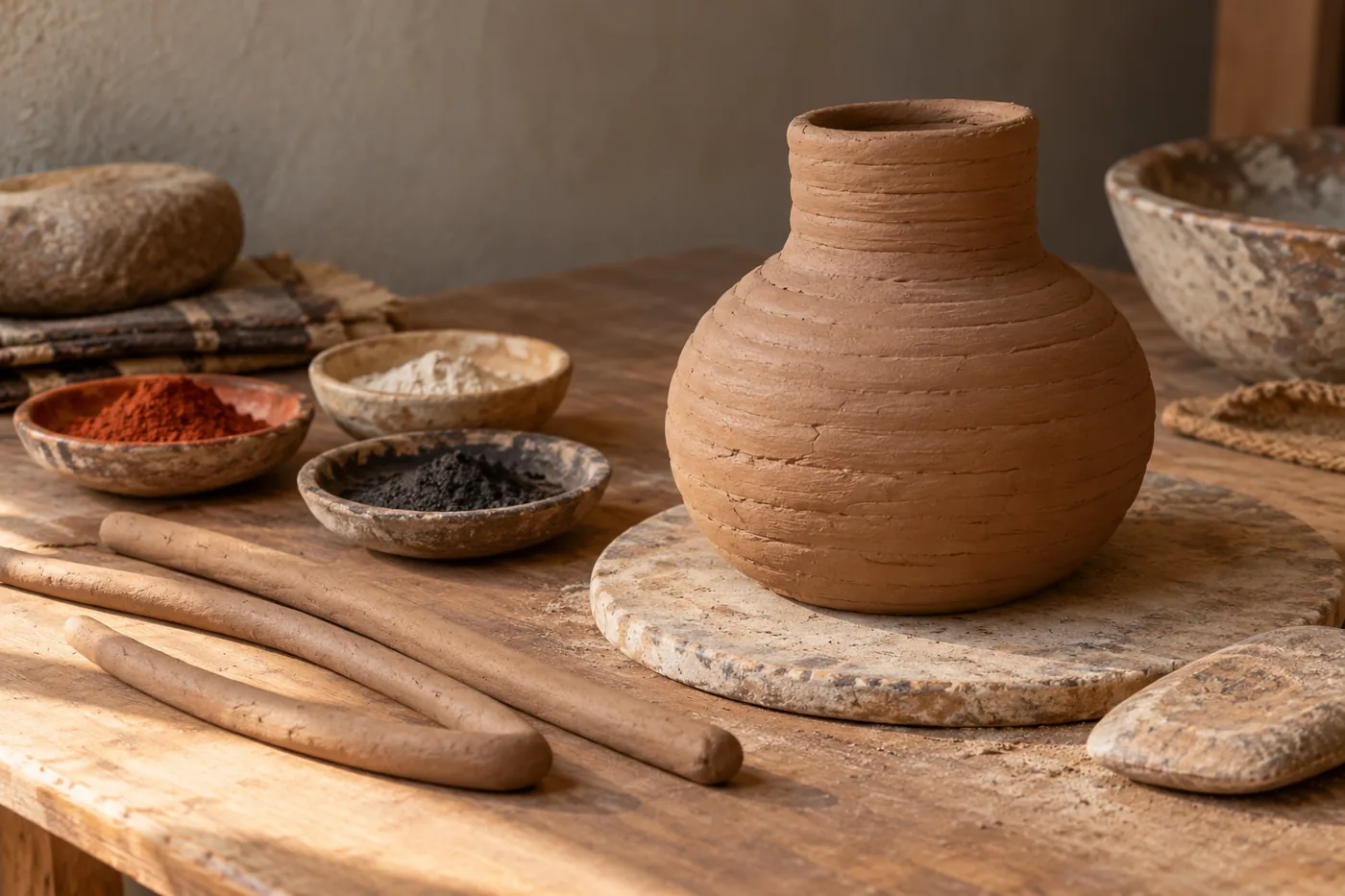
Imagined thematic or material-study illustration accompanying Nasca bottle with seated figure; consult the separately credited reference image for documentary context.

Imagined thematic or material-study illustration accompanying Nasca bottle with seated figure; consult the separately credited reference image for documentary context.

Credit: AI-generated with OpenAI image_gen for Culture Ark.
Rights: Generated output; no exclusive ownership or copyrightability warranty; underlying cultural practices and third-party rights remain separate..

Historical / contextual reference
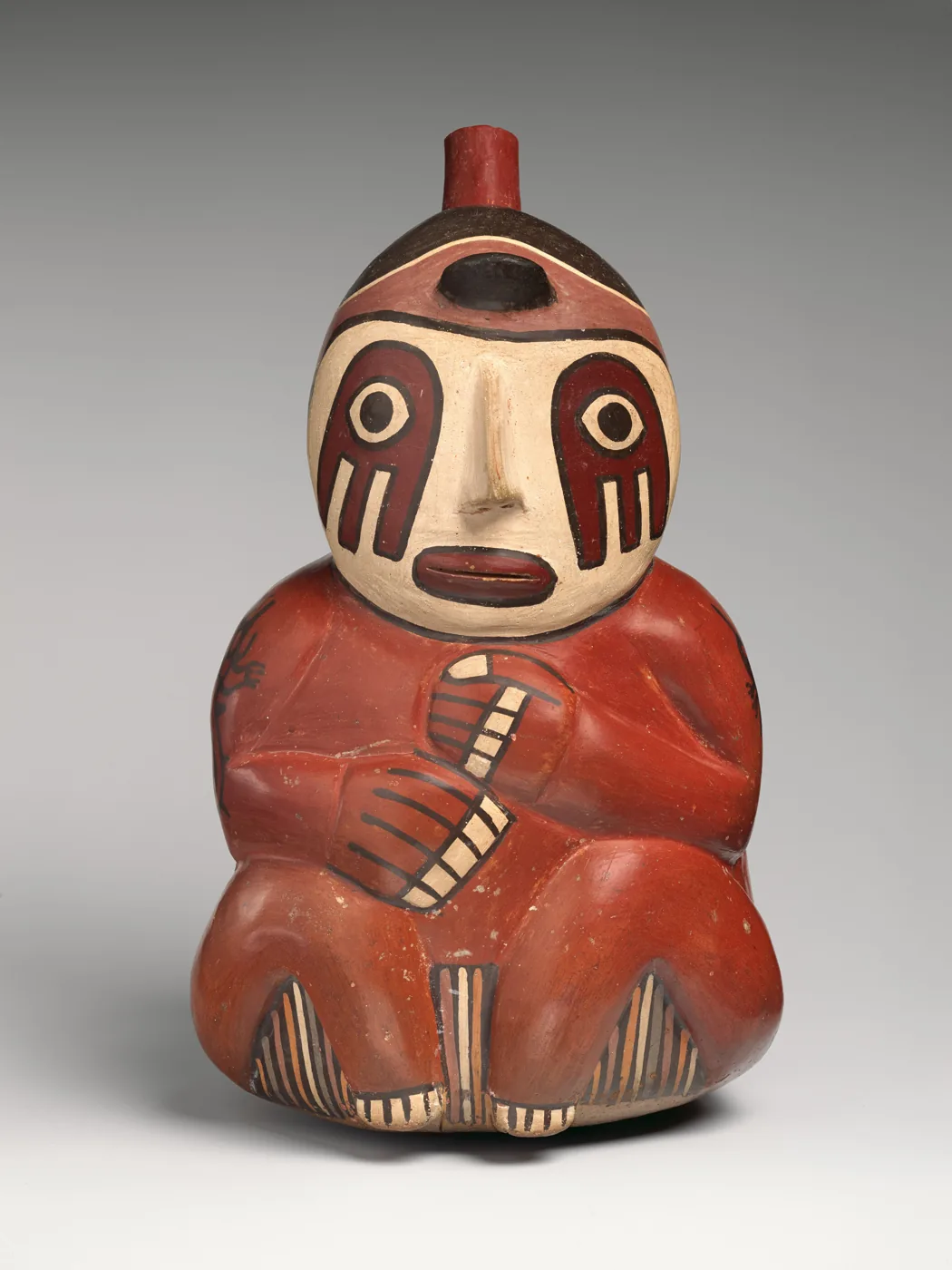
Bottle with seated figure. 1–300 CE. The Metropolitan Museum of Art, 1978.412.53.

Bottle with seated figure. 1–300 CE. The Metropolitan Museum of Art, 1978.412.53.

Credit: Nasca artist(s) / The Metropolitan Museum of Art. The Michael C. Rockefeller Memorial Collection, Gift of Mr. and Mrs. Raymond Wielgus, 1960.
Rights: Public domain; Met Open Access.

Open original image record · Read image licence

An Artificial Mind Hive project by Austin Little · artificialmindhive.com

!Imagined thematic or material-study illustration accompanying Nasca bottle with seated figure; consult the separately credited reference image for…

Culture Ark · Browse the gallery · Nasca bottle with seated figure in the gallery · 60 illustrated picks on Apiary

CA0360 · visual art

Creator/community: Nasca ceramic artist or artists Place/era: South coast of Peru; 1–300 CE

Generated interpretation

Imagined thematic or material-study illustration accompanying Nasca bottle with seated figure; consult the separately credited reference image for documentary context.

Imagined thematic or material-study illustration accompanying Nasca bottle with seated figure; consult the separately credited reference image for documentary context. Credit: AI-generated with OpenAI image_gen for Culture Ark. Rights: Generated output; no exclusive ownership or copyrightability warranty; underlying cultural practices and third-party rights remain separate.. Changes: Resized within1400px and converted to WebP; no crop or substantive alteration.

Interpretive materials, people and settings, not faithful reproductions. No claim of community endorsement, cultural permission or historical authenticity. Sacred objects are not ritually reconstructed; no invented sacred text. Consult the separate institutional reference for the selected work.

Documented reference / existing artwork

Bottle with seated figure. 1–300 CE. The Metropolitan Museum of Art, 1978.412.53.

Bottle with seated figure. 1–300 CE. The Metropolitan Museum of Art, 1978.412.53. Credit: Nasca artist(s) / The Metropolitan Museum of Art. The Michael C. Rockefeller Memorial Collection, Gift of Mr. and Mrs. Raymond Wielgus, 1960. Rights: Public domain; Met Open Access. Changes: Resized within1400px and converted to WebP; no crop or substantive alteration. Image source Image licence

Met API explicitly marks isPublicDomain=true. Image reuse permission does not transfer ownership of the object or resolve cultural permissions, sacred significance, provenance or restitution questions. Retain the catalog context.

History and context

A seated human form becomes the body of a ceramic bottle, with a spout and connecting handle rising above it. The Metropolitan Museum explains that the vessel was built through coiling and modelling rather than a mould. Painted details distinguish fingers, toes, clothing and creatures associated with the sea. Its account proposes interpretations for the forehead feature and marine imagery but does not make every identification certain. This combination of container, body and painted surface gives future viewers several ways to approach one object. It can be read as skilled ceramic construction, as an image of a person and as evidence of attention to coastal life, without assuming that those categories were separate for its maker.

What future readers can learn

Curatorial interpretation: It connects practical form and visual storytelling while showing how uncertain iconography should be documented.

Limits and cultural context

This is Nasca accession 1978.412.53, distinct from the Moche seated bottle in CA0324. Proposed fisherman and marine-species identifications remain tentative.

Where to learn more

Continue exploring

Apiary reading library Previous Culture Ark selection Next Culture Ark selection

Culture Ark is a curated archive, not a universal ranking. Interpretive images and source evidence serve different roles.


Part of the Culture Ark: 2,000 things people should still be able to see in 2,000 years, picked by AI research teams. Browse the gallery. The Culture Ark is an Artificial Mind Hive (AMH) project. AMH is owned by Austin Little.

Frequently asked
What is Nasca bottle with seated figure · Culture Ark about?
!Imagined thematic or material-study illustration accompanying Nasca bottle with seated figure; consult the separately credited reference image for…
What should you know about generated interpretation?
Imagined thematic or material-study illustration accompanying Nasca bottle with seated figure; consult the separately credited reference image for documentary context. Credit: AI-generated with OpenAI image_gen for Culture Ark. Rights: Generated output; no exclusive ownership or copyrightability warranty; underlying…
What should you know about documented reference / existing artwork?
Bottle with seated figure. 1–300 CE. The Metropolitan Museum of Art, 1978.412.53. Credit: Nasca artist(s) / The Metropolitan Museum of Art. The Michael C. Rockefeller Memorial Collection, Gift of Mr. and Mrs. Raymond Wielgus, 1960. Rights: Public domain; Met Open Access. Changes: Resized within1400px and converted to…
What should you know about history and context?
A seated human form becomes the body of a ceramic bottle, with a spout and connecting handle rising above it. The Metropolitan Museum explains that the vessel was built through coiling and modelling rather than a mould. Painted details distinguish fingers, toes, clothing and creatures associated with the sea. Its…
What should you know about what future readers can learn?
Curatorial interpretation: It connects practical form and visual storytelling while showing how uncertain iconography should be documented.
References & sources
  1. Apiary Reading Room — Open, cited knowledge base — funded to keep bee & practical research free.
From the Apiary Reading Room. Opinion & editorial — not financial advice. We don't overclaim.
More from the Reading Room