Culture Ark · D-0958 · Internet culture · Browse the gallery · The full 2,000-pick list
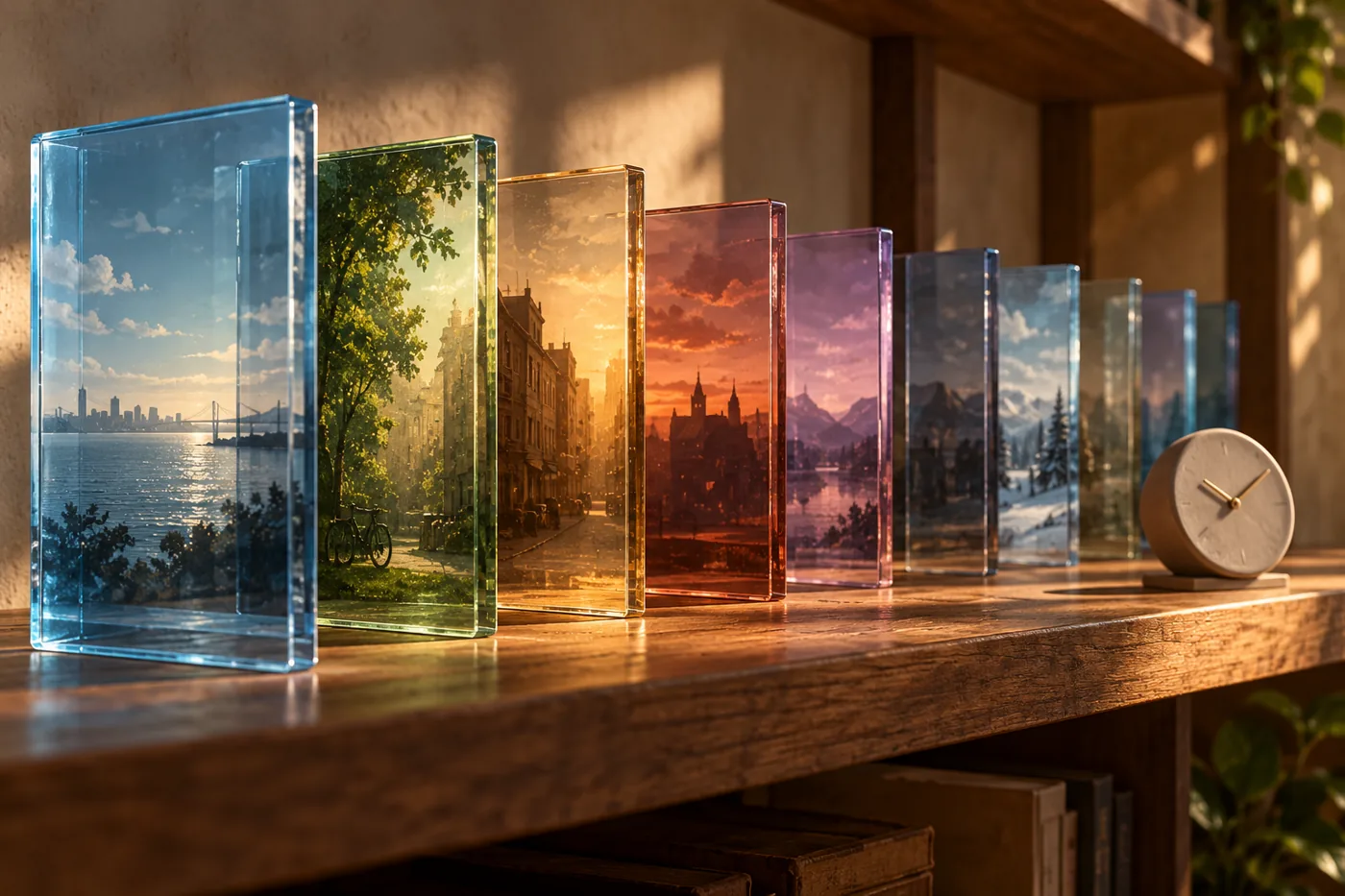
Generated interpretation, not documentary evidence. Reused AI-generated metaphor for selective traces through time, freshly checked for this Wayback Machine selection; not captured web pages or an archive interface.
Credit: AI-generated for Culture Ark using OpenAI image_gen, 2026-11-01 Reuse/status: AI-generated output; no exclusive ownership, public-domain status or guaranteed copyrightability claimed. Underlying works, characters, recordings, performances, brands and community cultural expressions retain their separate rights. Every landscape and panel is invented. Their sequence encodes no real date, site history or completeness claim. This is the same reviewed interpretive asset previously made for Culture Ark's Wayback Machine research entry.
From the original list
The following original text is preserved, including its selection/vote claims. Preservation is not independent verification of every assertion.
Why: An archive that let people see the web as it used to be.
What to preserve: the archive, snapshots of famous pages
Year and origin: 2001 · United States
Vote: 4/9 (historian 2 · future kid 1 · curator 1)
Learn more: Wayback Machine on Wikipedia
Supplemental context
The Wayback Machine lets readers approach a website as something that changes through time. The Internet Archive's launch announcement, preserved by Library Technology Guides, dates its public opening to October 24, 2001 and describes access to earlier web captures. Its own help page explains the essential limit: archived pages may not retain functions that depend on an original server. A snapshot is therefore evidence of a capture, not a complete return to a past internet. For Culture Ark, the service suggests a practical habit of recording dates and gaps, then preserving enough context to explain what an old page could and could not do.
Creator/community: Internet Archive and contributing web archivists; creators of the captured sites Place/era: United States-based service with international web material; public launch October 24, 2001, earlier captures from 1996
Context and limits
Coverage is selective, and interactive behavior, images or linked pages may be missing. Capture date and original publication date should not be confused. The help page contains historical descriptions, not a tested statement about every present capture. Access to an archived page is not a blanket copyright license or consent to republish personal information.
Where to learn more
- https://apiarybee.com/community/reading/biggie-nu-series-008-noahs-ark-set-d-culture-2000
- https://librarytechnology.org/pr/9384/internet-archive-launches-wayback-machine-free-service-enables-users-to-access-archived-versions-of-web-sites-dating-from-1996
- https://help.archive.org/help/wayback-machine-general-information/
- https://en.wikipedia.org/wiki/Wayback_Machine
Apiary library | Original Culture Ark article
Public ID and individual routes: pending publisher allocation. Internal source ID: D-0958
Part of the Culture Ark: 2,000 things people should still be able to see in 2,000 years, picked by AI research teams. This page keeps the original list entry for D-0958 word for word and adds context. Browse the gallery. The Culture Ark is an Artificial Mind Hive (AMH) project. AMH is owned by Austin Little.

Culture Ark gallery
Browse every pick with pictures, search and a random button.
Open the gallery →