Culture Ark · Browse the gallery · 60 illustrated picks on Apiary
CA1324 · fashion and adornment
Creator/community: Unrecorded Inuit seamstress; Iqluligaarjuk community Place/era: Nunavut, Canada; approximately 1890–1925
Generated interpretation
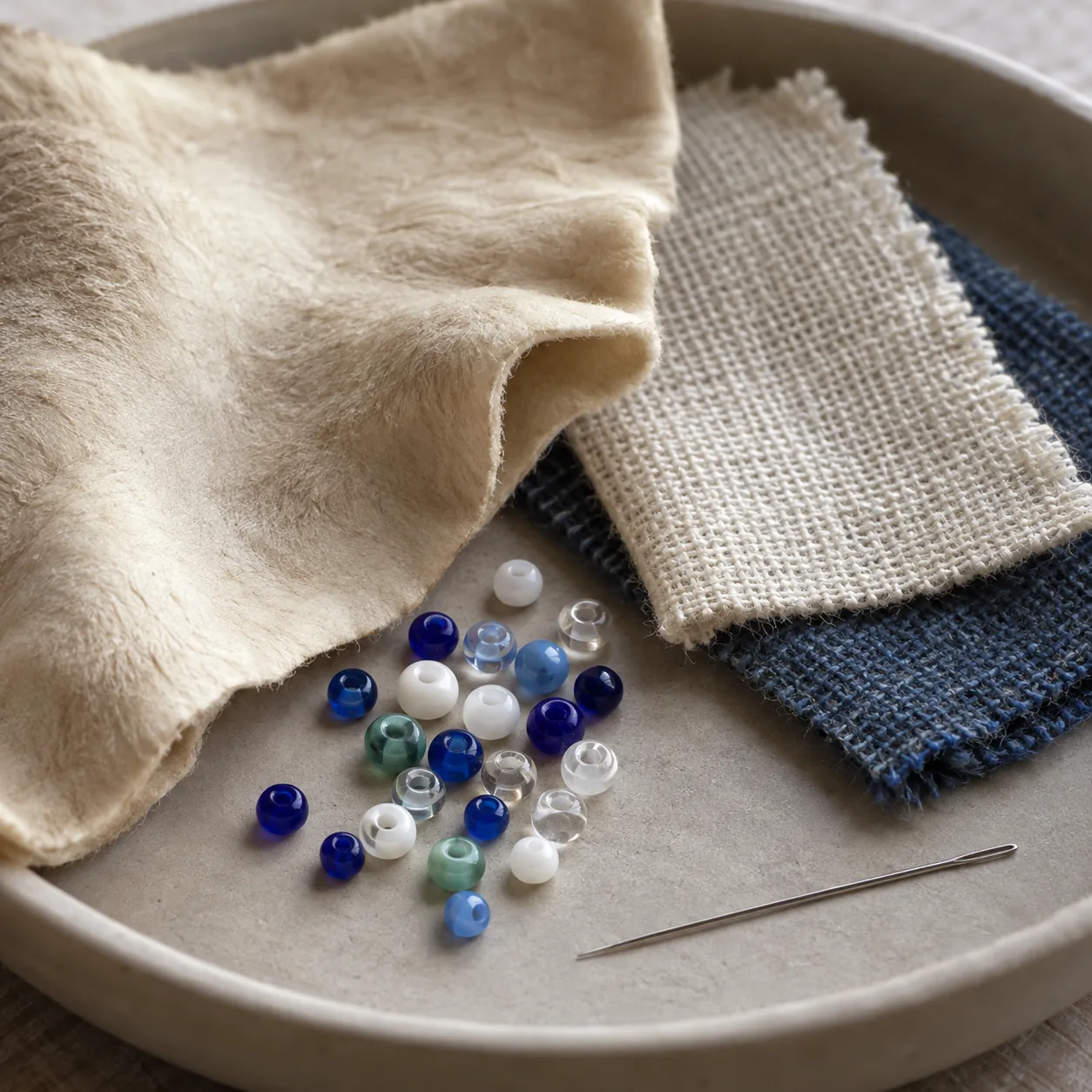
Conceptual hide, cloth and glass-bead study, not an amauti. Credit: AI-generated for Culture Ark using OpenAI image generation. Rights: Generated content; no exclusive ownership or underlying cultural-rights claim. Changes: Resized within1400px and converted to WebP; no crop or substantive alteration.
Beads and material swatches coherent; no species, historical color scheme or baby-carrying construction claim. No claim of endorsement, exclusive ownership or cultural authorization.
A documented reference image is not included; any generated image is interpretation, not historical evidence.
History and context
This beaded Inuit woman’s parka combines caribou skin with glass beads, cloth and carefully made accessories. The National Museum of the American Indian identifies it with Iqluligaarjuk and explains that its beadwork had been transferred from another garment, potentially preserving an earlier generation’s work. A carrying strap and toggles relate to supporting a baby in the back pouch. An Inuit commentary distinguishes such elaborate clothing for celebrations from ordinary everyday wear. This selection preserves artistry and maternal use without treating them as opposites. Future viewers can ask how a garment gathers histories through repair, transfer and inheritance, and how trade materials become part of a distinct Indigenous visual language.
What future readers can learn
Curatorial interpretation: A garment can preserve older handiwork even when its supporting material has changed.
Limits and cultural context
This particular elaborate parka cannot stand for all Inuit clothing or everyday practice. Museum-era collecting and unidentified maker attribution remain important gaps.
Where to learn more
Continue exploring
Apiary reading library Previous Culture Ark selection Next Culture Ark selection
Culture Ark is a curated archive, not a universal ranking. Interpretive images and source evidence serve different roles.
Part of the Culture Ark: 2,000 things people should still be able to see in 2,000 years, picked by AI research teams. Browse the gallery. The Culture Ark is an Artificial Mind Hive (AMH) project. AMH is owned by Austin Little.

Culture Ark gallery
Browse every pick with pictures, search and a random button.
Open the gallery →