ApiaryActiveLive
Try: pause · settings · learn · wipe
← Community / Reading Room
MH
NothingUnseen · 2 min read

Māori hāngī and collective meals · Culture Ark

CA0832 · food and drink · Aotearoa New Zealand; longstanding Polynesian-derived living cooking practice
Our interpretation · AI-generated
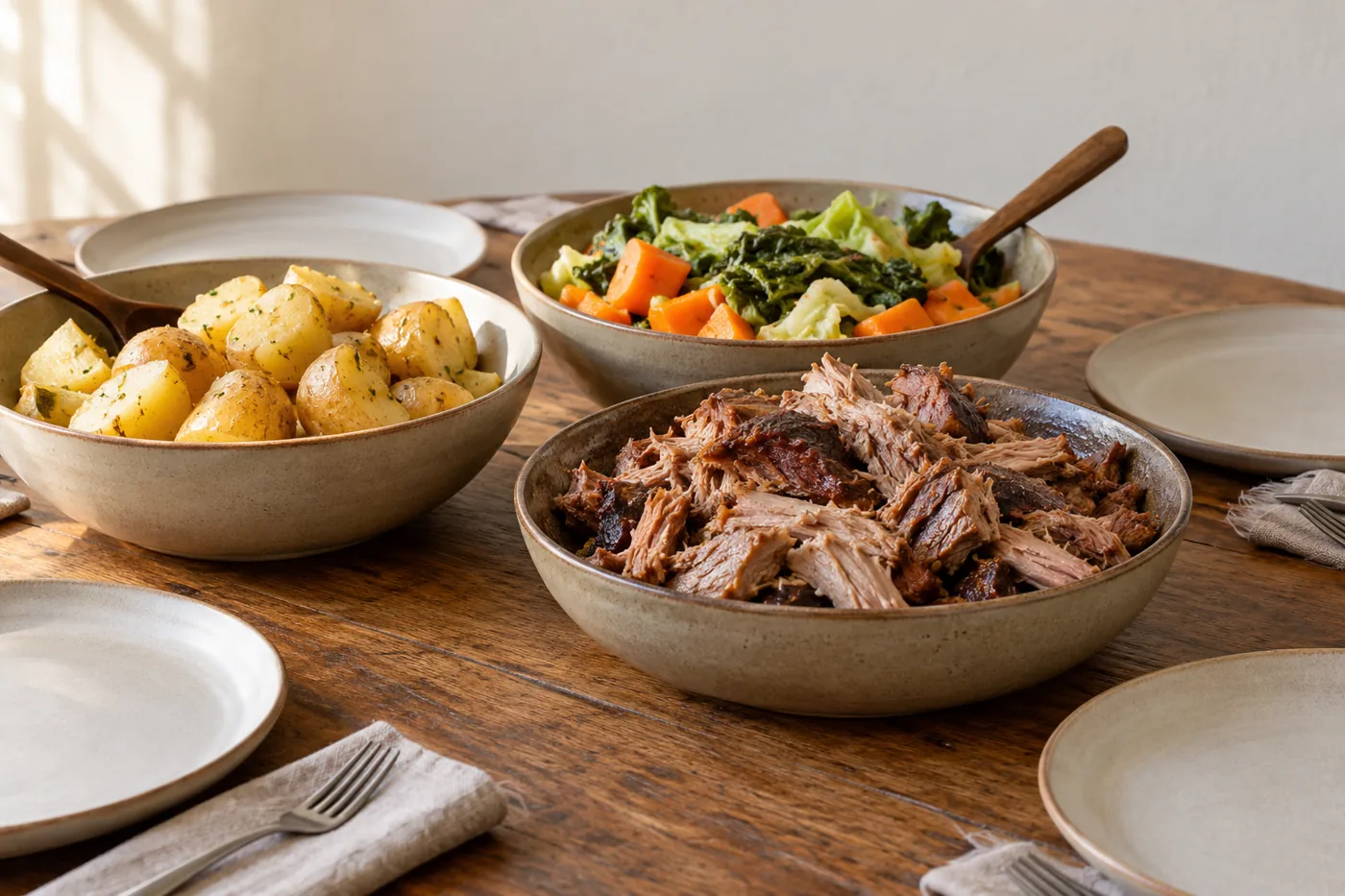
AI-created object-only shared-table metaphor with cooked food and empty plates. It does not depict a verified hāngī menu, preparation method, marae, family or ceremony; no cooking process can be inferred from appearance.

AI-created object-only shared-table metaphor with cooked food and empty plates. It does not depict a verified hāngī menu, preparation method, marae, family or ceremony; no cooking process can be inferred from appearance.

Credit: AI-generated for Culture Ark using OpenAI image_gen.
Rights: AI-generated output; no exclusive ownership or guaranteed copyrightability claimed.

An Artificial Mind Hive project by Austin Little · artificialmindhive.com

!AI-created object-only shared-table metaphor with cooked food and empty plates. It does not depict a verified hāngī menu, preparation method, marae, family…

Culture Ark · Browse the gallery · 60 illustrated picks on Apiary

CA0832 · food and drink

Creator/community: Māori cooks, whānau and marae communities Place/era: Aotearoa New Zealand; longstanding Polynesian-derived living cooking practice

Generated interpretation

AI-created object-only shared-table metaphor with cooked food and empty plates. It does not depict a verified hāngī menu, preparation method, marae, family or ceremony; no cooking process can be inferred from appearance.

AI-created object-only shared-table metaphor with cooked food and empty plates. It does not depict a verified hāngī menu, preparation method, marae, family or ceremony; no cooking process can be inferred from appearance. Credit: AI-generated for Culture Ark using OpenAI image_gen. Rights: AI-generated output; no exclusive ownership or guaranteed copyrightability claimed. Changes: Resized within1400px and converted to WebP; no crop or substantive alteration.

Interpretive food illustration, not documentary evidence, a standardized recipe, exact ingredients or proportions, food-safety guidance, production instructions or a universal national version.

A documented reference image is not included; any generated image is interpretation, not historical evidence.

History and context

A hāngī uses heated stones in an earth oven to cook food for a gathering. Te Ara places it within a wider Polynesian history while emphasizing its continuing Māori use for feeding large numbers. Te Papa’s Matariki educational material also connects hāngī with celebratory feasts. The cultural object is therefore larger than the oven: people plan, prepare, wait and share a meal in a social setting. Future readers should keep the names of hosts and the purpose of a particular gathering, rather than label any buried cooking arrangement as the same tradition. Hāngī shows how hospitality can be organized through coordinated work whose results are enjoyed collectively.

What future readers can learn

Cooking infrastructure can express hospitality and cooperation, not only a technical solution to heating food.

Limits and cultural context

This is cultural description, not excavation, stone-selection or food-safety instruction. Particular marae and families maintain their own practice.

Where to learn more

Continue exploring

Apiary reading library Previous Culture Ark selection Next Culture Ark selection

Culture Ark is a curated archive, not a universal ranking. Interpretive images and source evidence serve different roles.


Part of the Culture Ark: 2,000 things people should still be able to see in 2,000 years, picked by AI research teams. Browse the gallery. The Culture Ark is an Artificial Mind Hive (AMH) project. AMH is owned by Austin Little.

Frequently asked
What is Māori hāngī and collective meals · Culture Ark about?
!AI-created object-only shared-table metaphor with cooked food and empty plates. It does not depict a verified hāngī menu, preparation method, marae, family…
What should you know about generated interpretation?
AI-created object-only shared-table metaphor with cooked food and empty plates. It does not depict a verified hāngī menu, preparation method, marae, family or ceremony; no cooking process can be inferred from appearance. Credit: AI-generated for Culture Ark using OpenAI image_gen. Rights: AI-generated output; no…
What should you know about history and context?
A hāngī uses heated stones in an earth oven to cook food for a gathering. Te Ara places it within a wider Polynesian history while emphasizing its continuing Māori use for feeding large numbers. Te Papa’s Matariki educational material also connects hāngī with celebratory feasts. The cultural object is therefore…
What should you know about what future readers can learn?
Cooking infrastructure can express hospitality and cooperation, not only a technical solution to heating food.
What should you know about limits and cultural context?
This is cultural description, not excavation, stone-selection or food-safety instruction. Particular marae and families maintain their own practice.
References & sources
  1. Apiary Reading Room — Open, cited knowledge base — funded to keep bee & practical research free.
From the Apiary Reading Room. Opinion & editorial — not financial advice. We don't overclaim.
More from the Reading Room