ApiaryActiveLive
Try: pause · settings · learn · wipe
← Community / Reading Room
DA
NothingUnseen · 2 min read

Duduk and its music · Culture Ark

CA0022 · music · Armenia; historical tradition continuing today
Our interpretation · AI-generated
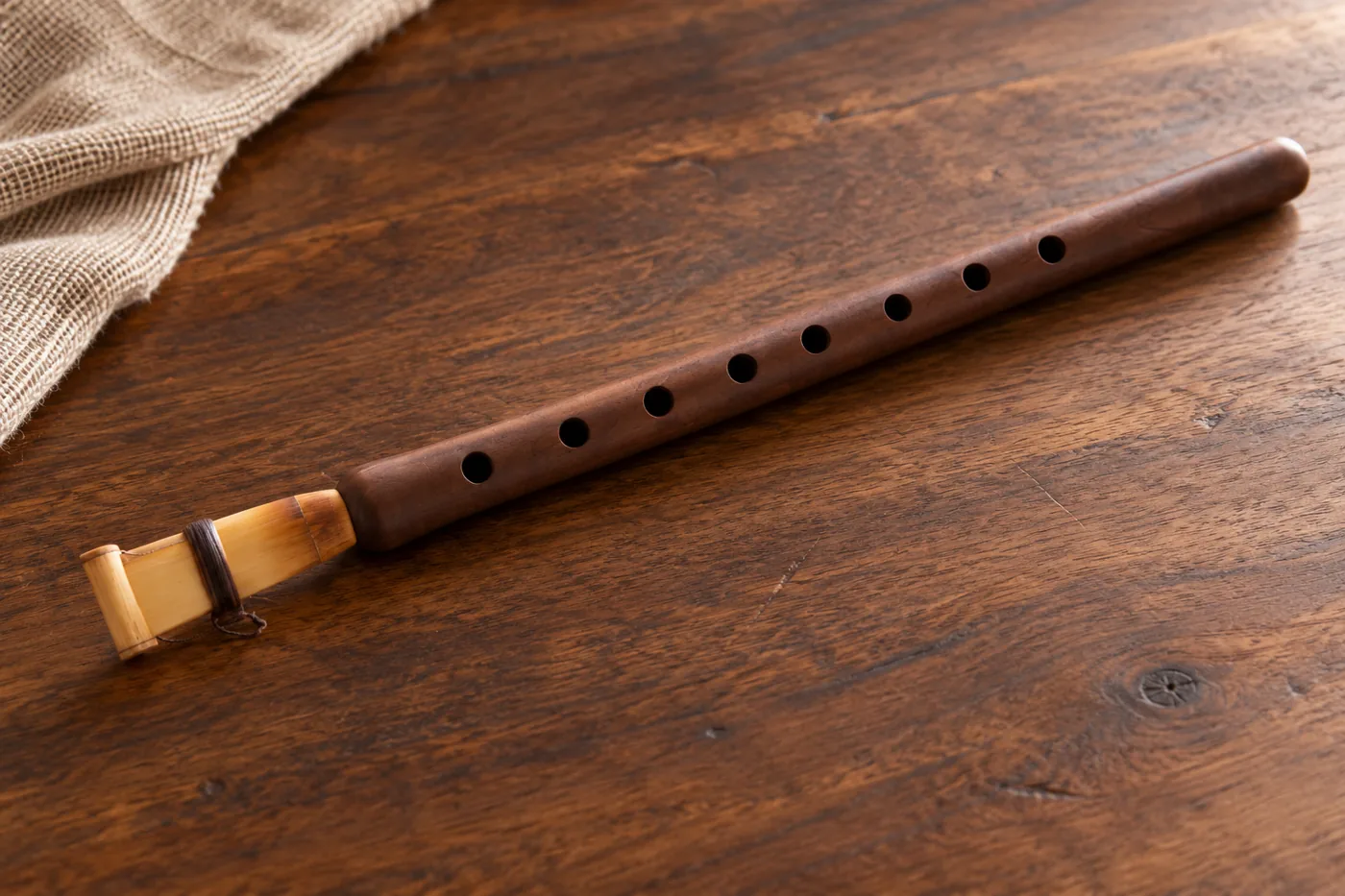
AI-created presentation of a duduk, guided by the archived CC0 object photograph; staged tabletop is imagined, not a historic setting or construction diagram.

AI-created presentation of a duduk, guided by the archived CC0 object photograph; staged tabletop is imagined, not a historic setting or construction diagram.

Credit: AI-generated for Culture Ark using OpenAI image_gen; CC0 reference photograph credited in linked source record.
Rights: AI-generated output; no exclusive ownership or guaranteed copyrightability claimed.

Open original image record

Historical / contextual reference
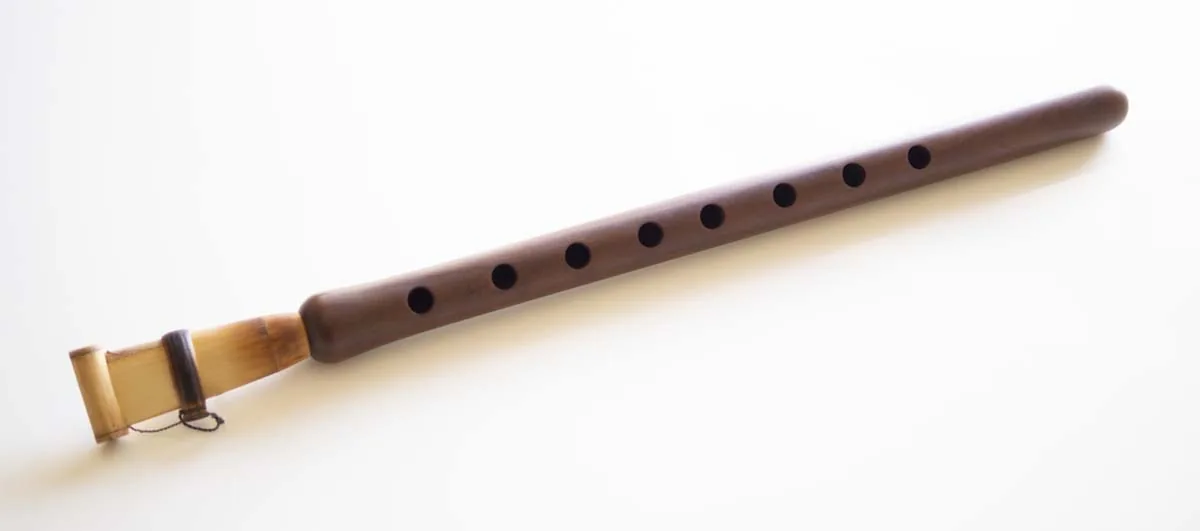
A duduk photographed as an object; the image cannot reproduce its sound.

A duduk photographed as an object; the image cannot reproduce its sound.

Credit: DudukFromJapan.
Rights: CC0.

Open original image record · Read image licence

An Artificial Mind Hive project by Austin Little · artificialmindhive.com

!AI-created presentation of a duduk, guided by the archived CC0 object photograph; staged tabletop is imagined, not a historic setting or construction diagram.

Culture Ark · Browse the gallery · Duduk and its music in the gallery · 60 illustrated picks on Apiary

CA0022 · music

Creator/community: Armenian duduk makers and players Place/era: Armenia; historical tradition continuing today

Generated interpretation

AI-created presentation of a duduk, guided by the archived CC0 object photograph; staged tabletop is imagined, not a historic setting or construction diagram.

AI-created presentation of a duduk, guided by the archived CC0 object photograph; staged tabletop is imagined, not a historic setting or construction diagram. Credit: AI-generated for Culture Ark using OpenAI image_gen; CC0 reference photograph credited in linked source record. Rights: AI-generated output; no exclusive ownership or guaranteed copyrightability claimed. Changes: Resized within1400px and converted to WebP; no crop or substantive alteration. Image source

Interpretive presentation artwork, not documentary evidence. Underlying music, film, brands and personality rights remain separate.

Documented reference / existing artwork

A duduk photographed as an object; the image cannot reproduce its sound.

A duduk photographed as an object; the image cannot reproduce its sound. Credit: DudukFromJapan. Rights: CC0. Changes: Resized within1400px and converted to WebP; no crop or substantive alteration. Image source Image licence

Reuse terms apply to this image only. Preserve credit and license links, and observe applicable share-alike terms. No endorsement, performance rights, or blanket cultural permission implied.

History and context

The duduk is an Armenian double-reed wind instrument whose wooden body is commonly made from apricot wood. Its music accompanies songs, dances and occasions including weddings and funerals. UNESCO describes a frequent pairing in which one musician sustains a drone while another shapes a melody and improvises. Circular breathing helps the accompanying player sustain the musical background. Such an arrangement makes cooperation audible: the foreground line depends on another person maintaining continuity. Different instrument lengths support different registers and moods. Keeping the instrument together with its social settings avoids reducing a living musical practice to a vaguely melancholy sound used outside its context.

What future readers can learn

Curatorial interpretation: A two-player performance demonstrates how an apparently solo melody can depend on another musician’s less conspicuous labor.

Limits and cultural context

Related regional wind instruments should not be collapsed into one national category. The source’s old estimates of decline are not presented as current statistics.

Where to learn more

Continue exploring

Apiary reading library Previous Culture Ark selection

Culture Ark is a curated archive, not a universal ranking. Interpretive images and source evidence serve different roles.


Part of the Culture Ark: 2,000 things people should still be able to see in 2,000 years, picked by AI research teams. Browse the gallery. The Culture Ark is an Artificial Mind Hive (AMH) project. AMH is owned by Austin Little.

Frequently asked
What is Duduk and its music · Culture Ark about?
!AI-created presentation of a duduk, guided by the archived CC0 object photograph; staged tabletop is imagined, not a historic setting or construction diagram.
What should you know about generated interpretation?
AI-created presentation of a duduk, guided by the archived CC0 object photograph; staged tabletop is imagined, not a historic setting or construction diagram. Credit: AI-generated for Culture Ark using OpenAI image_gen; CC0 reference photograph credited in linked source record. Rights: AI-generated output; no…
What should you know about documented reference / existing artwork?
A duduk photographed as an object; the image cannot reproduce its sound. Credit: DudukFromJapan. Rights: CC0. Changes: Resized within1400px and converted to WebP; no crop or substantive alteration. Image source Image licence
What should you know about history and context?
The duduk is an Armenian double-reed wind instrument whose wooden body is commonly made from apricot wood. Its music accompanies songs, dances and occasions including weddings and funerals. UNESCO describes a frequent pairing in which one musician sustains a drone while another shapes a melody and improvises.…
What should you know about what future readers can learn?
Curatorial interpretation: A two-player performance demonstrates how an apparently solo melody can depend on another musician’s less conspicuous labor.
References & sources
  1. Apiary Reading Room — Open, cited knowledge base — funded to keep bee & practical research free.
From the Apiary Reading Room. Opinion & editorial — not financial advice. We don't overclaim.
More from the Reading Room