
Culture Ark · Browse the gallery · Māori haka in the gallery · 60 illustrated picks on Apiary
CA0020 · theatre and performance
Creator/community: Māori composers, iwi, hapū and performers; individual haka retain their specific whakapapa and authorship Place/era: Aotearoa New Zealand; continuing Māori performance traditions
Generated interpretation
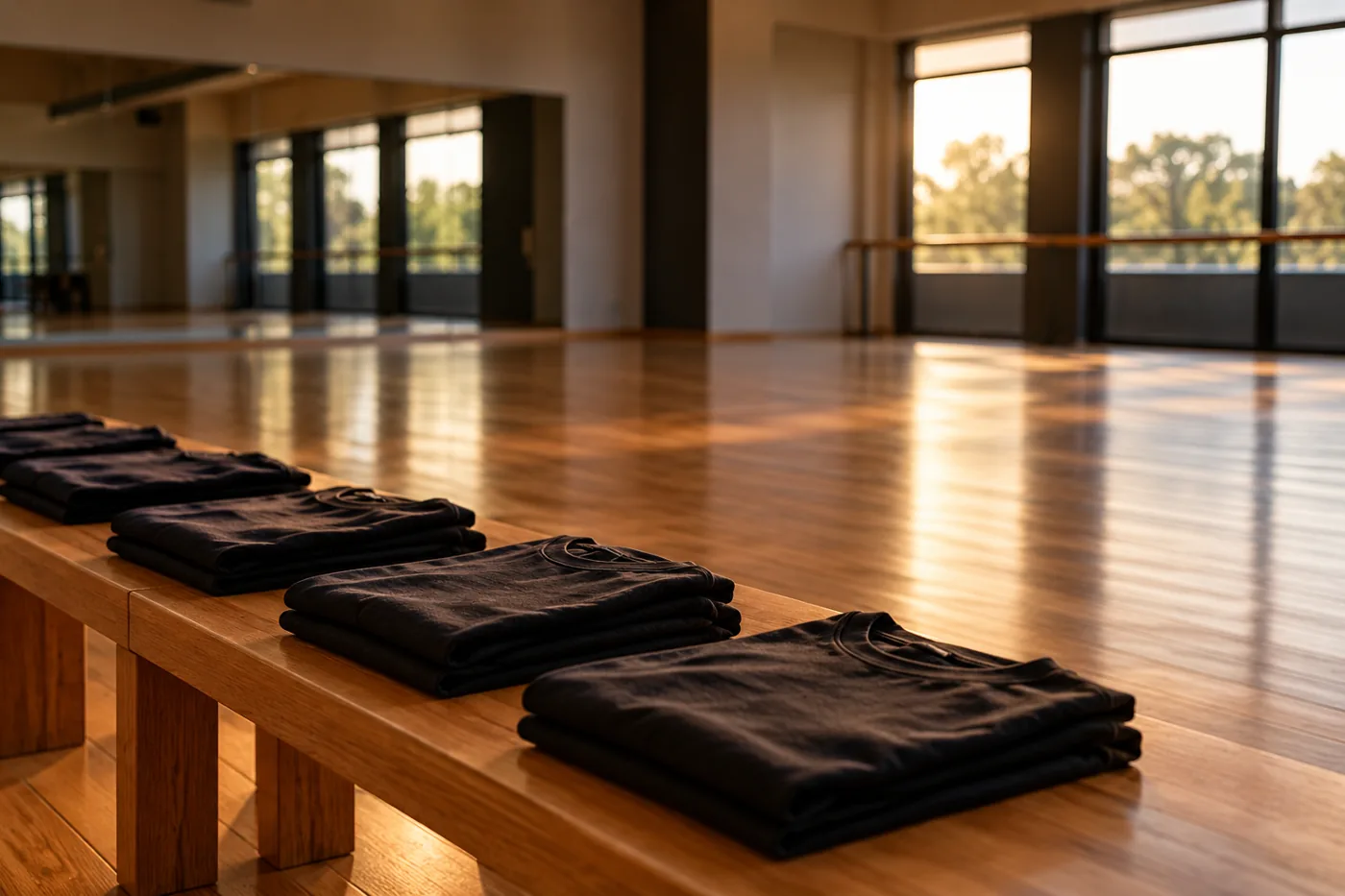
Invented contemporary rehearsal room and plain shirts symbolize collective preparation; not a haka ceremony, Māori venue or cultural uniform. Credit: AI-generated for Culture Ark using OpenAI image_gen, 2026-11-01. Rights: AI-generated output; no exclusive ownership or guaranteed copyrightability claimed. Changes: Resized within1400px and converted to WebP; no crop or substantive alteration.
Interpretive presentation artwork, not documentary evidence. Underlying music, film, brands and personality rights remain separate.
Documented reference / existing artwork
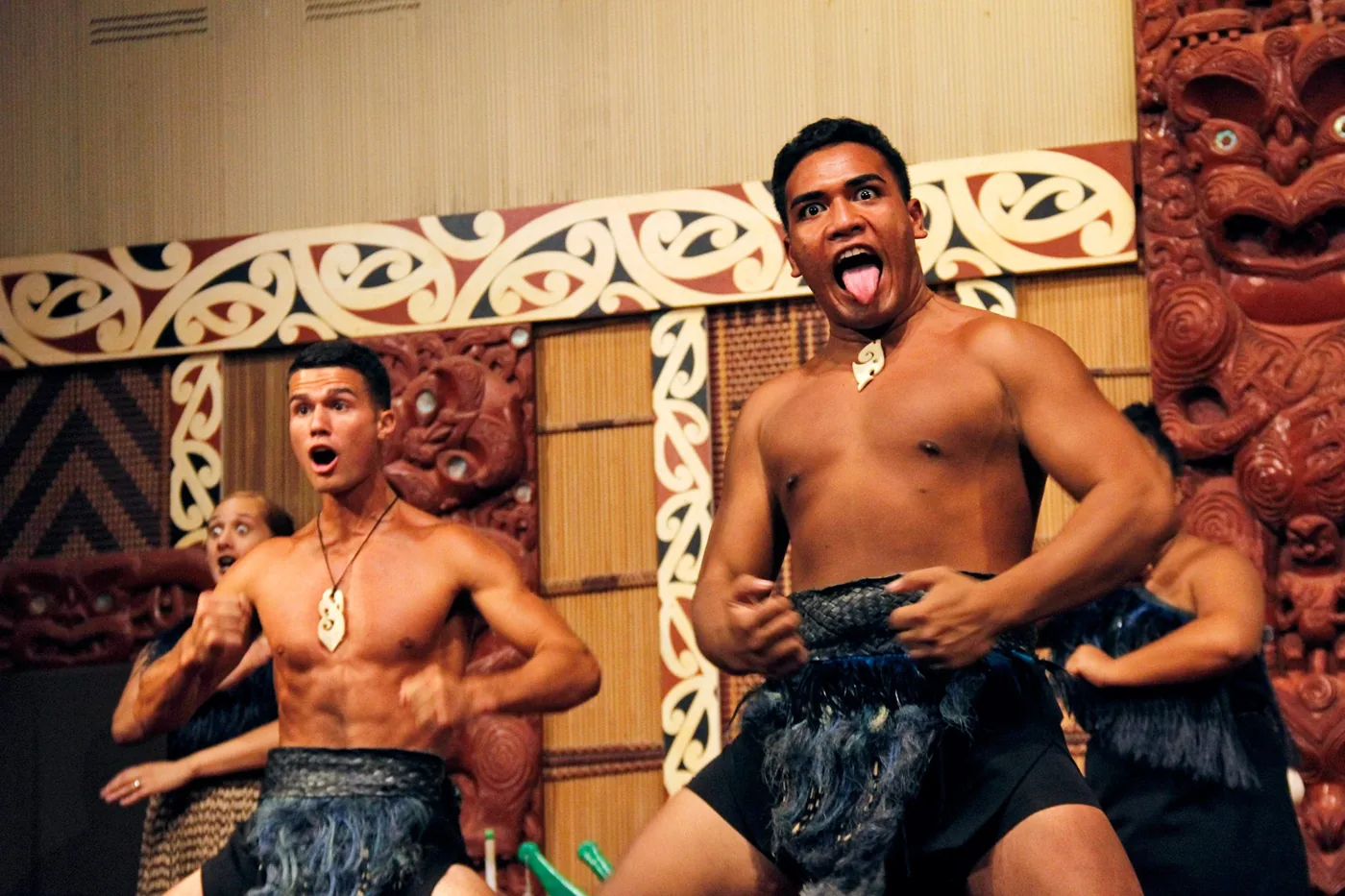
Māori dancers performing haka, photographed in New Zealand in 2016. Credit: Raymonst3. Rights: CC BY-SA 4.0. Changes: Resized within1400px and converted to WebP; no crop or substantive alteration. Image source Image licence
License applies to this image only. No endorsement, personality-rights clearance or cultural permission implied. Preserve attribution and applicable share-alike terms.
History and context
Haka are varied Māori performances involving collective movement and voice, not one dance belonging only to a rugby team. The New Zealand Police’s cultural explanation describes forms connected to iwi identities and occasions including welcome, achievement, weddings and funerals. It also notes participation by both women and men and the place of haka within kapa haka performance. A useful ark entry should therefore introduce the category without pretending that one recording represents every form. When selecting a particular example, preserve its name, composer where known, affiliated community, words, translation and occasion. Those details make the performance intelligible as an expression of identity and relationship rather than a sequence of impressive gestures.
What future readers can learn
Haka illustrates how coordinated performance can express welcome, remembrance, identity and political feeling. It challenges the tendency to interpret unfamiliar bodily expression only as aggression or entertainment.
Limits and cultural context
Do not flatten haka into a generic 'war dance' or treat all examples as interchangeable. Learn from appropriate Māori custodians before reenacting. Specific compositions, recordings and cultural obligations require their own attribution and reuse assessment.
Where to learn more
- Source 1
- Source 2
- Full information
- Official media / further listening — link only; playback and future availability not guaranteed.
Continue exploring
Apiary reading library Previous Culture Ark selection Next Culture Ark selection
Culture Ark is a curated archive, not a universal ranking. Interpretive images and source evidence serve different roles.
Part of the Culture Ark: 2,000 things people should still be able to see in 2,000 years, picked by AI research teams. Browse the gallery. The Culture Ark is an Artificial Mind Hive (AMH) project. AMH is owned by Austin Little.

Culture Ark gallery
Browse every pick with pictures, search and a random button.
Open the gallery →