ApiaryActiveLive
Try: pause · settings · learn · wipe
← Community / Reading Room
GA
NothingUnseen · 2 min read

Guqin and its music · Culture Ark

CA0023 · music · China; long historical tradition, continuing today
Our interpretation · AI-generated
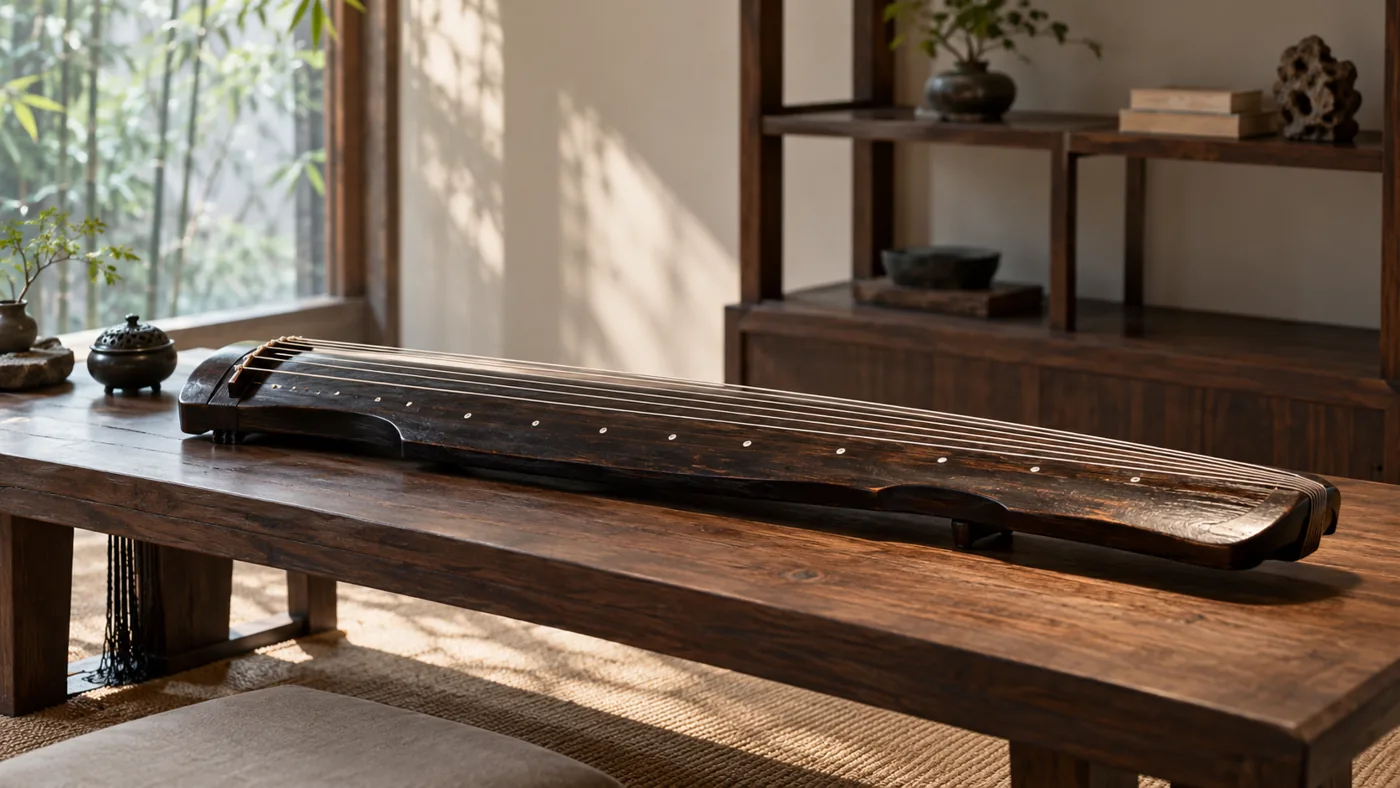
Imagined editorial illustration accompanying Guqin and its music; consult the separately credited reference image for documentary context.

Imagined editorial illustration accompanying Guqin and its music; consult the separately credited reference image for documentary context.

Credit: AI-generated with OpenAI image_gen for Culture Ark.
Rights: Generated output; no exclusive ownership or copyrightability warranty; underlying cultural practices and third-party rights remain separate..

Historical / contextual reference
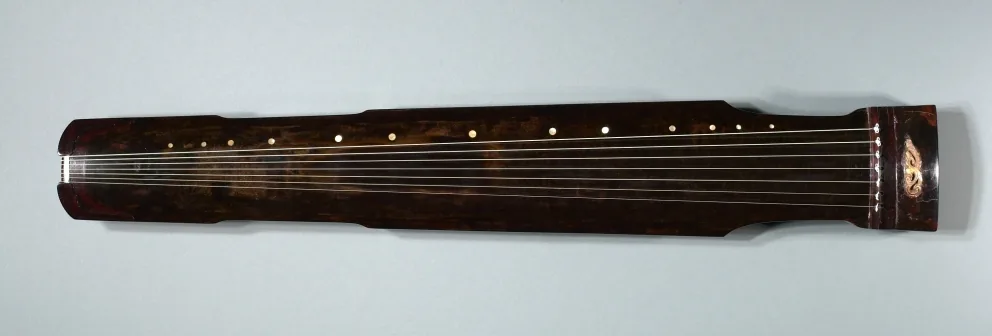
The guqin Lingfeng Shenyun in Zhongni form, as identified in the source record.

The guqin Lingfeng Shenyun in Zhongni form, as identified in the source record.

Credit: The original uploader was CharlieHuang at English Wikipedia..
Rights: CC BY-SA 3.0.

Open original image record · Read image licence

An Artificial Mind Hive project by Austin Little · artificialmindhive.com

!Imagined editorial illustration accompanying Guqin and its music; consult the separately credited reference image for documentary context.

Culture Ark · Browse the gallery · Guqin and its music in the gallery · 60 illustrated picks on Apiary

CA0023 · music

Creator/community: Chinese guqin musicians and teaching lineages Place/era: China; long historical tradition, continuing today

Generated interpretation

Imagined editorial illustration accompanying Guqin and its music; consult the separately credited reference image for documentary context.

Imagined editorial illustration accompanying Guqin and its music; consult the separately credited reference image for documentary context. Credit: AI-generated with OpenAI image_gen for Culture Ark. Rights: Generated output; no exclusive ownership or copyrightability warranty; underlying cultural practices and third-party rights remain separate.. Changes: Resized within1400px and converted to WebP; no crop or substantive alteration.

Fictional people and settings; no claim of community endorsement, cultural permission or photographic authenticity. Sacred/private ceremonies are not depicted. Generated instrument details must not be used for technical identification.

Documented reference / existing artwork

The guqin Lingfeng Shenyun in Zhongni form, as identified in the source record.

The guqin Lingfeng Shenyun in Zhongni form, as identified in the source record. Credit: The original uploader was CharlieHuang at English Wikipedia.. Rights: CC BY-SA 3.0. Changes: Resized within1400px and converted to WebP; no crop or substantive alteration. Image source Image licence

Reuse terms apply to this image only. Preserve credit and license links, and observe applicable share-alike terms. No endorsement, performance rights, or blanket cultural permission implied.

History and context

The guqin is a seven-string zither associated with Chinese intellectual and musical history. UNESCO describes an art cultivated in intimate settings by scholars and noblemen, alongside calligraphy, painting and board-game learning. Its sound changes through open strings, stopped strings and harmonics, with sliding and ornamentation adding further expressive detail. A listener expecting only loudness or spectacle could miss the importance of touch and subtle color. This entry preserves the instrument as a practice of attention, not merely a prestigious antique. It also asks future readers to notice that the historical social standing of an art can shape who gets to learn and perform it.

What future readers can learn

Curatorial interpretation: Compare different ways of producing one pitch and ask what a culture values when it prizes an intimate musical encounter.

Limits and cultural context

Historical elite associations do not define every present-day player. Dated UNESCO performer counts are deliberately omitted.

Where to learn more

Continue exploring

Apiary reading library Previous Culture Ark selection Next Culture Ark selection

Culture Ark is a curated archive, not a universal ranking. Interpretive images and source evidence serve different roles.


Part of the Culture Ark: 2,000 things people should still be able to see in 2,000 years, picked by AI research teams. Browse the gallery. The Culture Ark is an Artificial Mind Hive (AMH) project. AMH is owned by Austin Little.

Frequently asked
What is Guqin and its music · Culture Ark about?
!Imagined editorial illustration accompanying Guqin and its music; consult the separately credited reference image for documentary context.
What should you know about generated interpretation?
Imagined editorial illustration accompanying Guqin and its music; consult the separately credited reference image for documentary context. Credit: AI-generated with OpenAI image_gen for Culture Ark. Rights: Generated output; no exclusive ownership or copyrightability warranty; underlying cultural practices and…
What should you know about documented reference / existing artwork?
The guqin Lingfeng Shenyun in Zhongni form, as identified in the source record. Credit: The original uploader was CharlieHuang at English Wikipedia.. Rights: CC BY-SA 3.0. Changes: Resized within1400px and converted to WebP; no crop or substantive alteration. Image source Image licence
What should you know about history and context?
The guqin is a seven-string zither associated with Chinese intellectual and musical history. UNESCO describes an art cultivated in intimate settings by scholars and noblemen, alongside calligraphy, painting and board-game learning. Its sound changes through open strings, stopped strings and harmonics, with sliding…
What should you know about what future readers can learn?
Curatorial interpretation: Compare different ways of producing one pitch and ask what a culture values when it prizes an intimate musical encounter.
References & sources
  1. Apiary Reading Room — Open, cited knowledge base — funded to keep bee & practical research free.
From the Apiary Reading Room. Opinion & editorial — not financial advice. We don't overclaim.
More from the Reading Room