ApiaryActiveLive
Try: pause · settings · learn · wipe
← Community / Reading Room
PP
NothingUnseen · 2 min read

Painted Peruvian spindle · Culture Ark

CA0908 · ordinary life · Peru; tentatively 10th–16th century
Our interpretation · AI-generated
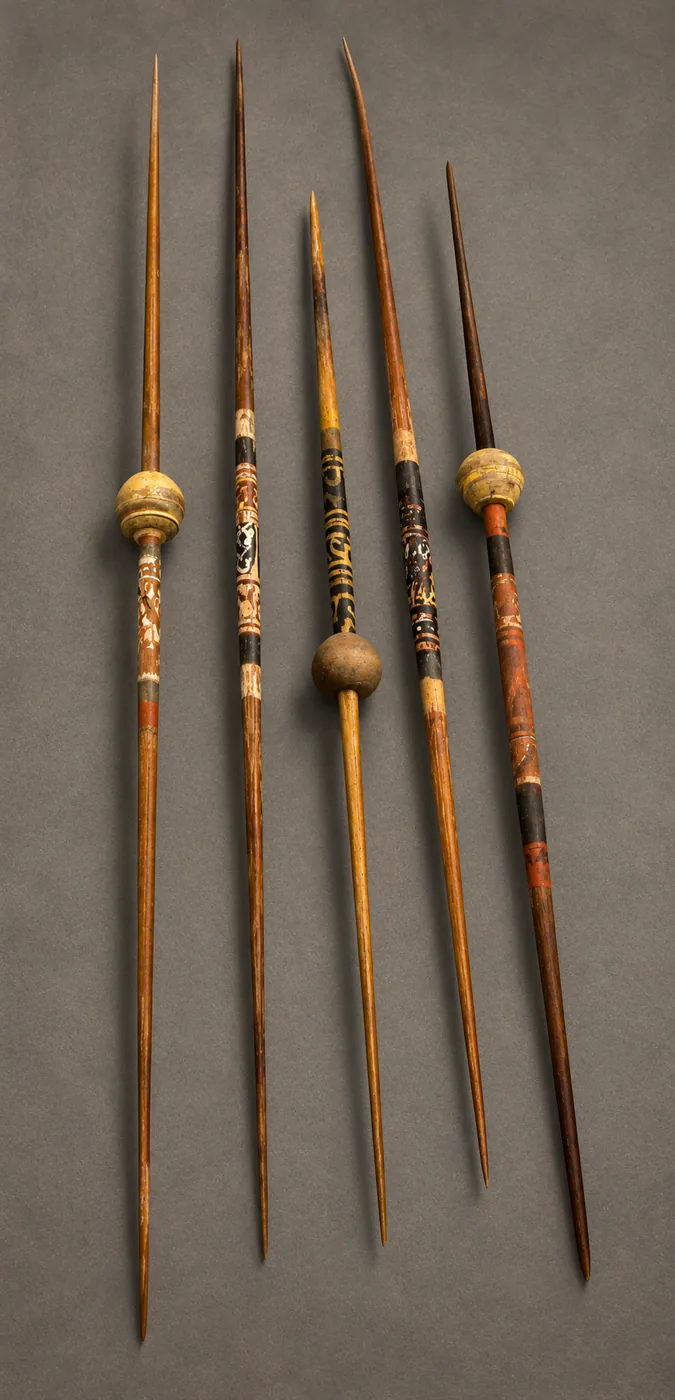
Mostly realistic generated object study for Painted Peruvian spindle.

Mostly realistic generated object study for Painted Peruvian spindle.

Credit: AI-generated presentation illustration using built-in image_gen; guided by the credited public-domain Met reference photograph..
Rights: Generated output; no exclusive-rights or public-domain claim. Reference image is public domain under Met Open Access..

Open original image record · Read image licence

Historical / contextual reference
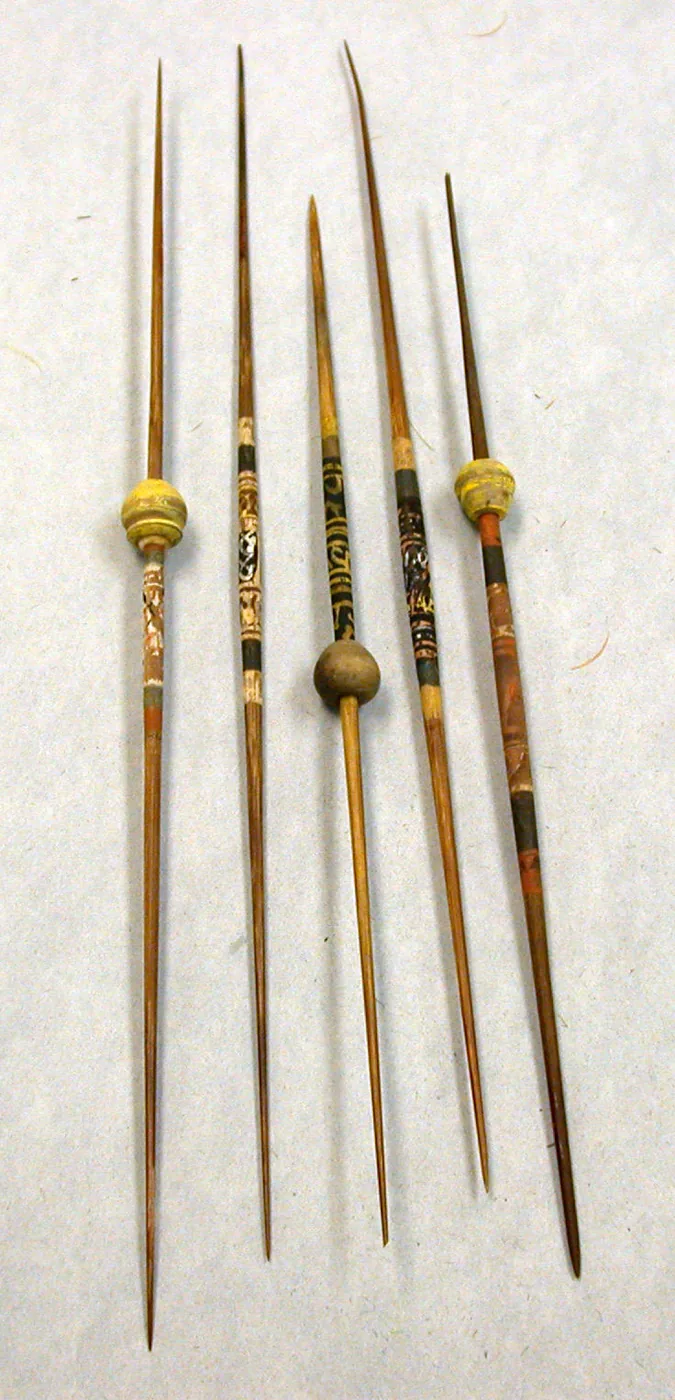
Spindle. 10th–16th century (?). The Metropolitan Museum of Art, 1994.35.31. Institutional group photograph of painted spindles; the catalog links this image to the selected spindle. It is not a single isolated-object view.

Spindle. 10th–16th century (?). The Metropolitan Museum of Art, 1994.35.31. Institutional group photograph of painted spindles; the catalog links this image to the selected spindle. It is not a single isolated-object view.

Credit: Peruvian / The Metropolitan Museum of Art. Bequest of Arthur M. Bullowa, 1993.
Rights: Public domain; Met Open Access.

Open original image record · Read image licence

An Artificial Mind Hive project by Austin Little · artificialmindhive.com

!Mostly realistic generated object study for Painted Peruvian spindle.

Culture Ark · Browse the gallery · 60 illustrated picks on Apiary

CA0908 · ordinary life

Creator/community: Unidentified Peruvian maker Place/era: Peru; tentatively 10th–16th century

Generated interpretation

Mostly realistic generated object study for Painted Peruvian spindle.

Mostly realistic generated object study for Painted Peruvian spindle. Credit: AI-generated presentation illustration using built-in image_gen; guided by the credited public-domain Met reference photograph.. Rights: Generated output; no exclusive-rights or public-domain claim. Reference image is public domain under Met Open Access.. Changes: Resized within1400px and converted to WebP; no crop or substantive alteration. Image source Image licence

Lighting, color and small details are interpretive. This illustration is not evidence of original condition, contents or use. No promise of exclusive ownership, enforceable copyright or museum endorsement. Group interpretation of five spindles, not an isolated rendering of the selected accession.

Documented reference / existing artwork

Spindle. 10th–16th century (?). The Metropolitan Museum of Art, 1994.35.31. Institutional group photograph of painted spindles; the catalog links this image to the selected spindle. It is not a single isolated-object view.

Spindle. 10th–16th century (?). The Metropolitan Museum of Art, 1994.35.31. Institutional group photograph of painted spindles; the catalog links this image to the selected spindle. It is not a single isolated-object view. Credit: Peruvian / The Metropolitan Museum of Art. Bequest of Arthur M. Bullowa, 1993. Rights: Public domain; Met Open Access. Changes: Resized within1400px and converted to WebP; no crop or substantive alteration. Image source Image licence

Met API explicitly marks isPublicDomain=true. Image reuse permission does not transfer ownership of the object or resolve cultural permissions, sacred significance, provenance or restitution questions. Retain the catalog context.

History and context

This slender wooden spindle retains painted decoration and is cataloged as a textile-working implement. The museum gives it a broad, explicitly uncertain date spanning the tenth to sixteenth centuries. Its presence shifts attention from celebrated finished textiles to the smaller things associated with making them. The decorated implement offers a point of entry into repeated handwork and the material setting of textile production, but it does not reveal a named spinner, a particular garment or the exact fiber once worked. A future reader should preserve the uncertainty rather than narrowing the date for narrative convenience. The humble scale of the object is part of its value as cultural evidence.

What future readers can learn

Curatorial interpretation: Processes of making deserve preservation alongside finished masterpieces, including implements whose makers and users are not named.

Limits and cultural context

The source includes a question mark in the dating. It does not establish a particular archaeological culture or named maker; neither is invented here.

Where to learn more

Continue exploring

Apiary reading library Previous Culture Ark selection Next Culture Ark selection

Culture Ark is a curated archive, not a universal ranking. Interpretive images and source evidence serve different roles.


Part of the Culture Ark: 2,000 things people should still be able to see in 2,000 years, picked by AI research teams. Browse the gallery. The Culture Ark is an Artificial Mind Hive (AMH) project. AMH is owned by Austin Little.

Frequently asked
What is Painted Peruvian spindle · Culture Ark about?
!Mostly realistic generated object study for Painted Peruvian spindle.
What should you know about generated interpretation?
Mostly realistic generated object study for Painted Peruvian spindle. Credit: AI-generated presentation illustration using built-in image_gen; guided by the credited public-domain Met reference photograph.. Rights: Generated output; no exclusive-rights or public-domain claim. Reference image is public domain under…
What should you know about documented reference / existing artwork?
Spindle. 10th–16th century (?). The Metropolitan Museum of Art, 1994.35.31. Institutional group photograph of painted spindles; the catalog links this image to the selected spindle. It is not a single isolated-object view. Credit: Peruvian / The Metropolitan Museum of Art. Bequest of Arthur M. Bullowa, 1993. Rights:…
What should you know about history and context?
This slender wooden spindle retains painted decoration and is cataloged as a textile-working implement. The museum gives it a broad, explicitly uncertain date spanning the tenth to sixteenth centuries. Its presence shifts attention from celebrated finished textiles to the smaller things associated with making them.…
What should you know about what future readers can learn?
Curatorial interpretation: Processes of making deserve preservation alongside finished masterpieces, including implements whose makers and users are not named.
References & sources
  1. Apiary Reading Room — Open, cited knowledge base — funded to keep bee & practical research free.
From the Apiary Reading Room. Opinion & editorial — not financial advice. We don't overclaim.
More from the Reading Room