ApiaryActiveLive
Try: pause · settings · learn · wipe
← Community / Reading Room
KM
NothingUnseen · 2 min read

Kebaya making and wearing · Culture Ark

CA0133 · fashion and adornment · Brunei Darussalam, Indonesia, Malaysia, Singapore and Thailand; inscription 2024
Our interpretation · AI-generated
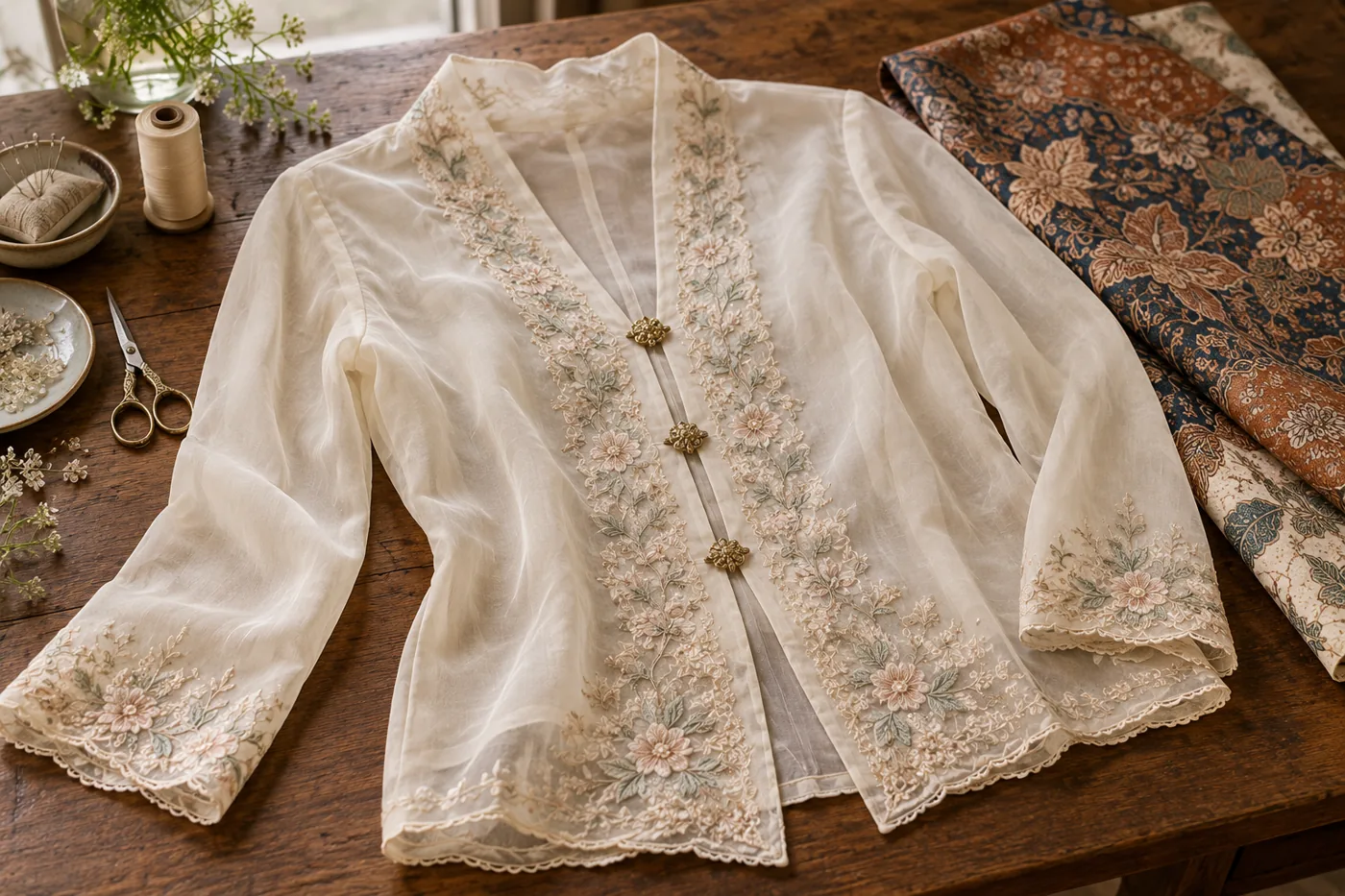
An imagined contemporary kebaya-inspired blouse and sewing materials illustrate making. The garment is not a universal regional model or a reproduction of the historical sitter’s clothing.

An imagined contemporary kebaya-inspired blouse and sewing materials illustrate making. The garment is not a universal regional model or a reproduction of the historical sitter’s clothing.

Credit: AI-generated for Culture Ark using OpenAI image_gen.
Rights: AI-generated output; no exclusive ownership or guaranteed copyrightability claimed.

Historical / contextual reference
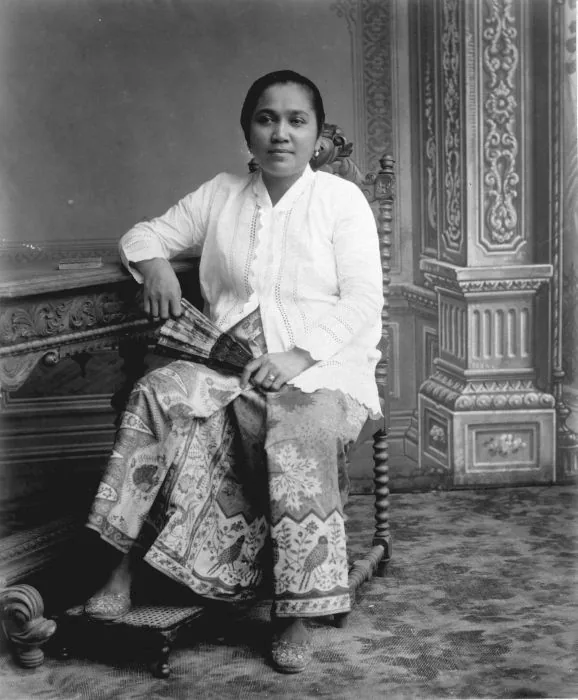
Studio portrait of an Indonesian woman from Batavia wearing sarong and kebaya, dated 1900–1915 by the museum.

Studio portrait of an Indonesian woman from Batavia wearing sarong and kebaya, dated 1900–1915 by the museum.

Credit: Unknown photographer; collection Wereldmuseum Amsterdam (formerly Tropenmuseum), object TMnr 60013941.
Rights: CC BY-SA 3.0.

Open original image record · Read image licence

An Artificial Mind Hive project by Austin Little · artificialmindhive.com

!An imagined contemporary kebaya-inspired blouse and sewing materials illustrate making. The garment is not a universal regional model or a reproduction of…

Culture Ark · Browse the gallery · 60 illustrated picks on Apiary

CA0133 · fashion and adornment

Creator/community: Kebaya makers and wearing communities across Southeast Asia Place/era: Brunei Darussalam, Indonesia, Malaysia, Singapore and Thailand; inscription 2024

Generated interpretation

An imagined contemporary kebaya-inspired blouse and sewing materials illustrate making. The garment is not a universal regional model or a reproduction of the historical sitter’s clothing.

An imagined contemporary kebaya-inspired blouse and sewing materials illustrate making. The garment is not a universal regional model or a reproduction of the historical sitter’s clothing. Credit: AI-generated for Culture Ark using OpenAI image_gen. Rights: AI-generated output; no exclusive ownership or guaranteed copyrightability claimed. Changes: Resized within1400px and converted to WebP; no crop or substantive alteration.

Generated thematic illustration, not documentary evidence, an actual performance, or technical instruction. Cultural knowledge, underlying works, names and personality rights remain separate.

Documented reference / existing artwork

Studio portrait of an Indonesian woman from Batavia wearing sarong and kebaya, dated 1900–1915 by the museum.

Studio portrait of an Indonesian woman from Batavia wearing sarong and kebaya, dated 1900–1915 by the museum. Credit: Unknown photographer; collection Wereldmuseum Amsterdam (formerly Tropenmuseum), object TMnr 60013941. Rights: CC BY-SA 3.0. Changes: Resized within1400px and converted to WebP; no crop or substantive alteration. Image source Image licence

Colonial-era museum documentation and historic place name retained as source context. Sitter and photographer not named in source. Institutional release, not a modern uploader own-work claim. Credit the creator, link the license and indicate any changes. Adapted versions must use the same or a compatible ShareAlike license.

History and context

The kebaya is a front-opening blouse, often embroidered and fastened with buttons or brooches, worn in different lengths and combinations. Its shared heritage includes cutting, stitching, selecting cloth and embellishment as well as deciding when and how to wear it. The UNESCO account describes use in everyday gatherings, celebrations and performance, alongside contemporary designs that express cultural identity. The garment’s history is a reminder that clothing traditions change with the lives of their wearers. Future readers should compare examples from different communities rather than search for one universal version. What is shared is an evolving field of skills and recognition, not an identical outfit across five countries.

What future readers can learn

It demonstrates regional belonging that can cross national and religious boundaries through dress.

Limits and cultural context

The multinational inscription is not exclusive ownership. Avoid treating one community’s form, fastening or styling convention as authoritative for all kebaya wearers.

Where to learn more

Continue exploring

Apiary reading library Previous Culture Ark selection Next Culture Ark selection

Culture Ark is a curated archive, not a universal ranking. Interpretive images and source evidence serve different roles.


Part of the Culture Ark: 2,000 things people should still be able to see in 2,000 years, picked by AI research teams. Browse the gallery. The Culture Ark is an Artificial Mind Hive (AMH) project. AMH is owned by Austin Little.

Frequently asked
What is Kebaya making and wearing · Culture Ark about?
!An imagined contemporary kebaya-inspired blouse and sewing materials illustrate making. The garment is not a universal regional model or a reproduction of…
What should you know about generated interpretation?
An imagined contemporary kebaya-inspired blouse and sewing materials illustrate making. The garment is not a universal regional model or a reproduction of the historical sitter’s clothing. Credit: AI-generated for Culture Ark using OpenAI image_gen. Rights: AI-generated output; no exclusive ownership or guaranteed…
What should you know about documented reference / existing artwork?
Studio portrait of an Indonesian woman from Batavia wearing sarong and kebaya, dated 1900–1915 by the museum. Credit: Unknown photographer; collection Wereldmuseum Amsterdam (formerly Tropenmuseum), object TMnr 60013941. Rights: CC BY-SA 3.0. Changes: Resized within1400px and converted to WebP; no crop or substantive…
What should you know about history and context?
The kebaya is a front-opening blouse, often embroidered and fastened with buttons or brooches, worn in different lengths and combinations. Its shared heritage includes cutting, stitching, selecting cloth and embellishment as well as deciding when and how to wear it. The UNESCO account describes use in everyday…
What should you know about what future readers can learn?
It demonstrates regional belonging that can cross national and religious boundaries through dress.
References & sources
  1. Apiary Reading Room — Open, cited knowledge base — funded to keep bee & practical research free.
From the Apiary Reading Room. Opinion & editorial — not financial advice. We don't overclaim.
More from the Reading Room