Culture Ark · D-0496 · Games · Browse the gallery · The full 2,000-pick list
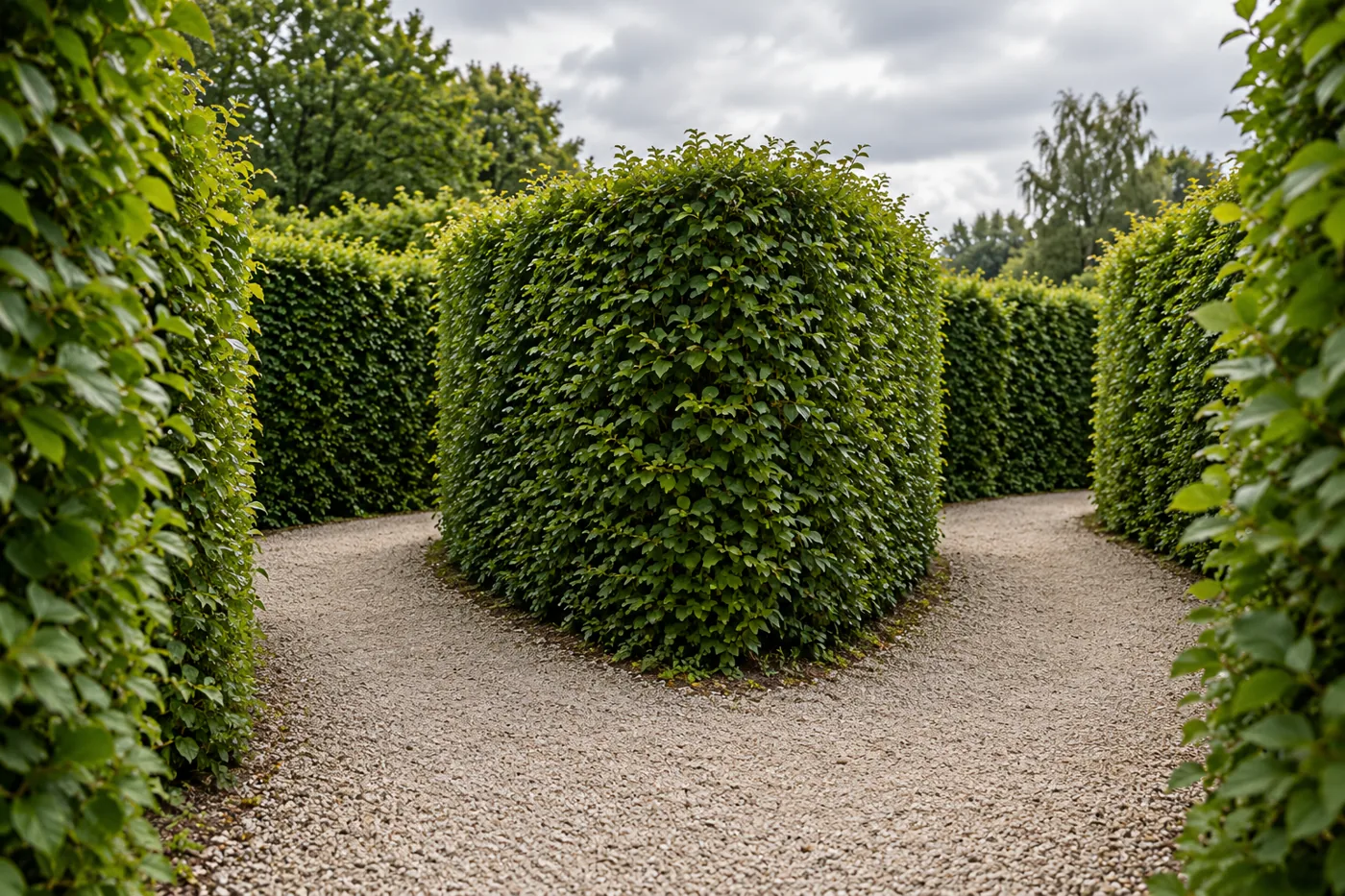
Generated interpretation, not documentary evidence. AI-generated path-choice scene; not Hampton Court, a Cretan site or an accurate maze plan.
Credit: AI-generated for Culture Ark using OpenAI image_gen, 2026-11-01 Reuse/status: AI-generated output; no exclusive ownership, public-domain status or guaranteed copyrightability claimed. Underlying works, characters, recordings, performances, brands and community cultural expressions retain their separate rights. The view does not disclose a complete route. Hedge species, dimensions and site condition are not verified; it is neither navigation advice nor a landscape construction design.
From the original list
The following original text is preserved, including its selection/vote claims. Preservation is not independent verification of every assertion.
Why: A puzzle of paths from Cretan myth to hedge gardens.
What to preserve: Hampton Court maze, labyrinth designs
Year and origin: ancient · Worldwide
Vote: 6/9 (historian 2 · future kid 2 · curator 2)
Learn more: Maze on Wikipedia
Supplemental context
The broad category “maze” needs more precise labels when individual examples are preserved. Historic Royal Palaces describes Hampton Court’s maze as a branching puzzle with turns and dead ends, commissioned around 1700 and designed by George London and Henry Wise. It distinguishes that form from a single winding path to a center. This helps prevent a garden puzzle, a labyrinth design and the Cretan story from becoming interchangeable evidence. An archive could preserve a dated plan alongside a participant’s account, making clear the difference between understanding a pattern from above and encountering choices at ground level.
Creator/community: Garden designers, puzzle makers and navigating communities; George London and Henry Wise for the Hampton Court example Place/era: Multiple traditions and eras; Hampton Court’s hedge maze commissioned around 1700 in England
Context and limits
The original “ancient · Worldwide” is not a single verified origin claim. Myth is not a surveyed archaeological plan. The opened source supports the Hampton Court example, not every labyrinth tradition. No current opening conditions, accessibility promises or navigable garden plan are supplied.
Where to learn more
- https://apiarybee.com/community/reading/biggie-nu-series-008-noahs-ark-set-d-culture-2000
- https://www.hrp.org.uk/hampton-court-palace/whats-on/the-maze/
- https://en.wikipedia.org/wiki/Maze
Apiary library | Original Culture Ark article
Public ID and individual routes: pending publisher allocation. Internal source ID: D-0496
Part of the Culture Ark: 2,000 things people should still be able to see in 2,000 years, picked by AI research teams. This page keeps the original list entry for D-0496 word for word and adds context. Browse the gallery. The Culture Ark is an Artificial Mind Hive (AMH) project. AMH is owned by Austin Little.

Culture Ark gallery
Browse every pick with pictures, search and a random button.
Open the gallery →