Culture Ark · D-0499 · Games · Browse the gallery · The full 2,000-pick list
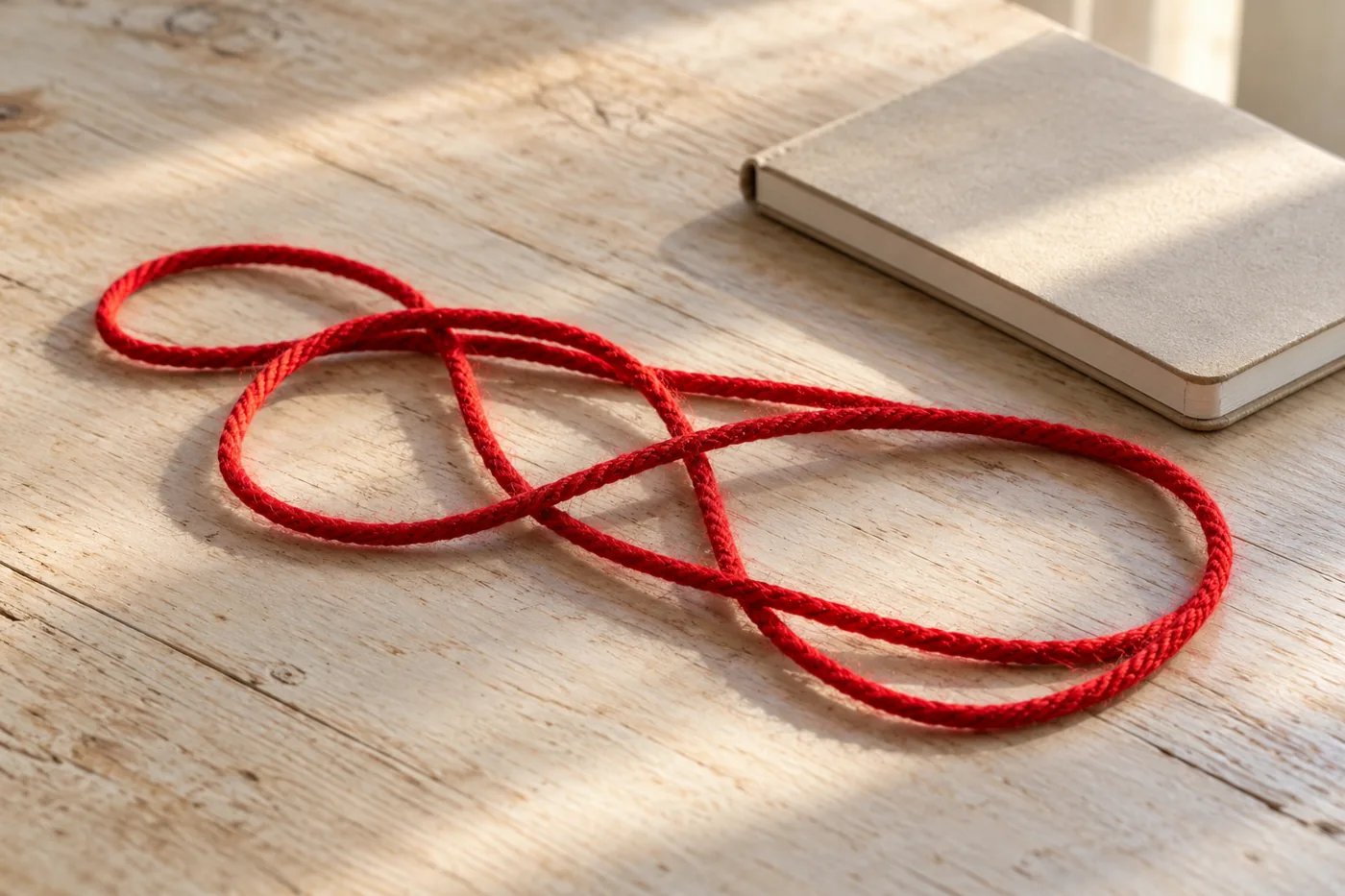
Generated interpretation, not documentary evidence. AI-generated material metaphor for string play; not a named cat’s-cradle figure, Inuit pattern, Māori whai or other community’s design.
Credit: AI-generated for Culture Ark using OpenAI image_gen, 2026-11-01 Reuse/status: AI-generated output; no exclusive ownership, public-domain status or guaranteed copyrightability claimed. Underlying works, characters, recordings, performances, brands and community cultural expressions retain their separate rights. The crossings are decorative and not validated as an executable figure. No hands, chants, community motifs or tying instructions are depicted.
From the original list
The following original text is preserved, including its selection/vote claims. Preservation is not independent verification of every assertion.
Why: String figures made across many cultures.
What to preserve: String-figure sequences, Inuit and Pacific figures
Year and origin: ancient · Worldwide
Vote: 6/9 (historian 2 · future kid 2 · curator 2)
Learn more: Cat's cradle on Wikipedia
Supplemental context
The English title Cat’s cradle should not turn all string-figure traditions into a single interchangeable game. Te Ara’s account of Māori whai describes patterns made with a loop of string, accompanying chants and repertoires associated with particular iwi. Some sequences communicate narratives as the shapes change. This is a clearly identified comparison, not a claim that whai, Inuit figures and every Pacific practice share the same names or permissions. A preservation plan should document the sequence, language and teaching relationship for each selected example, with community guidance, rather than collecting attractive final shapes without their context.
Creator/community: String-figure practitioners in distinct communities; Māori whai practitioners provide one separately named comparison Place/era: Multiple places and eras; Māori whai in Aotearoa New Zealand is a contextual comparison, not the origin of all cat’s-cradle games
Context and limits
The original “ancient · Worldwide” label does not establish a universal origin. No particular Inuit figure or other Pacific sequence has been verified or reproduced here. Māori examples require iwi-specific context; published documentation does not authorize unrestricted use of community knowledge or a practitioner’s recording.
Where to learn more
- https://apiarybee.com/community/reading/biggie-nu-series-008-noahs-ark-set-d-culture-2000
- https://teara.govt.nz/en/traditional-maori-games-nga-takaro/page-5
- https://en.wikipedia.org/wiki/Cat's_cradle
Apiary library | Original Culture Ark article
Public ID and individual routes: pending publisher allocation. Internal source ID: D-0499
Part of the Culture Ark: 2,000 things people should still be able to see in 2,000 years, picked by AI research teams. This page keeps the original list entry for D-0499 word for word and adds context. Browse the gallery. The Culture Ark is an Artificial Mind Hive (AMH) project. AMH is owned by Austin Little.

Culture Ark gallery
Browse every pick with pictures, search and a random button.
Open the gallery →