ApiaryActiveLive
Try: pause · settings · learn · wipe
← Community / Reading Room
WK
NothingUnseen · 2 min read

Wooden kohl tube with its applicator · Culture Ark

CA0911 · ordinary life · Egypt, Thebes; ca. 1550–1500 BCE
Our interpretation · AI-generated
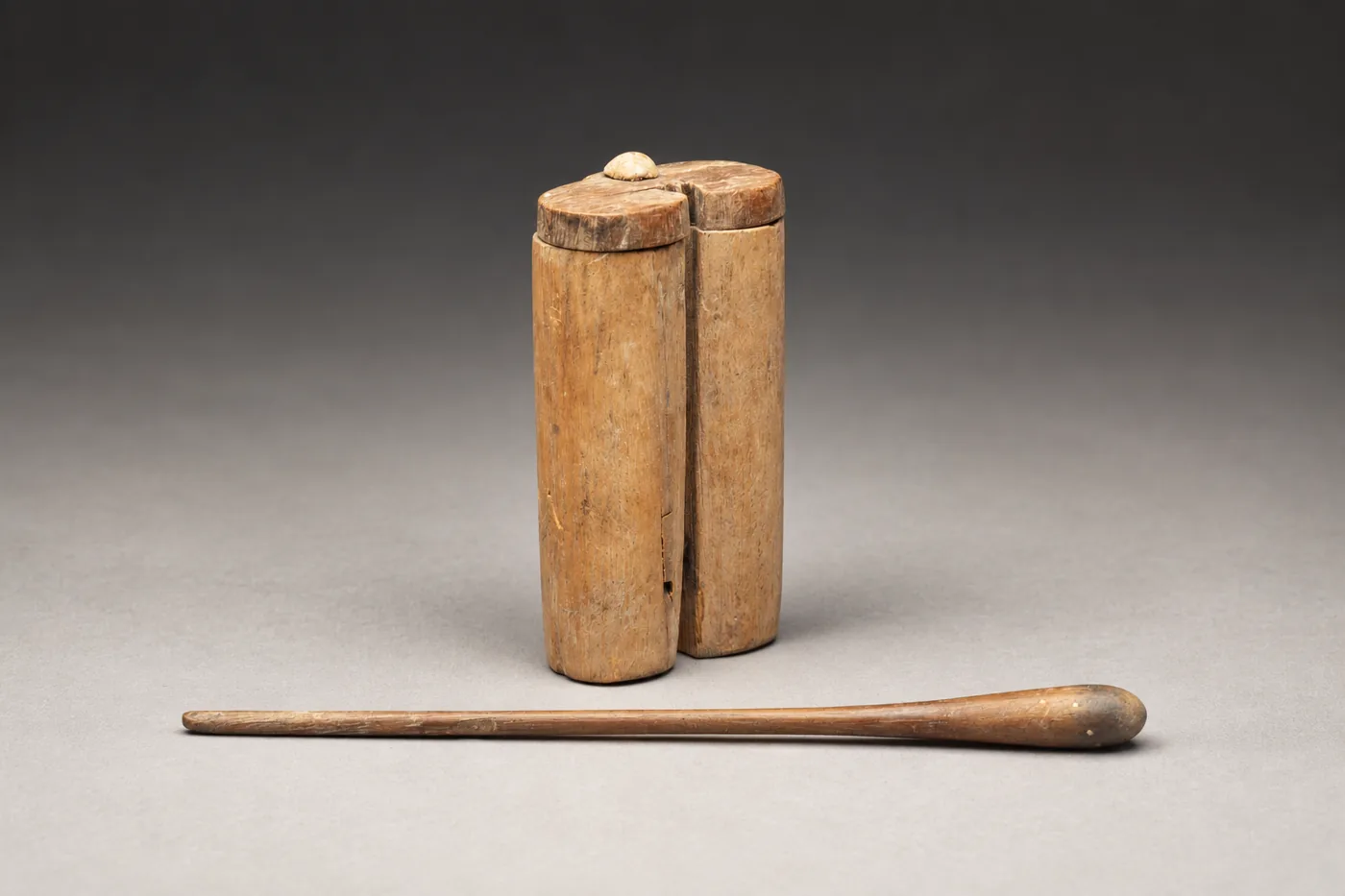
Mostly realistic generated object study for Wooden kohl tube with its applicator.

Mostly realistic generated object study for Wooden kohl tube with its applicator.

Credit: AI-generated presentation illustration using built-in image_gen; guided by the credited public-domain Met reference photograph..
Rights: Generated output; no exclusive-rights or public-domain claim. Reference image is public domain under Met Open Access..

Open original image record · Read image licence

Historical / contextual reference
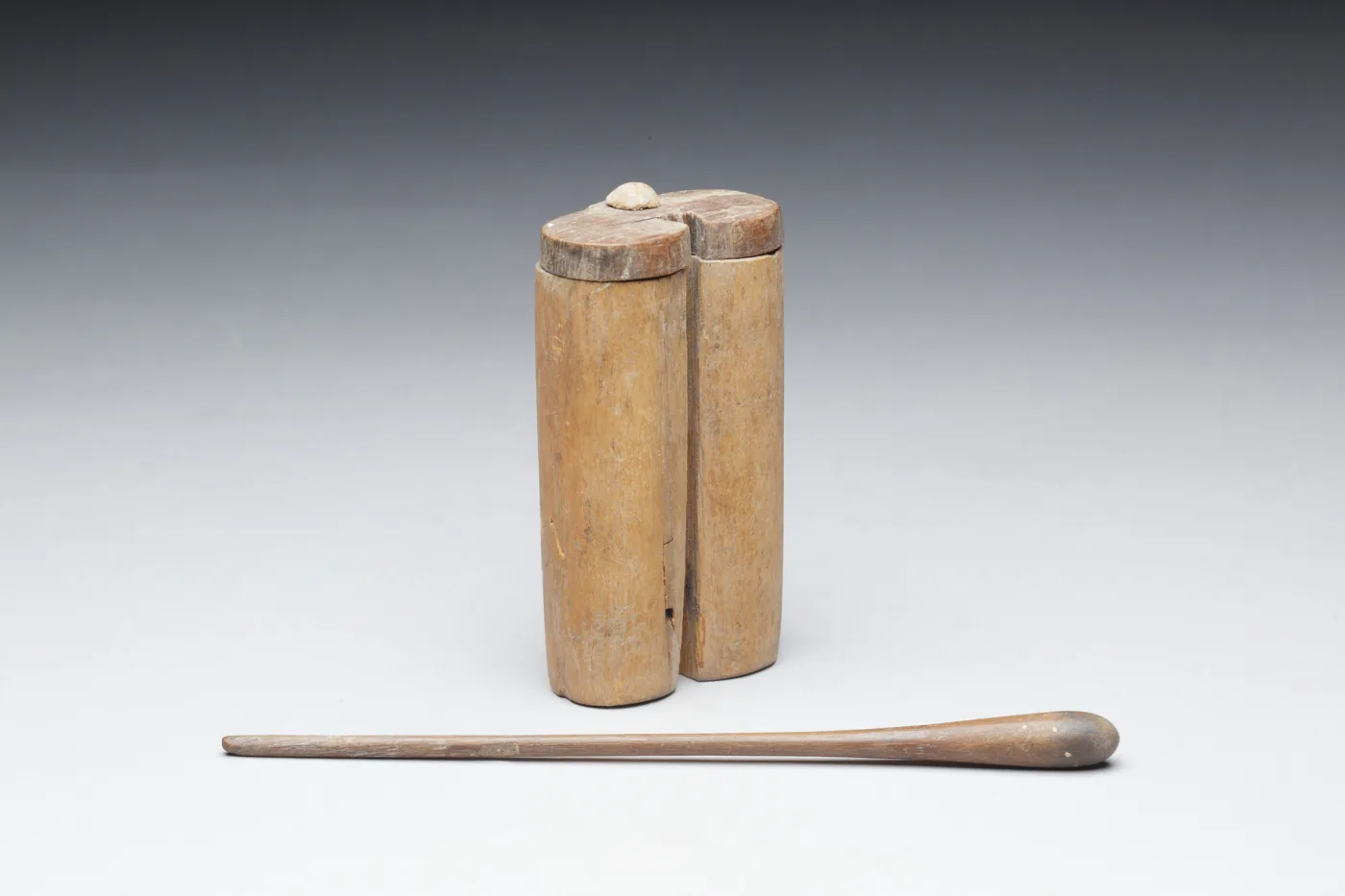
Kohl tube and stick. ca. 1550–1500 BCE. The Metropolitan Museum of Art, 31.3.96a, b.

Kohl tube and stick. ca. 1550–1500 BCE. The Metropolitan Museum of Art, 31.3.96a, b.

Credit: Unidentified artist / The Metropolitan Museum of Art. Rogers Fund, 1931.
Rights: Public domain; Met Open Access.

Open original image record · Read image licence

An Artificial Mind Hive project by Austin Little · artificialmindhive.com

!Mostly realistic generated object study for Wooden kohl tube with its applicator.

Culture Ark · Browse the gallery · 60 illustrated picks on Apiary

CA0911 · ordinary life

Creator/community: Unidentified Egyptian makers Place/era: Egypt, Thebes; ca. 1550–1500 BCE

Generated interpretation

Mostly realistic generated object study for Wooden kohl tube with its applicator.

Mostly realistic generated object study for Wooden kohl tube with its applicator. Credit: AI-generated presentation illustration using built-in image_gen; guided by the credited public-domain Met reference photograph.. Rights: Generated output; no exclusive-rights or public-domain claim. Reference image is public domain under Met Open Access.. Changes: Resized within1400px and converted to WebP; no crop or substantive alteration. Image source Image licence

Lighting, color and small details are interpretive. This illustration is not evidence of original condition, contents or use. No promise of exclusive ownership, enforceable copyright or museum endorsement.

Documented reference / existing artwork

Kohl tube and stick. ca. 1550–1500 BCE. The Metropolitan Museum of Art, 31.3.96a, b.

Kohl tube and stick. ca. 1550–1500 BCE. The Metropolitan Museum of Art, 31.3.96a, b. Credit: Unidentified artist / The Metropolitan Museum of Art. Rogers Fund, 1931. Rights: Public domain; Met Open Access. Changes: Resized within1400px and converted to WebP; no crop or substantive alteration. Image source Image licence

Met API explicitly marks isPublicDomain=true. Image reuse permission does not transfer ownership of the object or resolve cultural permissions, sacred significance, provenance or restitution questions. Retain the catalog context.

History and context

This small wooden cosmetic container survives together with an applicator, giving the archive a paired object rather than an isolated vessel. The museum identifies the materials as wood and ebony and records its discovery in an anonymous burial below the tomb of Senenmut at Thebes. Its form points to the preparation and application of eye cosmetics, an activity whose equipment could accompany the dead. The pairing is useful because it makes a bodily practice legible without relying on a modern reconstruction. At the same time, an archaeological find does not tell us the complete recipe, frequency of use, or personal preferences of the person buried with it.

What future readers can learn

Curatorial interpretation: Keeping related objects together can make gestures and routines more understandable than preserving containers alone.

Limits and cultural context

This entry does not repeat historical therapeutic claims for lead-containing cosmetics or offer a recipe. The burial’s occupant is unidentified.

Where to learn more

Continue exploring

Apiary reading library Previous Culture Ark selection

Culture Ark is a curated archive, not a universal ranking. Interpretive images and source evidence serve different roles.


Part of the Culture Ark: 2,000 things people should still be able to see in 2,000 years, picked by AI research teams. Browse the gallery. The Culture Ark is an Artificial Mind Hive (AMH) project. AMH is owned by Austin Little.

Frequently asked
What is Wooden kohl tube with its applicator · Culture Ark about?
!Mostly realistic generated object study for Wooden kohl tube with its applicator.
What should you know about generated interpretation?
Mostly realistic generated object study for Wooden kohl tube with its applicator. Credit: AI-generated presentation illustration using built-in image_gen; guided by the credited public-domain Met reference photograph.. Rights: Generated output; no exclusive-rights or public-domain claim. Reference image is public…
What should you know about documented reference / existing artwork?
Kohl tube and stick. ca. 1550–1500 BCE. The Metropolitan Museum of Art, 31.3.96a, b. Credit: Unidentified artist / The Metropolitan Museum of Art. Rogers Fund, 1931. Rights: Public domain; Met Open Access. Changes: Resized within1400px and converted to WebP; no crop or substantive alteration. Image source Image licence
What should you know about history and context?
This small wooden cosmetic container survives together with an applicator, giving the archive a paired object rather than an isolated vessel. The museum identifies the materials as wood and ebony and records its discovery in an anonymous burial below the tomb of Senenmut at Thebes. Its form points to the preparation…
What should you know about what future readers can learn?
Curatorial interpretation: Keeping related objects together can make gestures and routines more understandable than preserving containers alone.
References & sources
  1. Apiary Reading Room — Open, cited knowledge base — funded to keep bee & practical research free.
From the Apiary Reading Room. Opinion & editorial — not financial advice. We don't overclaim.
More from the Reading Room