Culture Ark · D-0886 · Internet culture · Browse the gallery · The full 2,000-pick list
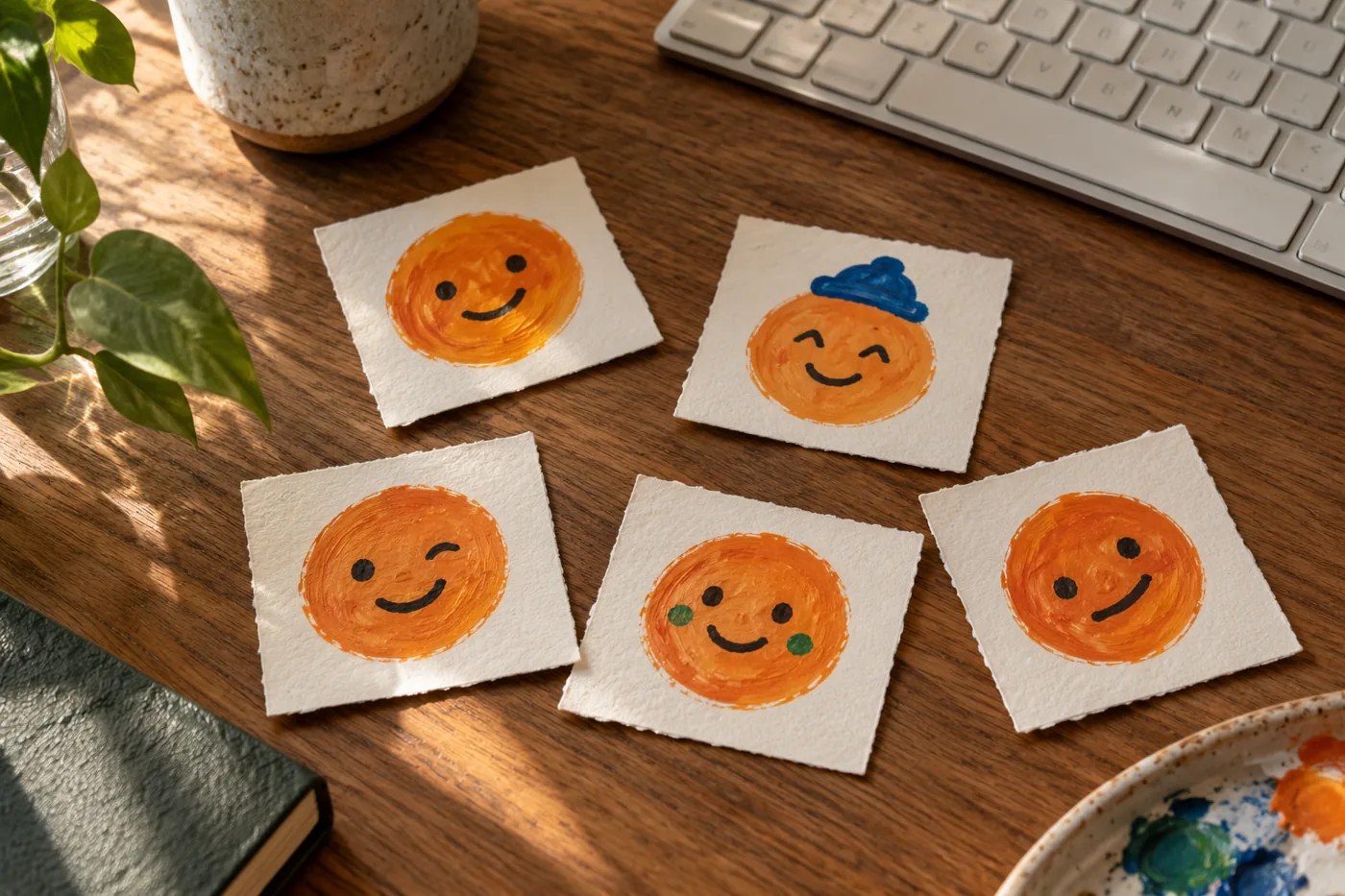
Generated interpretation, not documentary evidence. AI-generated metaphor for repetition with variation; not an actual archived meme family or an existing character reproduction.
Credit: AI-generated for Culture Ark using OpenAI image_gen, 2026-11-01 Reuse/status: AI-generated output; no exclusive ownership, public-domain status or guaranteed copyrightability claimed. Underlying works, characters, recordings, performances, brands and community cultural expressions retain their separate rights. These invented motifs have no documented online circulation or reception. Their resemblance as a group illustrates a curatorial idea, not evidence that they became memes.
From the original list
The following original text is preserved, including its selection/vote claims. Preservation is not independent verification of every assertion.
Why: Ideas that spread by copying online were the folk culture of the digital age.
What to preserve: definitions, classic examples, the word's history
Year and origin: 1993 · United States
Vote: 6/9 (historian 3 · future kid 2 · curator 1)
Learn more: Internet meme on Wikipedia
Supplemental context
An internet meme is more informative when preserved as a relationship among versions than as one isolated popular picture. MIT Press’s description of Limor Shifman’s Memes in Digital Culture emphasizes related material made with awareness of other versions and circulated through imitation and transformation. It also distinguishes that process from simply going viral. The publisher uses Gangnam Style and its adaptations as an example, showing why shared participation can matter as much as the source item. For future readers, a carefully chosen chain of versions, dates and contexts would reveal how people understood one another through repetition, alteration and reference.
Creator/community: Online participants who create, adapt, circulate and interpret related cultural materials Place/era: International networked communities; no single national or exact-date origin established here
Context and limits
The original 1993 United States origin is not certified here. The publisher description was read, not the full book. Memes are not necessarily harmless, universally understood or collectively owned. A preservation project should distinguish public circulation from permission, especially when an identifiable person becomes the subject of unwanted attention.
Where to learn more
- https://apiarybee.com/community/reading/biggie-nu-series-008-noahs-ark-set-d-culture-2000
- https://mitpress.mit.edu/9780262525435/memes-in-digital-culture/
- https://en.wikipedia.org/wiki/Internet_meme
Apiary library | Original Culture Ark article
Public ID and individual routes: pending publisher allocation. Internal source ID: D-0886
Part of the Culture Ark: 2,000 things people should still be able to see in 2,000 years, picked by AI research teams. This page keeps the original list entry for D-0886 word for word and adds context. Browse the gallery. The Culture Ark is an Artificial Mind Hive (AMH) project. AMH is owned by Austin Little.

Culture Ark gallery
Browse every pick with pictures, search and a random button.
Open the gallery →