Culture Ark · D-0453 · Games · Browse the gallery · The full 2,000-pick list
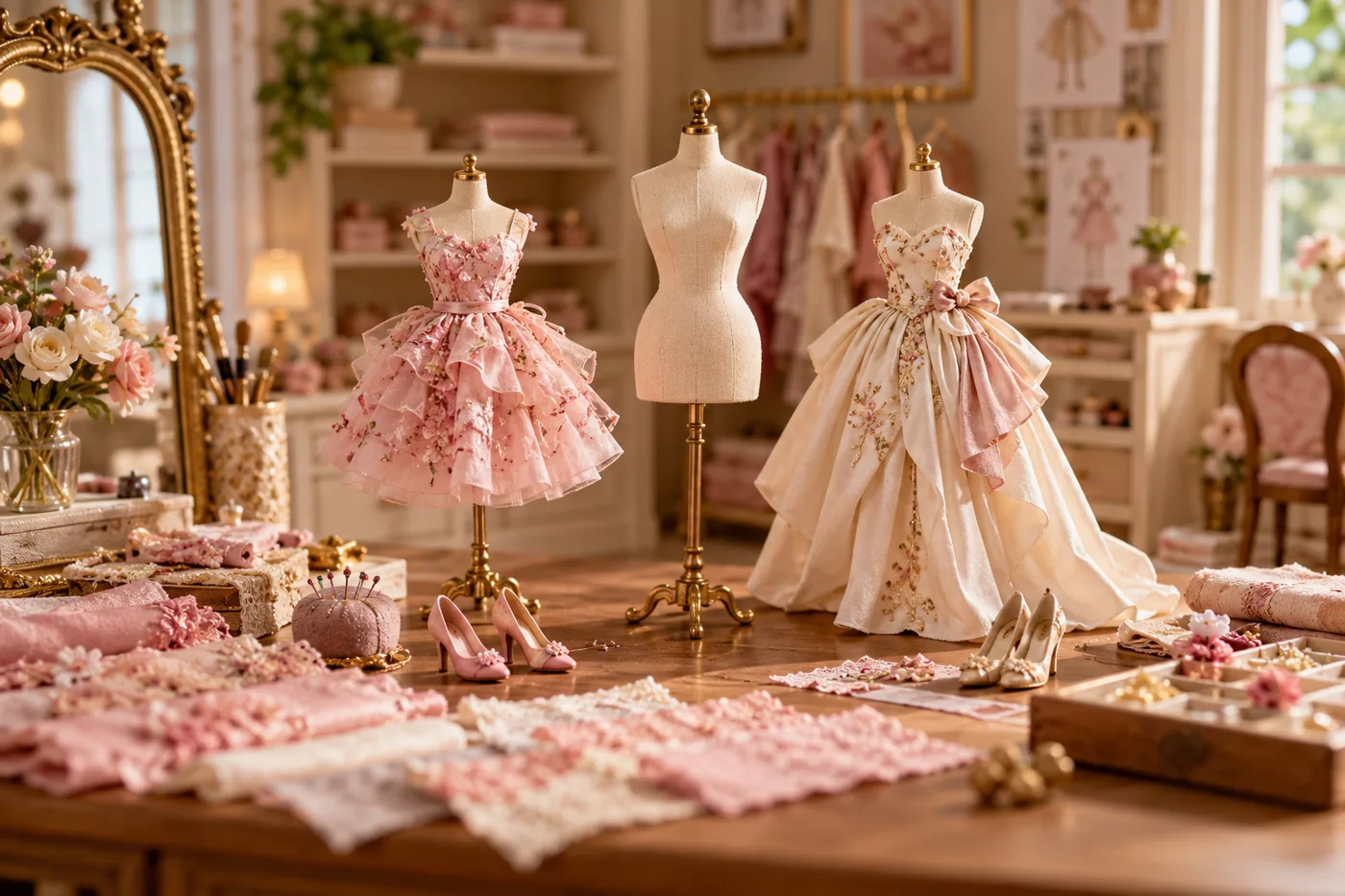
Generated interpretation, not documentary evidence. Invented doll-scale fashion atelier with empty dress forms and miniature garments, not actual Barbie products or a film still.
Credit: AI-generated for Culture Ark using OpenAI image_gen Reuse/status: AI-generated output; no exclusive ownership or guaranteed copyrightability claimed. Underlying works, marks and cultural permissions remain separate. Invented doll-scale fashion atelier with empty dress forms and miniature garments, not actual Barbie products or a film still. This selection concerns the doll and its broader cultural history; the 2023 film is a separate adaptation, not the doll's origin. A brand's ideals do not represent all women or all children. The generated miniature fashion studio contains no authenticated Barbie doll, original outfit or licensed product photograph.
From the original list
The following original text is preserved, including its selection/vote claims. Preservation is not independent verification of every assertion.
Why: A doll that mirrored and argued with ideals of womanhood for decades.
What to preserve: Dolls through the decades, the 2023 film
Year and origin: 1959 · United States
Vote: 8/9 (historian 3 · future kid 2 · curator 3)
Learn more: Barbie on Wikipedia
Supplemental context
Barbie is both a manufactured fashion doll and a framework through which children and adults have imagined roles, appearances and futures. The Library of Congress dates its introduction to March 9, 1959 at the New York toy fair and discusses Ruth Handler's observation of paper-doll play. It also identifies the influence of the German Bild Lilli doll, complicating a simple lone-inventor story. For future audiences, the doll's separately sold clothes and accessories can illuminate the relationship between imaginative play and consumer markets. Different dolls, advertisements and recollections should be preserved together, because no single example records every user's experience.
Creator/community: Ruth Handler; Mattel designers and the people who played with, collected and interpreted Barbie Place/era: United States; doll introduced 1959, followed by many versions and adaptations
Context and limits
This selection concerns the doll and its broader cultural history; the 2023 film is a separate adaptation, not the doll's origin. A brand's ideals do not represent all women or all children. The generated miniature fashion studio contains no authenticated Barbie doll, original outfit or licensed product photograph.
Where to learn more
- https://apiarybee.com/community/reading/biggie-nu-series-008-noahs-ark-set-d-culture-2000
- https://guides.loc.gov/this-month-in-business-history/march/ruth-handler-introduces-barbie
Apiary library | Original Culture Ark article
Public ID and individual routes: pending publisher allocation. Internal source ID: D-0453
Part of the Culture Ark: 2,000 things people should still be able to see in 2,000 years, picked by AI research teams. This page keeps the original list entry for D-0453 word for word and adds context. Browse the gallery. The Culture Ark is an Artificial Mind Hive (AMH) project. AMH is owned by Austin Little.

Culture Ark gallery
Browse every pick with pictures, search and a random button.
Open the gallery →