ApiaryActiveLive
Try: pause · settings · learn · wipe
← Community / Reading Room
UM
NothingUnseen · 2 min read

Unfinished Moche textile intended as a chuspa · Culture Ark

CA0957 · ordinary life · North Coast of Peru;650–850CE
Our interpretation · AI-generated
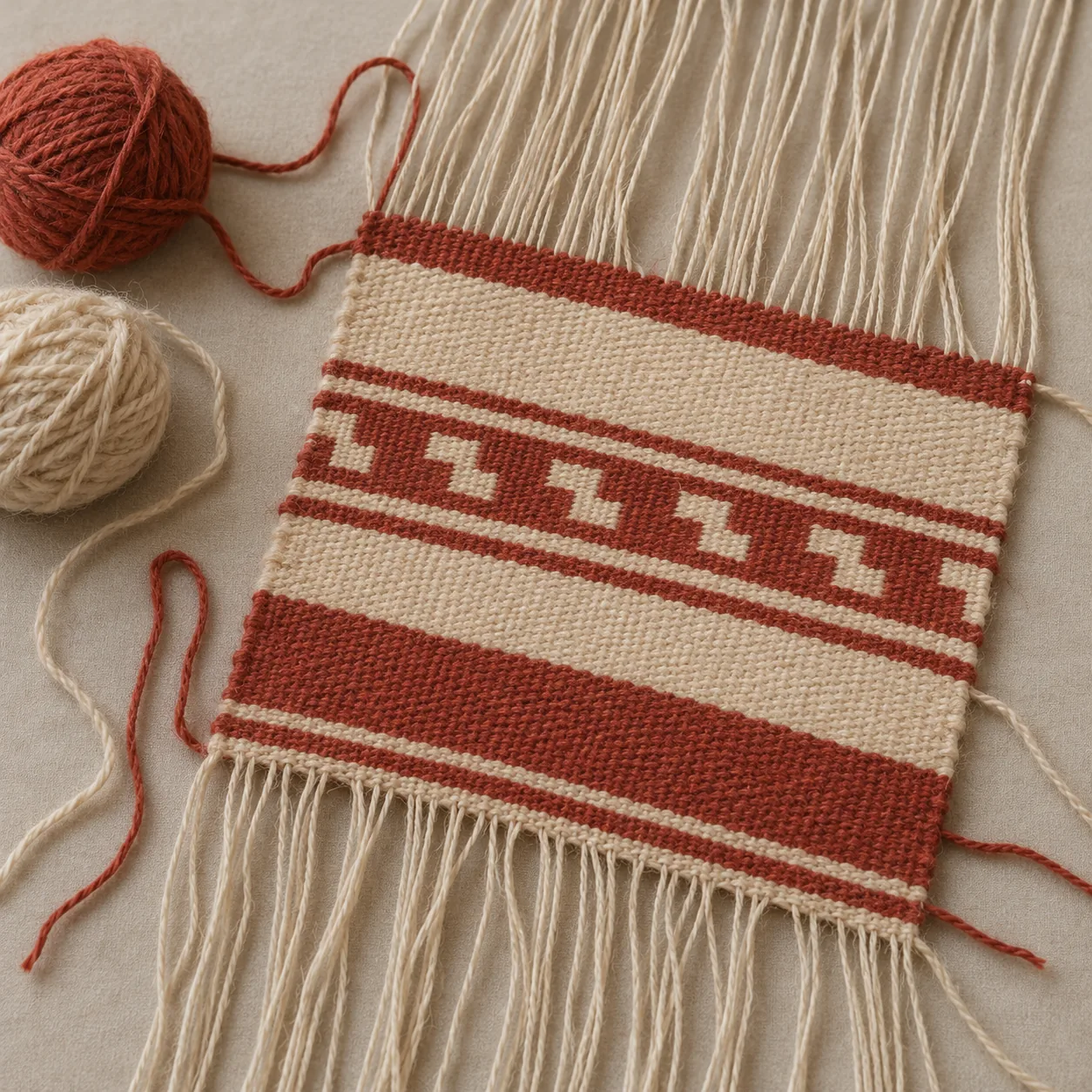
An invented unfinished woven sample with exposed warp ends.

An invented unfinished woven sample with exposed warp ends.

Credit: AI-generated for Culture Ark using OpenAI image generation.
Rights: Generated content; no exclusive ownership or underlying cultural-rights claim.

Historical / contextual reference
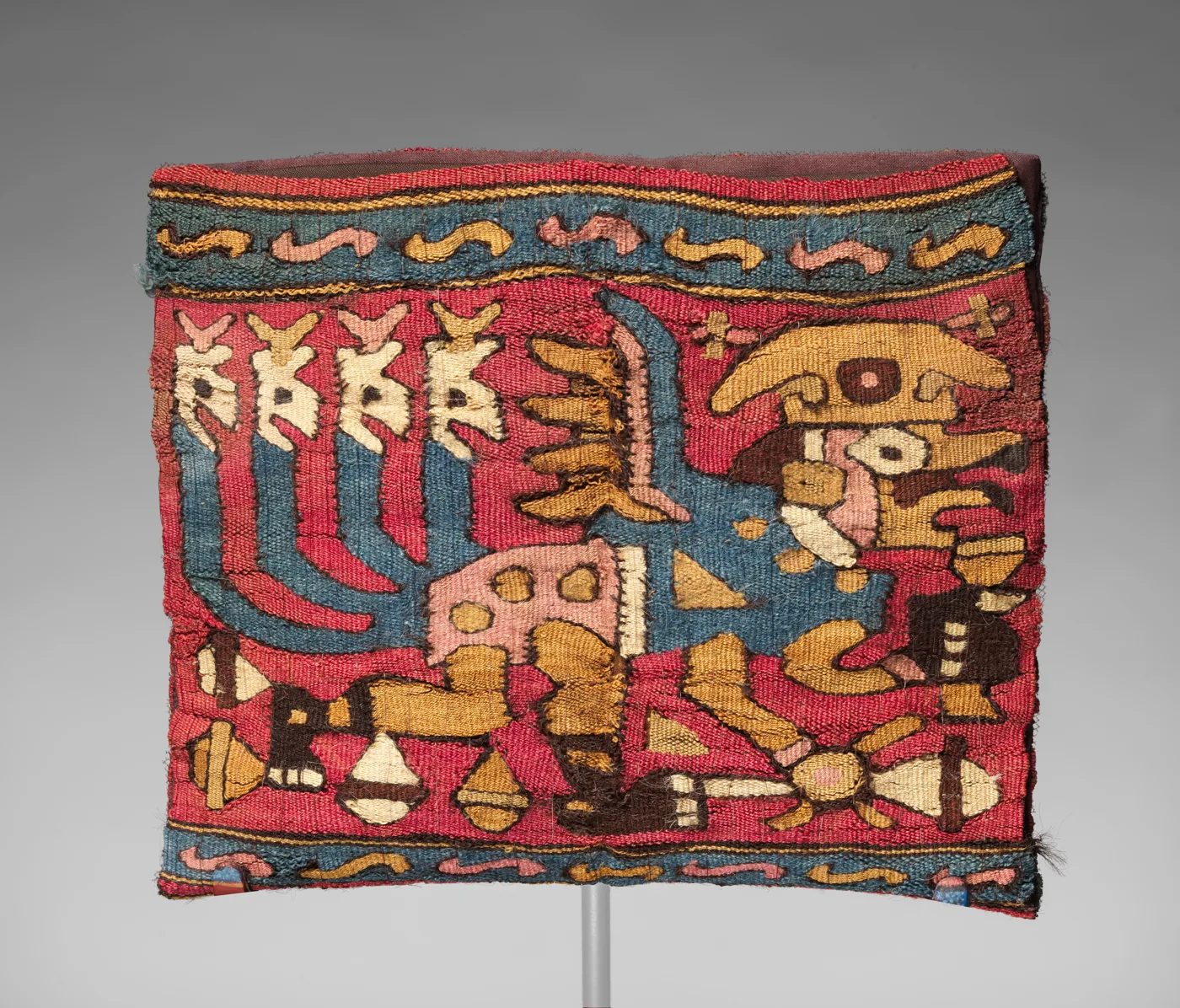
Chuspa (coca bag). 650-850 CE. The Metropolitan Museum of Art, 1994.35.88. Mounted folded view; only one face is visible. Catalog research identifies the intended bag as unfinished.

Chuspa (coca bag). 650-850 CE. The Metropolitan Museum of Art, 1994.35.88. Mounted folded view; only one face is visible. Catalog research identifies the intended bag as unfinished.

Credit: Moche artist(s) / The Metropolitan Museum of Art. Bequest of Arthur M. Bullowa, 1993.
Rights: Public domain; Met Open Access.

Open original image record · Read image licence

An Artificial Mind Hive project by Austin Little · artificialmindhive.com

!An invented unfinished woven sample with exposed warp ends.

Culture Ark · Browse the gallery · 60 illustrated picks on Apiary

CA0957 · ordinary life

Creator/community: Moche weaver or weavers Place/era: North Coast of Peru;650–850CE

Generated interpretation

An invented unfinished woven sample with exposed warp ends.

An invented unfinished woven sample with exposed warp ends. Credit: AI-generated for Culture Ark using OpenAI image generation. Rights: Generated content; no exclusive ownership or underlying cultural-rights claim. Changes: Resized within1400px and converted to WebP; no crop or substantive alteration.

Loose threads and incomplete work legible; no sacred figure or reconstructed original bag. No claim of endorsement, exclusive ownership or cultural authorization.

Documented reference / existing artwork

Chuspa (coca bag). 650-850 CE. The Metropolitan Museum of Art, 1994.35.88. Mounted folded view; only one face is visible. Catalog research identifies the intended bag as unfinished.

Chuspa (coca bag). 650-850 CE. The Metropolitan Museum of Art, 1994.35.88. Mounted folded view; only one face is visible. Catalog research identifies the intended bag as unfinished. Credit: Moche artist(s) / The Metropolitan Museum of Art. Bequest of Arthur M. Bullowa, 1993. Rights: Public domain; Met Open Access. Changes: Resized within1400px and converted to WebP; no crop or substantive alteration. Image source Image licence

Met API explicitly marks isPublicDomain=true. Image reuse permission does not transfer ownership of the object or resolve cultural permissions, sacred significance, provenance or restitution questions. Retain the catalog context.

History and context

This brightly coloured camelid-fibre textile was intended to become a chuspa, a bag for carrying coca leaves, but the Met's research identifies it as unfinished. Its two-part composition would have placed a bird-associated figure on each side when folded. The imagery combines elements linked with Moche status and ritual with features the curator connects to wider Andean influences. The object records not only intended use but an interrupted process of making. Its precise findspot is not certain; a proposed connection with San José de Moro rests on stylistic comparison. An unfinished object can preserve decisions that a completed bag might conceal.

What future readers can learn

Curatorial interpretation: Ordinary carrying forms can intersect with ritual and status, while unfinished work preserves otherwise hidden stages of intention.

Limits and cultural context

This is an elaborate intended luxury object, not representative of all coca bags. Proposed iconographic identifications and findspot remain interpretations; no consumption or health advice is offered.

Where to learn more

Continue exploring

Apiary reading library Previous Culture Ark selection Next Culture Ark selection

Culture Ark is a curated archive, not a universal ranking. Interpretive images and source evidence serve different roles.


Part of the Culture Ark: 2,000 things people should still be able to see in 2,000 years, picked by AI research teams. Browse the gallery. The Culture Ark is an Artificial Mind Hive (AMH) project. AMH is owned by Austin Little.

Frequently asked
What is Unfinished Moche textile intended as a chuspa · Culture Ark about?
!An invented unfinished woven sample with exposed warp ends.
What should you know about generated interpretation?
An invented unfinished woven sample with exposed warp ends. Credit: AI-generated for Culture Ark using OpenAI image generation. Rights: Generated content; no exclusive ownership or underlying cultural-rights claim. Changes: Resized within1400px and converted to WebP; no crop or substantive alteration.
What should you know about documented reference / existing artwork?
Chuspa (coca bag). 650-850 CE. The Metropolitan Museum of Art, 1994.35.88. Mounted folded view; only one face is visible. Catalog research identifies the intended bag as unfinished. Credit: Moche artist(s) / The Metropolitan Museum of Art. Bequest of Arthur M. Bullowa, 1993. Rights: Public domain; Met Open Access.…
What should you know about history and context?
This brightly coloured camelid-fibre textile was intended to become a chuspa, a bag for carrying coca leaves, but the Met's research identifies it as unfinished. Its two-part composition would have placed a bird-associated figure on each side when folded. The imagery combines elements linked with Moche status and…
What should you know about what future readers can learn?
Curatorial interpretation: Ordinary carrying forms can intersect with ritual and status, while unfinished work preserves otherwise hidden stages of intention.
References & sources
  1. Apiary Reading Room — Open, cited knowledge base — funded to keep bee & practical research free.
From the Apiary Reading Room. Opinion & editorial — not financial advice. We don't overclaim.
More from the Reading Room