ApiaryActiveLive
Try: pause · settings · learn · wipe
← Community / Reading Room
TH
NothingUnseen · 2 min read

Tlingit horn-and-copper feast spoon · Culture Ark

CA0905 · ordinary life · Alaska, Northwest Coast, North America; late 1800s–early 1900s
Our interpretation · AI-generated
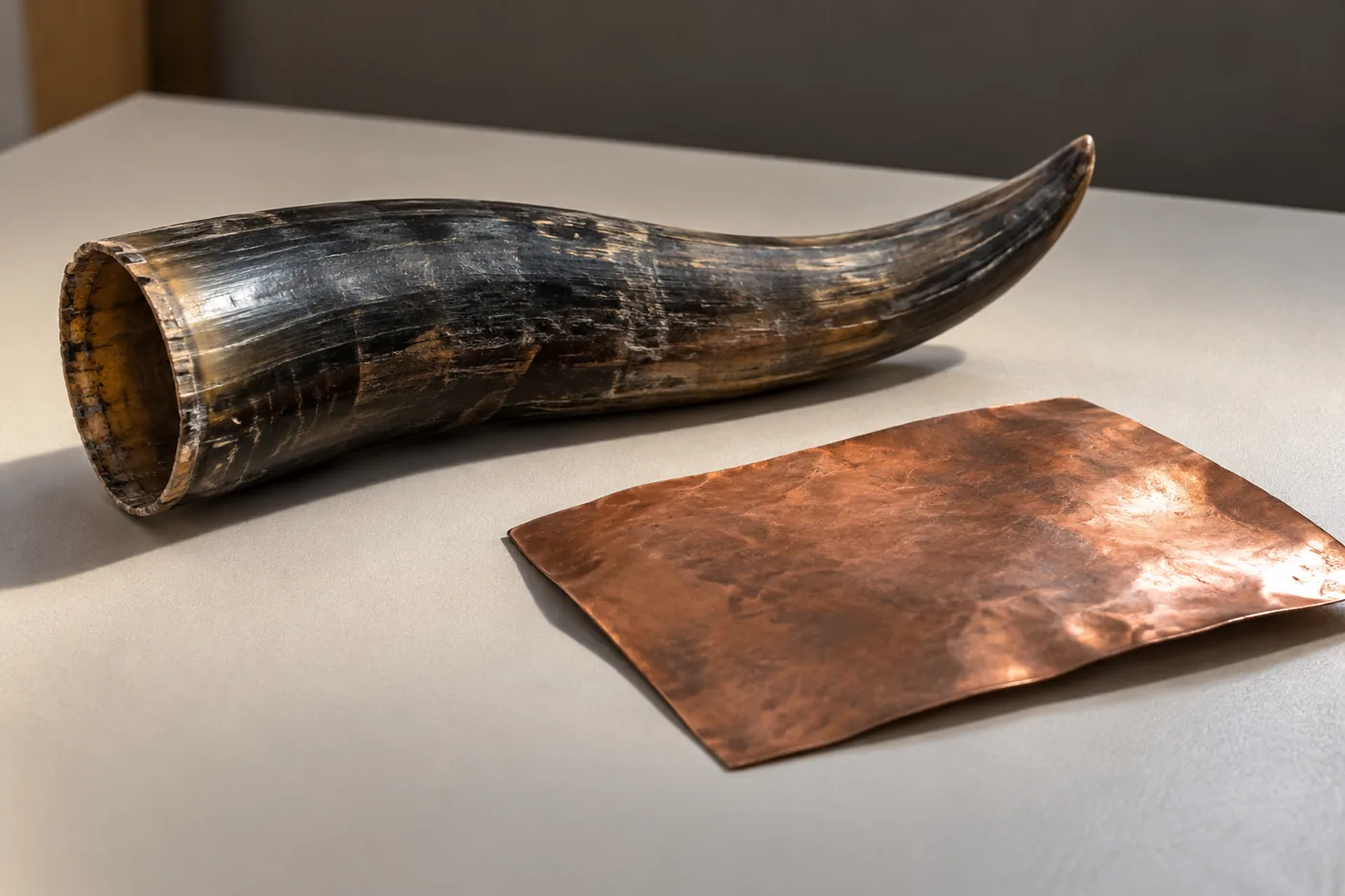
Imagined companion to Tlingit horn-and-copper feast spoon; does not document named people, a specific maker, owner, family, ritual or historical object.

Imagined companion to Tlingit horn-and-copper feast spoon; does not document named people, a specific maker, owner, family, ritual or historical object.

Credit: AI-generated with OpenAI image_gen for Culture Ark.
Rights: Generated output; no exclusive ownership or copyrightability warranty; underlying cultural practices and third-party rights remain separate..

An Artificial Mind Hive project by Austin Little · artificialmindhive.com

!Imagined companion to Tlingit horn-and-copper feast spoon; does not document named people, a specific maker, owner, family, ritual or historical object.

Culture Ark · Browse the gallery · 60 illustrated picks on Apiary

CA0905 · ordinary life

Creator/community: Unidentified Tlingit maker Place/era: Alaska, Northwest Coast, North America; late 1800s–early 1900s

Generated interpretation

Imagined companion to Tlingit horn-and-copper feast spoon; does not document named people, a specific maker, owner, family, ritual or historical object.

Imagined companion to Tlingit horn-and-copper feast spoon; does not document named people, a specific maker, owner, family, ritual or historical object. Credit: AI-generated with OpenAI image_gen for Culture Ark. Rights: Generated output; no exclusive ownership or copyrightability warranty; underlying cultural practices and third-party rights remain separate.. Changes: Resized within1400px and converted to WebP; no crop or substantive alteration.

No community endorsement or sacred authority implied. Imagined everyday settings and materials; not a functional construction guide or authenticated historical object.

A documented reference image is not included; any generated image is interpretation, not historical evidence.

History and context

This horn-and-copper spoon in Cleveland’s collection joins a broad bowl to a carved handle. The museum identifies wolf and raven heads and a beaver tail, while qualifying their possible role as family crests. Its interpretation places elaborate utensils in potlatch feasts, where valuable possessions could communicate the histories and rights of noble clans. The spoon thus challenges an archive that separates useful objects from culturally significant images. Eating implements could carry social relationships, not merely food. The particular motifs must remain attached to their Tlingit context rather than being offered as generic decorative patterns available for any invented cultural story.

What future readers can learn

Curatorial interpretation: A feast utensil can communicate kinship and rights, making dining a social and historical act rather than a purely biological one.

Limits and cultural context

The museum says the motifs may be crests; identification is not certain. Open image licensing does not erase community interests in hereditary designs.

Where to learn more

Continue exploring

Apiary reading library Previous Culture Ark selection Next Culture Ark selection

Culture Ark is a curated archive, not a universal ranking. Interpretive images and source evidence serve different roles.


Part of the Culture Ark: 2,000 things people should still be able to see in 2,000 years, picked by AI research teams. Browse the gallery. The Culture Ark is an Artificial Mind Hive (AMH) project. AMH is owned by Austin Little.

Frequently asked
What is Tlingit horn-and-copper feast spoon · Culture Ark about?
!Imagined companion to Tlingit horn-and-copper feast spoon; does not document named people, a specific maker, owner, family, ritual or historical object.
What should you know about generated interpretation?
Imagined companion to Tlingit horn-and-copper feast spoon; does not document named people, a specific maker, owner, family, ritual or historical object. Credit: AI-generated with OpenAI image_gen for Culture Ark. Rights: Generated output; no exclusive ownership or copyrightability warranty; underlying cultural…
What should you know about history and context?
This horn-and-copper spoon in Cleveland’s collection joins a broad bowl to a carved handle. The museum identifies wolf and raven heads and a beaver tail, while qualifying their possible role as family crests. Its interpretation places elaborate utensils in potlatch feasts, where valuable possessions could communicate…
What should you know about what future readers can learn?
Curatorial interpretation: A feast utensil can communicate kinship and rights, making dining a social and historical act rather than a purely biological one.
What should you know about limits and cultural context?
The museum says the motifs may be crests; identification is not certain. Open image licensing does not erase community interests in hereditary designs.
References & sources
  1. Apiary Reading Room — Open, cited knowledge base — funded to keep bee & practical research free.
From the Apiary Reading Room. Opinion & editorial — not financial advice. We don't overclaim.
More from the Reading Room