Culture Ark · D-0553 · Games · Browse the gallery · The full 2,000-pick list
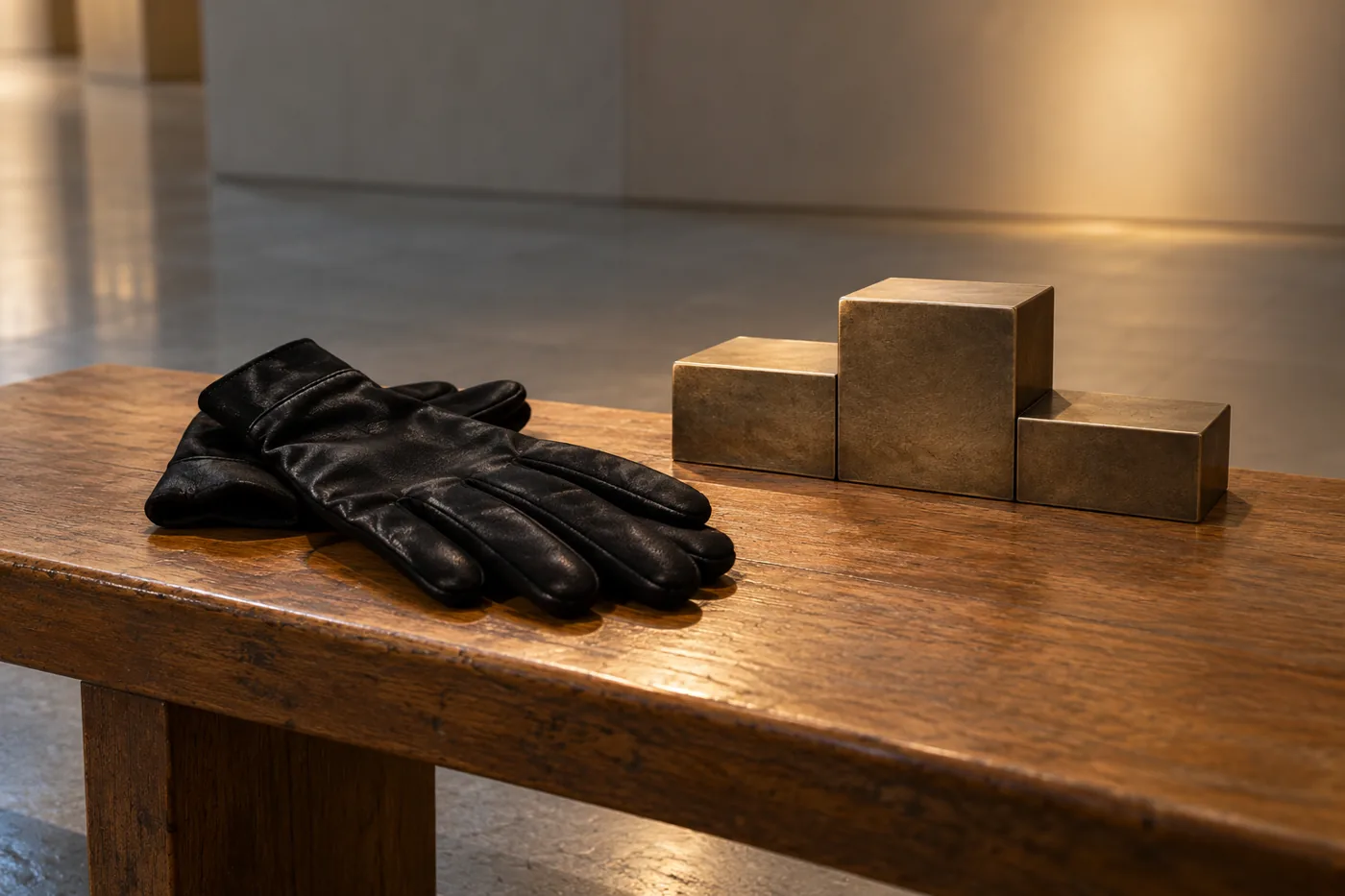
Generated interpretation, not documentary evidence. Invented black gloves and empty podium miniature, a symbolic tribute rather than an authentic 1968 object or photographic reenactment.
Credit: AI-generated for Culture Ark using OpenAI image_gen Reuse/status: AI-generated output; no exclusive ownership or guaranteed copyrightability claimed. Underlying works, marks and cultural permissions remain separate. Invented black gloves and empty podium miniature, a symbolic tribute rather than an authentic 1968 object or photographic reenactment. The familiar Black Power title does not replace the athletes' wider human-rights context. Smith and Carlos were sent home after the protest; later recognition should not erase that response. The symbolic gloves are not personal artifacts, and the miniature podium is not a reconstruction or substitute for the original photograph and testimony.
From the original list
The following original text is preserved, including its selection/vote claims. Preservation is not independent verification of every assertion.
Why: A raised-fist protest on the podium.
What to preserve: The photo, aftermath
Year and origin: 1968 · Mexico
Vote: 5/9 (historian 2 · future kid 1 · curator 2)
Learn more: 1968 Olympics Black Power salute on Wikipedia
Supplemental context
The raised-fist protest after the 1968 Olympic men's 200-metre race linked athletic achievement with a demand for racial equality. Tommie Smith won gold, Peter Norman silver and John Carlos bronze. The Australian Olympic Committee describes Smith and Carlos raising black-gloved fists and Norman wearing an Olympic Project for Human Rights badge in solidarity. Their actions show future audiences that a medal ceremony can be a contested public platform rather than merely a celebration of results. The National Museum of Australia's account of Norman's singlet also demonstrates how a surviving object can carry personal and political histories that are not exhausted by one famous photograph.
Creator/community: Tommie Smith and John Carlos; Peter Norman in solidarity; Olympic Project for Human Rights context Place/era: Mexico City, Mexico; men’s 200-metre medal ceremony, 1968
Context and limits
The familiar Black Power title does not replace the athletes' wider human-rights context. Smith and Carlos were sent home after the protest; later recognition should not erase that response. The symbolic gloves are not personal artifacts, and the miniature podium is not a reconstruction or substitute for the original photograph and testimony.
Where to learn more
- https://apiarybee.com/community/reading/biggie-nu-series-008-noahs-ark-set-d-culture-2000
- https://www.olympics.com.au/olympians/peter-norman/
- https://www.nma.gov.au/about/media/media-releases-listing-by-year/2016/national-museum-acquires-peter-norman-olympic-singlet
Apiary library | Original Culture Ark article
Public ID and individual routes: pending publisher allocation. Internal source ID: D-0553
Part of the Culture Ark: 2,000 things people should still be able to see in 2,000 years, picked by AI research teams. This page keeps the original list entry for D-0553 word for word and adds context. Browse the gallery. The Culture Ark is an Artificial Mind Hive (AMH) project. AMH is owned by Austin Little.

Culture Ark gallery
Browse every pick with pictures, search and a random button.
Open the gallery →