Culture Ark · D-0513 · Games · Browse the gallery · The full 2,000-pick list
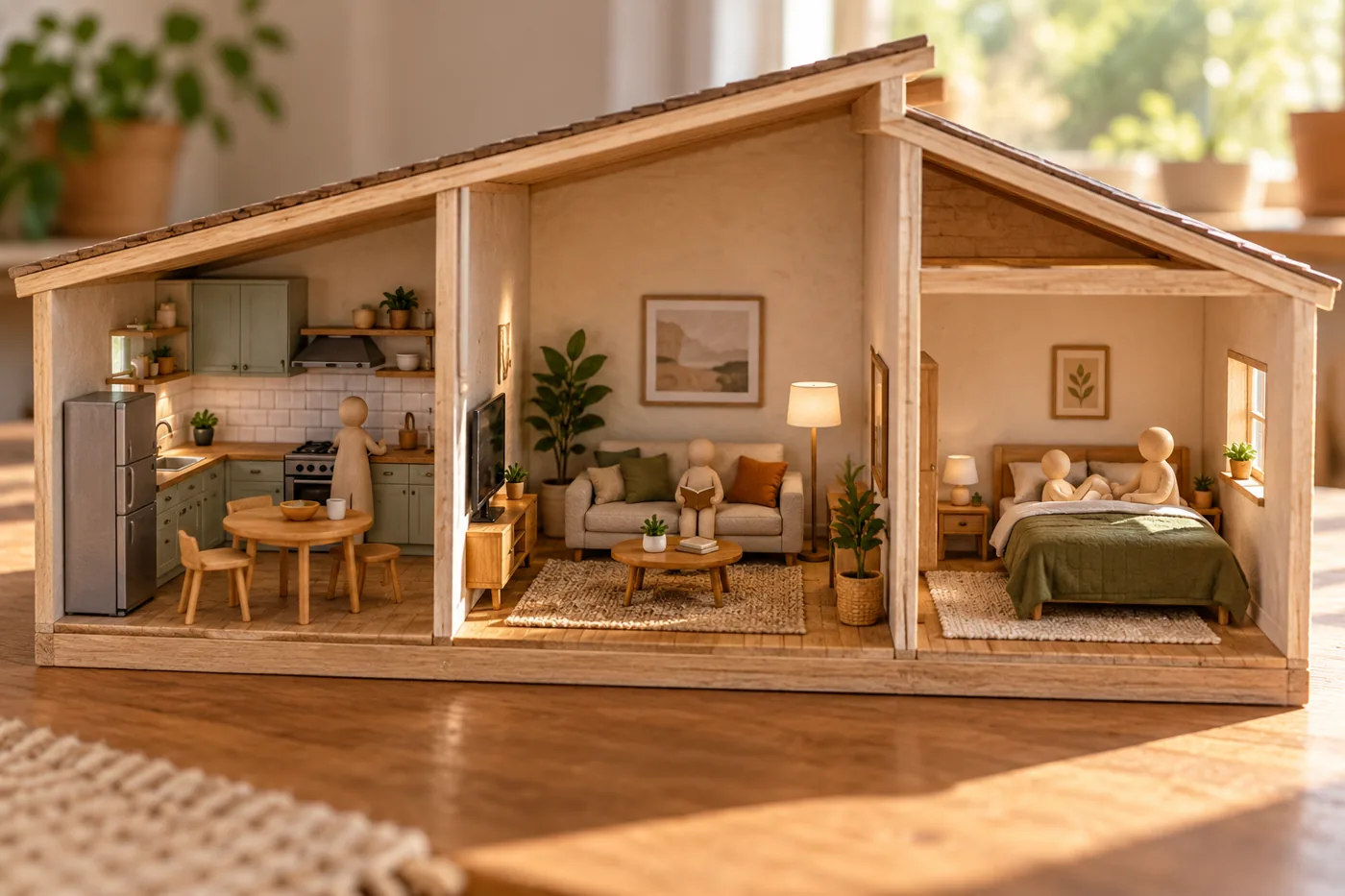
Generated interpretation, not documentary evidence. Reused original physical dollhouse metaphor with wooden figures, not The Sims footage or an ethnographic model of every household.
Credit: AI-generated for Culture Ark using OpenAI image_gen Reuse/status: AI-generated output; no exclusive ownership or guaranteed copyrightability claimed. Underlying works, marks and cultural permissions remain separate. Reused original physical dollhouse metaphor with wooden figures, not The Sims footage or an ethnographic model of every household. This entry focuses on the original 2000 game, not features added in later installments. Publisher claims about universal appeal are promotional rather than demographic evidence. Simlish and game assets retain their separate rights; the physical dollhouse illustration neither reproduces a game household nor demonstrates the software running.
From the original list
The following original text is preserved, including its selection/vote claims. Preservation is not independent verification of every assertion.
Why: A virtual dollhouse life simulator.
What to preserve: Game, Simlish
Year and origin: 2000 · United States
Vote: 6/9 (historian 2 · future kid 2 · curator 2)
Learn more: The Sims (video game) on Wikipedia
Supplemental context
The Sims makes ordinary routines and domestic arrangements into material for play. Electronic Arts' tenth-anniversary release identifies February 4, 2000 as the original game's debut and distinguishes it from the sequels and expansions that followed. Its discussion of player creativity helps explain why this selection is more than a fixed authored story: players organize spaces and interpret the lives that unfold within them. For future readers, the game offers a way to ask which assumptions about work, consumption, relationships and housing a simulation makes visible. Those assumptions are designed possibilities, not a neutral model of how all humans lived.
Creator/community: Maxis and Electronic Arts; players constructing and sharing simulated households Place/era: United States; original The Sims released February 4, 2000
Context and limits
This entry focuses on the original 2000 game, not features added in later installments. Publisher claims about universal appeal are promotional rather than demographic evidence. Simlish and game assets retain their separate rights; the physical dollhouse illustration neither reproduces a game household nor demonstrates the software running.
Where to learn more
- https://apiarybee.com/community/reading/biggie-nu-series-008-noahs-ark-set-d-culture-2000
- https://news.ea.com/press-releases/press-releases-details/2010/EAs-Groundbreaking-Franchise-The-Sims-Turns-Ten/default.aspx
Apiary library | Original Culture Ark article
Public ID and individual routes: pending publisher allocation. Internal source ID: D-0513
Part of the Culture Ark: 2,000 things people should still be able to see in 2,000 years, picked by AI research teams. This page keeps the original list entry for D-0513 word for word and adds context. Browse the gallery. The Culture Ark is an Artificial Mind Hive (AMH) project. AMH is owned by Austin Little.

Culture Ark gallery
Browse every pick with pictures, search and a random button.
Open the gallery →