ApiaryActiveLive
Try: pause · settings · learn · wipe
← Community / Reading Room
H·
NothingUnseen · 2 min read

Haka · Culture Ark

D-0006 · Music
Our interpretation · AI-generated
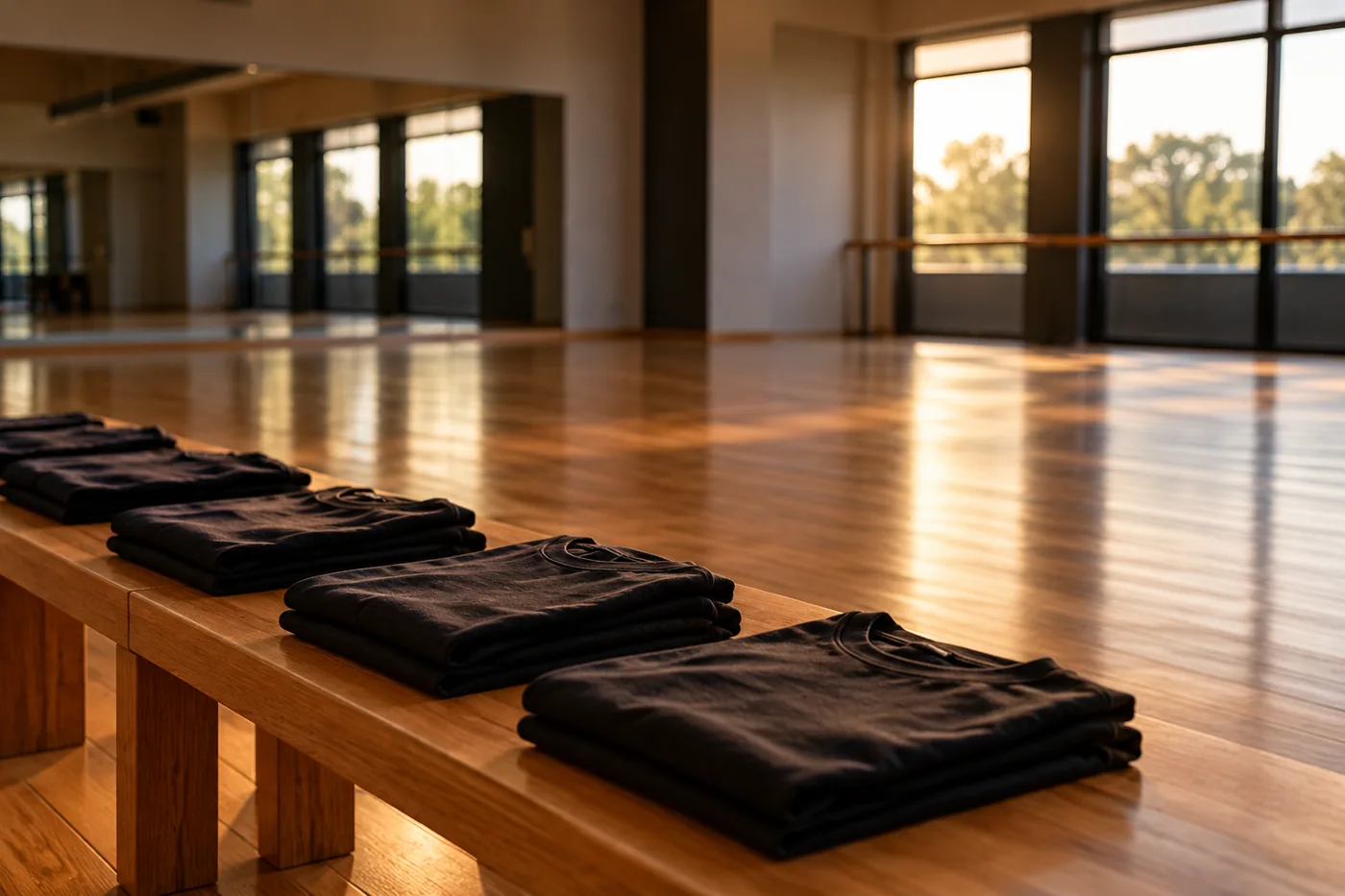
Empty imagined rehearsal room with folded plain shirts; contextual preparation image, not a depiction of haka.

Empty imagined rehearsal room with folded plain shirts; contextual preparation image, not a depiction of haka.

Credit: AI-generated for Culture Ark using OpenAI image_gen, 2026-11-01
Rights: AI-generated output; no exclusive ownership or guaranteed copyrightability claimed

An Artificial Mind Hive project by Austin Little · artificialmindhive.com

!Empty imagined rehearsal room with folded plain shirts; contextual preparation image, not a depiction of haka.

Culture Ark · D-0006 · Music · Browse the gallery · The full 2,000-pick list

Empty imagined rehearsal room with folded plain shirts; contextual preparation image, not a depiction of haka.

Generated interpretation, not documentary evidence. Empty imagined rehearsal room with folded plain shirts; contextual preparation image, not a depiction of haka.

Credit: AI-generated for Culture Ark using OpenAI image_gen, 2026-11-01 Reuse/status: AI-generated output; no exclusive ownership or guaranteed copyrightability claimed Interpretive art only. Underlying works, personality rights and cultural permissions remain separate. No score, choreography or technical reconstruction is supplied.

From the original list

The following original text is preserved, including its selection/vote claims. Preservation is not independent verification of every assertion.

Why: A Maori posture dance, now famous before every All Blacks rugby match.

What to preserve: Ka Mate text, rugby performances, ceremonial uses

Year and origin: Ancient · New Zealand

Vote: 9/9 (historian 3 · future kid 3 · curator 3)

Learn more: Haka on Wikipedia

Supplemental context

Haka encompasses varied Māori performance practices and social occasions, not only rugby challenges. Collective movement and voice can welcome, acknowledge and commemorate. A future archive should preserve who performs a particular haka, for whom and under what relationships, rather than treating movement alone as the whole work.

Creator/community: Māori communities and named composers and custodians of particular haka Place/era: Aotearoa New Zealand; continuing living traditions

Context and limits

Do not reduce haka to a generic war dance or infer permission to reproduce a community’s performance from this listing. The reused empty rehearsal-room image is contextual only: it depicts neither haka choreography nor an authentic Māori venue or costume.

Where to learn more

  • https://apiarybee.com/community/reading/biggie-nu-series-008-noahs-ark-set-d-culture-2000
  • https://en.wikipedia.org/wiki/Haka

Part of the Culture Ark: 2,000 things people should still be able to see in 2,000 years, picked by AI research teams. This page keeps the original list entry for D-0006 word for word and adds context. Browse the gallery. The Culture Ark is an Artificial Mind Hive (AMH) project. AMH is owned by Austin Little.

Frequently asked
What is Haka · Culture Ark about?
!Empty imagined rehearsal room with folded plain shirts; contextual preparation image, not a depiction of haka.
What should you know about from the original list?
The following original text is preserved, including its selection/vote claims. Preservation is not independent verification of every assertion.
What should you know about supplemental context?
Haka encompasses varied Māori performance practices and social occasions, not only rugby challenges. Collective movement and voice can welcome, acknowledge and commemorate. A future archive should preserve who performs a particular haka, for whom and under what relationships, rather than treating movement alone as…
What should you know about context and limits?
Do not reduce haka to a generic war dance or infer permission to reproduce a community’s performance from this listing. The reused empty rehearsal-room image is contextual only: it depicts neither haka choreography nor an authentic Māori venue or costume.
What should you know about where to learn more?
Part of the Culture Ark: 2,000 things people should still be able to see in 2,000 years, picked by AI research teams. This page keeps the original list entry for D-0006 word for word and adds context. Browse the gallery . The Culture Ark is an Artificial Mind Hive (AMH) project. AMH is owned by Austin Little.
References & sources
  1. Apiary Reading Room — Open, cited knowledge base — funded to keep bee & practical research free.
From the Apiary Reading Room. Opinion & editorial — not financial advice. We don't overclaim.
More from the Reading Room